

China's Feeding System: Revolutionizing Food Production
2026-04-08
In the heart of China's agricultural evolution, a transformative shift is underway in the feeding system, poised to redefine global food production. This blog explores how innovative technologies and practices are driving this revolution, ensuring sustainability and efficiency. A key player in this movement is Fanchang Machinery, leading the charge with cutting-edge solutions. Join us as we uncover the secrets behind this feeding system and its impact on our future plates.
Innovations in Agri-Tech: Boosting Crop Yields and Sustainability
In recent years, the agricultural sector has witnessed a surge in technological advancements that are transforming traditional farming methods. Innovations such as precision agriculture, enabled by GPS and IoT sensors, allow farmers to monitor soil conditions, moisture levels, and crop health in real-time. This data-driven approach minimizes waste, reduces the need for chemical inputs, and optimizes resource use, leading to significant increases in crop yields while promoting environmental stewardship. By integrating these smart systems, agriculture is becoming more efficient and resilient in the face of climate challenges.
Another groundbreaking innovation is the development of drought-resistant and pest-tolerant crop varieties through genetic engineering and CRISPR technology. These engineered plants can thrive in harsh conditions, reducing reliance on water-intensive irrigation and chemical pesticides. This not only boosts yields in areas prone to extreme weather but also enhances sustainability by lowering the ecological footprint of farming. As a result, farmers can produce more food with fewer resources, contributing to global food security and conservation efforts.
Furthermore, the integration of renewable energy sources, such as solar-powered irrigation systems and bioenergy from agricultural waste, is revolutionizing farm operations. These green technologies cut down on fossil fuel dependency, reduce greenhouse gas emissions, and lower operational costs. Combined with vertical farming and hydroponics in urban settings, these methods enable year-round production close to consumers, minimizing transportation emissions and waste. Together, these innovations are paving the way for a more sustainable and productive agricultural future.
Smart Farming Solutions: IoT and Automation in Chinese Agriculture
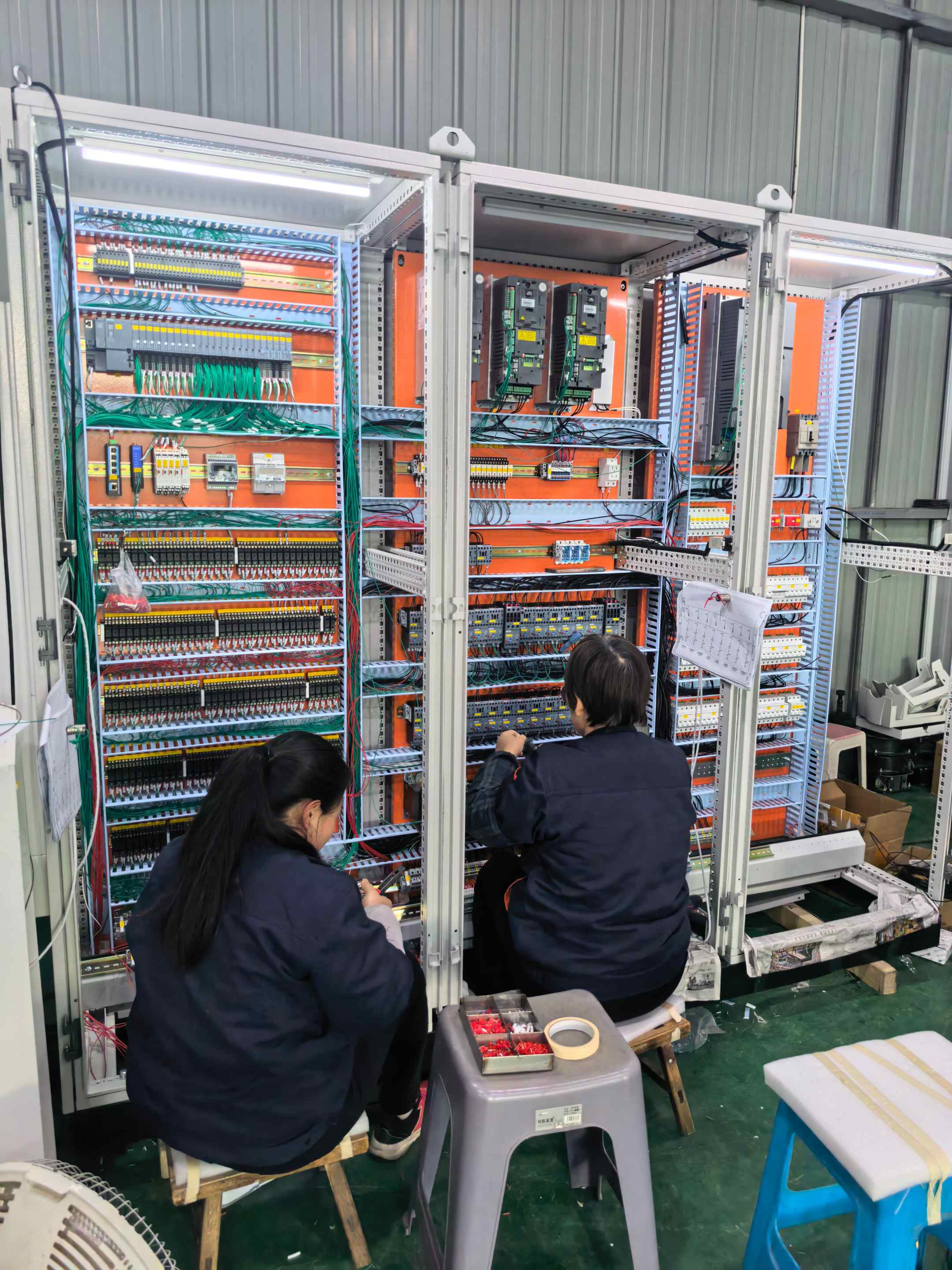
In the vast fields of China, the adoption of smart farming technologies is revolutionizing agricultural practices. IoT devices, such as soil moisture sensors and weather stations, are providing real-time data that helps farmers make informed decisions about irrigation and fertilization. This shift towards precision agriculture isn't just about efficiency; it's enabling growers to predict crop yields more accurately and reduce environmental impacts, like minimizing water waste in drought-prone regions.
Automation plays a complementary role, with drones monitoring crop health from above and robotic harvesters handling labor-intensive tasks. In provinces like Jiangsu and Shandong, these innovations are particularly noticeable, where large-scale operations integrate IoT networks to optimize everything from planting to pest control. The synergy between automation and IoT allows for a seamless workflow, reducing human error and operational costs, while enhancing food security as China's population grows.
Beyond the obvious benefits, this technological push is fostering a new generation of tech-savvy farmers who leverage mobile apps and cloud platforms to manage their farms remotely. As China continues to invest in rural digital infrastructure, the fusion of IoT and automation is poised to set a global benchmark, showcasing how ancient farming traditions can evolve with modern tech to meet the demands of a changing world.
Supply Chain Modernization: From Farm to Table Efficiency
Picture the journey of a humble tomato, from a sun-drenched field to your kitchen counter, and you'll glimpse the complex web that defines our food supply chain. Modernization is transforming this intricate dance into a seamless, responsive system that prioritizes freshness and accessibility. By integrating real-time tracking and AI-driven logistics, we're cutting down spoilage and ensuring that produce arrives at its peak, all while minimizing the environmental footprint every step of the way. It's about making the invisible journey visible, so we can all savor the taste of innovation.
At the heart of this evolution lies a shift from linear processes to dynamic, interconnected networks. Traditional supply chains often operated in silos, with farmers, distributors, and retailers working independently, leading to inefficiencies like overstocking or shortages. Now, collaborative platforms allow stakeholders to share data and anticipate demand, enabling just-in-time deliveries that reduce waste and costs. This isn't just a tech upgrade; it's a cultural change that fosters transparency and trust, empowering consumers to make informed choices about their food sources.
Looking ahead, the push for from-farm-to-table efficiency is reshaping how we think about sustainability and resilience. Innovations like blockchain for traceability and IoT sensors in transportation are not mere buzzwords but practical tools that enhance accountability and adapt to disruptions, from weather events to global crises. By embracing these advancements, we're not only streamlining operations but also building a food system that's more equitable and responsive, where every meal tells a story of progress and care.
Urban Agriculture and Vertical Farming: Adapting to Population Growth
As cities swell with more residents each year, urban agriculture offers a fresh take on local food production. Rather than relying solely on distant rural farms, communities are transforming rooftops, vacant lots, and even indoor spaces into productive green zones. Vertical farming takes this concept a step further by stacking crops in controlled environments, using hydroponics or aeroponics to grow food without soil. This approach not only maximizes limited urban space but also reduces transportation costs and carbon emissions, making cities more self-sufficient and resilient in the face of rising populations.
What sets vertical farming apart is its ability to produce food year-round, regardless of weather conditions or seasonal changes. By leveraging technologies like LED lighting and climate control, these systems create optimal growing conditions for a variety of crops, from leafy greens to herbs and small fruits. This reliability is crucial as global food demands increase, providing a steady supply of fresh produce to urban areas. Moreover, vertical farms often use significantly less water than traditional agriculture, addressing another pressing issue in densely populated regions where resources are scarce.
Beyond just feeding people, urban agriculture fosters community engagement and education, turning food deserts into vibrant hubs of activity. It encourages residents to reconnect with their food sources, promoting healthier lifestyles and environmental awareness. In practice, cities like Singapore and Tokyo have pioneered these methods, showing how vertical farming can thrive even in the most crowded metropolises. As populations continue to grow, embracing such innovative solutions will be key to building sustainable, food-secure urban futures without compromising on quality or accessibility.
Government Policies and Investments: Driving Agricultural Transformation
In recent years, governments across the globe have recognized that targeted policies and strategic investments are essential for catalyzing profound changes in agriculture. Beyond merely addressing immediate needs like food security, these initiatives are reshaping entire farming landscapes by promoting sustainable practices, enhancing technology adoption, and bolstering rural economies. For instance, subsidies for precision irrigation systems or grants for organic certification programs don't just boost yields; they empower farmers to adapt to climate challenges while reducing environmental footprints, creating a more resilient agricultural sector that benefits both producers and consumers alike.
What sets apart effective agricultural transformation is the nuanced approach governments are taking—moving away from one-size-fits-all solutions to tailored interventions. By collaborating with local communities and leveraging data analytics, policies can be fine-tuned to address specific regional challenges, such as soil degradation in arid areas or pest outbreaks in tropical zones. Investments in infrastructure, like improved storage facilities and digital market platforms, further amplify these efforts by reducing post-harvest losses and connecting farmers directly to broader markets. This dynamic interplay between policy foresight and financial backing is not just driving incremental improvements but fostering innovation and long-term competitiveness in the agricultural value chain.
Ultimately, the success of these endeavors hinges on continuous evaluation and adaptive management. Governments are increasingly adopting feedback mechanisms to assess policy impacts, ensuring that investments yield tangible outcomes like increased farmer incomes or enhanced biodiversity. Stories from regions where integrated water management policies have revived once-barren lands highlight how strategic interventions can transform agriculture into a thriving, future-ready industry. It's this blend of visionary governance and committed funding that is truly redefining what it means to cultivate progress in the 21st century.
Global Impact: China's Food Production Advances on the World Stage
China has emerged as a pivotal force in global food production, with its agricultural sector undergoing transformative advancements that resonate far beyond its borders. Leveraging innovations in crop breeding and precision farming, the nation is not only boosting domestic yields but also contributing to international food security, often through strategic partnerships and sustainable practices that set new standards worldwide.
From high-tech greenhouses in Shandong to smart irrigation systems in Xinjiang, China's integration of technology into agriculture is reshaping how food is grown and distributed globally. This progress enables the country to play a key role in stabilizing supply chains, especially during times of global uncertainty, while addressing challenges like climate change and resource scarcity with solutions that inspire other nations.
Moreover, China's influence extends through its active participation in global agricultural forums and agreements, fostering collaborations that enhance production efficiency and trade flows. By sharing knowledge and resources, it helps bridge gaps in food availability and promotes a more resilient and interconnected global food system, marking a significant step forward on the world stage.
FAQ
Innovations like precision farming and AI-driven crop monitoring have significantly increased efficiency and yields, making China a global leader in sustainable food production.
Drones, IoT sensors, and automated machinery are widely used to optimize irrigation, reduce waste, and enhance crop health across vast agricultural regions.
Biotech applications, including genetically modified crops and advanced breeding techniques, help develop resilient varieties that thrive in diverse climates and soil conditions.
Through vertical farming, water-saving technologies, and climate-smart agriculture, China is adapting to environmental pressures while maintaining food security.
It has created new job opportunities, boosted incomes, and improved living standards by integrating farmers into high-tech supply chains and value-added markets.
The 'Smart Agriculture' project uses big data and blockchain to track food from farm to table, ensuring transparency, safety, and reducing spoilage.
Unlike conventional techniques reliant on manual labor, China's system emphasizes data-driven decisions and automation, leading to higher productivity and fewer environmental footprints.
Predictions include wider adoption of lab-grown meat, expansion of urban farming, and increased use of renewable energy to power agricultural operations, aiming for a carbon-neutral food sector.
Conclusion
China's feeding system is undergoing a revolutionary transformation, driven by innovations in agri-tech that boost crop yields and sustainability. Smart farming solutions, such as IoT and automation, are increasingly integrated into Chinese agriculture, enabling precision farming and resource optimization. Concurrently, supply chain modernization enhances efficiency from farm to table, reducing waste and improving food safety. These technological advances, coupled with urban agriculture and vertical farming, help adapt to rapid population growth and urbanization, ensuring food security in dense areas.
Government policies and strategic investments play a crucial role in driving this agricultural transformation, providing support for research, infrastructure, and widespread adoption of new technologies. As a result, China's food production advances are making a significant global impact, positioning the country as a leader in agricultural innovation on the world stage. This holistic approach not only addresses domestic needs but also contributes to global food sustainability, showcasing China's commitment to revolutionizing food systems through a blend of tech-driven solutions and strategic planning.
Contact Us
Contact Person: Darye WANG
Email: [email protected]
Tel/WhatsApp: 86-13501017897
Website: https://www.fcntd.com/