
Complete Rolling Mill Lines: Essential Solutions for Modern Metal Processing
2026-03-11
In the fast-paced world of modern metal processing, efficiency, precision, and reliability are non-negotiable. As industries evolve, the demand for advanced rolling mill solutions has never been higher. At GRM, we specialize in delivering complete rolling mill lines that are engineered to meet these exacting standards. From initial design to seamless integration, our systems provide essential tools for manufacturers aiming to optimize production and stay ahead of the curve. Dive into this blog to explore how our innovative technologies can transform your operations—whether you're streamlining steel production or enhancing non-ferrous metal processing. Let's uncover the secrets to achieving superior results in today's competitive landscape.
Rolling Mill Innovations for High-Quality Metal Production
In the competitive landscape of metal production, rolling mills have evolved beyond simple machinery to become sophisticated systems driving quality and efficiency. Recent advancements, such as the integration of AI-driven predictive maintenance and real-time data analytics, allow operators to monitor and adjust processes with unprecedented precision. This not only minimizes downtime and defects but also ensures that the final product meets exacting standards for strength, uniformity, and surface finish, making these innovations crucial for industries like automotive and aerospace that demand flawless materials.
Another key innovation lies in the development of specialized rolling techniques, like cross-rolling and asymmetric rolling, which enhance the mechanical properties of metals by refining their microstructures. These methods go beyond traditional approaches by controlling deformation paths more accurately, resulting in metals with superior ductility, reduced residual stresses, and improved fatigue resistance. As manufacturers push for lighter, stronger materials, such techniques are proving indispensable for producing high-quality alloys that can withstand extreme conditions without compromising performance.
Beyond technological tweaks, sustainability-driven innovations are reshaping rolling mills, with systems designed to reduce energy consumption and waste. For instance, the adoption of advanced cooling technologies and eco-friendly lubricants not only lowers operational costs but also aligns with global environmental goals. By focusing on greener practices, these mills not only boost product quality through cleaner processes but also position themselves as leaders in a market increasingly valuing both excellence and responsibility.
Advanced Automation and Control Systems in Rolling Mills
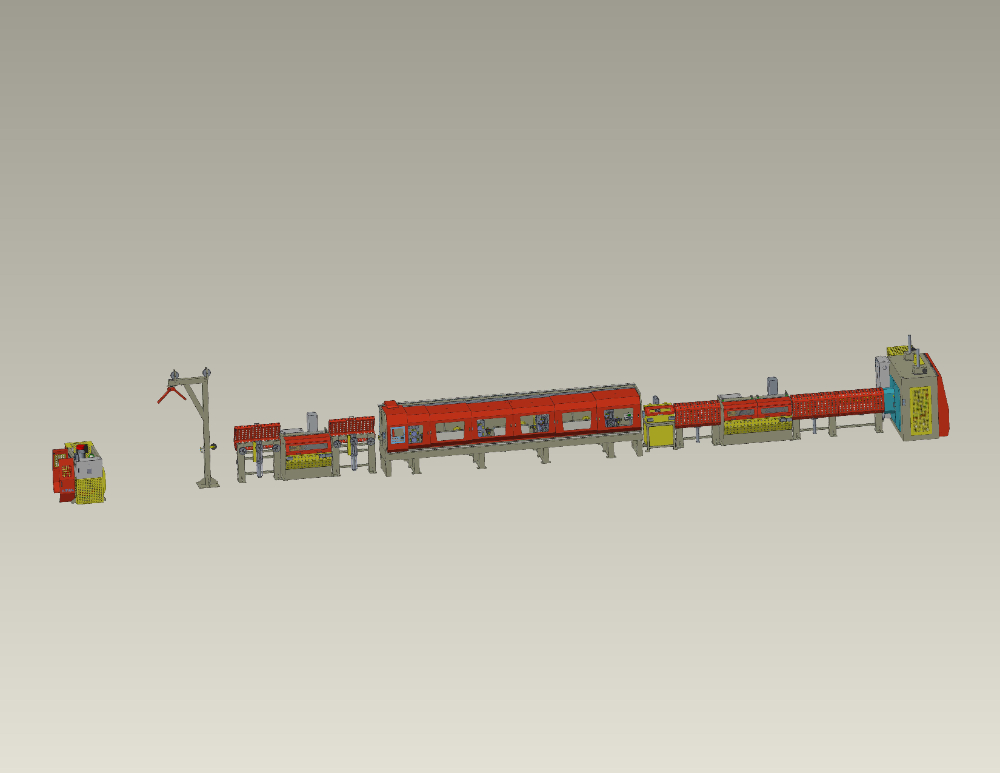
In the heart of modern steel production, rolling mills have evolved significantly, driven by sophisticated automation and control systems that ensure precision and efficiency where it matters most. These systems seamlessly integrate real-time data from sensors and cameras along the mill line, enabling operators to monitor variables like temperature, pressure, and product dimensions with unprecedented accuracy. By leveraging advanced algorithms and machine learning, mills can dynamically adjust roll speeds, cooling rates, and other parameters on the fly, minimizing waste and enhancing product quality. This isn't just about automation; it's about intelligent adaptation, where the system learns from each pass to optimize future operations, creating a more resilient and responsive manufacturing environment.
Beyond basic control, these systems incorporate predictive maintenance features that analyze equipment performance trends to forecast potential failures before they occur. This proactive approach reduces unplanned downtime significantly, as maintenance teams receive alerts and can schedule repairs during planned intervals, keeping the mill running smoothly. Integration with enterprise resource planning (ERP) systems allows for better synchronization between production schedules and material flows, ensuring that orders are met on time while optimizing energy consumption. The result is a streamlined process where every component, from the entry reheat furnace to the final coiling station, works in harmony, driven by a centralized control unit that acts as the mill's digital brain.
Looking ahead, the adoption of Internet of Things (IoT) technologies is pushing boundaries further, connecting disparate systems into a cohesive network that enhances visibility and decision-making. In rolling mills, this means edge computing devices can process data locally for faster responses, while cloud platforms store historical information for in-depth analysis and continuous improvement. Such advancements not only boost throughput and reduce operational costs but also open doors to customizing production runs for niche markets, where flexibility is key. Ultimately, advanced automation isn't just replacing manual tasks; it's empowering human operators with better tools, fostering a collaborative environment where technology and expertise converge to set new standards in steel manufacturing.
Energy-Efficient Solutions for Modern Metal Processing Lines
In today's metal processing sector, energy efficiency has shifted from a minor consideration to a core driver of operational success. Manufacturers are increasingly adopting innovative technologies, such as advanced heat recovery systems that capture waste heat from furnaces and reuse it for preheating incoming materials, significantly reducing overall energy consumption. This not only cuts costs but also aligns with global sustainability goals, making operations more resilient in fluctuating energy markets. By integrating smart monitoring tools, plants can now track energy usage in real-time, identifying inefficiencies and optimizing processes on the fly, leading to substantial savings without compromising output quality.
Another key approach involves the deployment of high-efficiency motors and variable frequency drives (VFDs) in machinery like rolling mills and presses. These components adjust power output based on actual demand, eliminating the energy waste associated with constant-speed operations. Coupled with lightweight materials and optimized design in equipment, such as using advanced alloys that require less energy to process, these solutions enhance throughput while lowering the environmental footprint. Case studies from leading facilities show that implementing these upgrades can slash energy bills by up to 30%, providing a competitive edge in cost-sensitive industries.
Looking ahead, the integration of renewable energy sources, such as solar panels or wind turbines, into metal processing lines is gaining traction. This not only reduces reliance on conventional grid power but also creates a more self-sufficient and eco-friendly operation. By combining these strategies with employee training on energy conservation practices, companies can foster a culture of efficiency that permeates every aspect of production, ensuring long-term viability and innovation in the face of evolving regulatory and market pressures.
Customizable Rolling Mill Setups for Diverse Industrial Needs
Every industrial project comes with its own set of challenges, from processing different metals to meeting specific production speeds. A customizable rolling mill setup adapts to these unique requirements, allowing manufacturers to fine-tune parameters like roll diameter, material thickness, and cooling systems. This flexibility ensures that whether you're working with copper wire or steel sheets, the mill performs efficiently without one-size-fits-all compromises.
Consider how industries such as aerospace or automotive demand precision in material strength and finish. With tailored configurations, you can integrate features like automated tension controls or specialized lubrication, reducing waste and enhancing product consistency. It’s not just about adjusting settings; it’s about designing a system that evolves with your production line, supporting everything from small-batch prototypes to high-volume runs.
Beyond technical specs, a modular approach lets you scale operations seamlessly, adding components as needs grow. This adaptability translates to lower long-term costs and reduced downtime, making it a smart investment for facilities aiming to stay competitive in fast-changing markets. By prioritizing customization, manufacturers gain a tool that truly aligns with their workflow, rather than forcing adaptation to rigid machinery.
Enhancing Productivity with Integrated Rolling Mill Technologies
Integrated rolling mill technologies are transforming metal production by seamlessly combining processes that were once managed separately. By linking functions like heating, rolling, and cooling into a single automated system, these innovations significantly reduce downtime and enhance operational efficiency. For example, real-time data analytics allow operators to monitor equipment performance and predict maintenance needs, preventing unexpected breakdowns that used to stall production lines. This integration not only speeds up output but also improves product consistency, as the entire workflow can be fine-tuned for precise control over material properties.
One standout aspect of these technologies is their adaptability to various materials and production scales, from large-scale steel mills to specialized aluminum plants. Modern integrated systems incorporate advanced sensors and AI-driven algorithms that optimize rolling parameters on the fly, adjusting for factors like temperature fluctuations or material thickness variations without human intervention. This flexibility enables manufacturers to respond quickly to market demands, producing higher-quality metals with less waste and energy consumption. In practice, companies adopting such integrated setups often report productivity gains of over 20%, alongside notable reductions in labor costs and environmental impact.
Beyond immediate efficiency boosts, integrated rolling mill technologies pave the way for smarter, more sustainable manufacturing in the long term. By centralizing control and data management, these systems provide valuable insights that drive continuous improvement in production methods. They support just-in-time manufacturing models, allowing for quicker turnaround on custom orders and better inventory management. As industries face increasing pressure to lower carbon footprints, these integrated approaches are becoming essential, offering a competitive edge through enhanced productivity and product reliability that sets leaders apart from traditional setups.
Future Trends in Rolling Mill Design and Operation
Rolling mills are entering an era where sustainability and smart technologies converge. We're seeing a shift toward energy-efficient designs that harness renewable power, such as solar or wind, to slash operational costs and carbon footprints. Advanced sensors and AI-driven analytics are being integrated to predict maintenance needs in real-time, preventing costly downtimes and extending equipment life. This isn't just about upgrading machinery—it's about creating mills that self-optimize, adapt to market demands, and minimize waste, all while meeting stringent environmental regulations.
Another exciting trend is the move toward digital twin technology, which creates virtual replicas of physical mills. This allows operators to simulate production scenarios, test new materials, and fine-tune processes without disrupting actual operations. Coupled with IoT connectivity, these digital twins provide a holistic view of the entire production chain, enabling seamless coordination between different mill sections. The result? Faster innovation cycles, reduced trial-and-error, and a more agile response to shifts in consumer preferences or raw material availability.
Looking ahead, we can expect a greater emphasis on modular and flexible designs that support rapid reconfiguration for custom or small-batch production. This trend is driven by industries like aerospace and automotive, which demand high-precision, tailored components. By incorporating robotics and automation, mills can achieve unprecedented levels of precision and repeatability, while also enhancing worker safety. Ultimately, the future of rolling mills lies in blending cutting-edge tech with human expertise to build resilient, eco-friendly, and highly adaptive manufacturing systems that thrive in a competitive global market.
FAQ
It's primarily used to transform raw metal ingots or billets into thinner, more uniform sheets or strips through rolling, essential for industries like automotive, construction, and appliances.
A complete line integrates multiple stages like reheating, roughing, finishing, cooling, and coiling into one seamless system, boosting efficiency and product uniformity compared to piecemeal setups.
Core parts include a furnace for heating, roughing and finishing mills, cooling beds, shears for cutting, and coiling units, all controlled by advanced automation systems.
Automation enhances precision, reduces human error, and allows real-time monitoring for better quality control, faster production rates, and lower operational costs.
They handle a variety of metals, such as steel, aluminum, copper, and alloys, tailored to specific grades and thickness requirements.
By optimizing energy use, minimizing waste through precise control, and enabling recycling of scrap metal, these lines support greener manufacturing practices.
Consider production capacity, material types, desired output quality, space availability, and budget, along with supplier expertise and after-sales support.
Conclusion
In today's dynamic metal processing landscape, complete rolling mill lines have emerged as indispensable solutions for achieving high-quality metal production. These integrated systems incorporate cutting-edge innovations that enhance precision and consistency in metal forming, while advanced automation and control systems provide seamless operation and real-time monitoring. By leveraging these technologies, manufacturers can optimize their processes to meet stringent industry standards and deliver superior finished products.
Modern rolling mill setups are designed with flexibility and sustainability in mind, offering customizable configurations tailored to diverse industrial needs. Energy-efficient solutions reduce operational costs and environmental impact, supporting greener manufacturing practices. Integrated technologies further boost productivity by streamlining workflows and minimizing downtime. Looking ahead, future trends in rolling mill design will continue to focus on smarter, more adaptive systems that drive innovation and efficiency, ensuring these lines remain vital assets for metal processing in an ever-evolving market.
Contact Us
Contact Person: Rayna
Email: [email protected]
Tel/WhatsApp: 86 -173 1474 6343
Website: https://www.grmrollingmill.com/