
Shredder Fabrication Techniques: Innovative Methods and Best Practices in Industrial Manufacturing
2026-04-09
In the dynamic landscape of industrial manufacturing, innovation is the key to staying ahead. Today, we delve into the world of shredder fabrication techniques, exploring cutting-edge methods and best practices that are revolutionizing how materials are processed. From advanced material selection to precision engineering, these techniques not only enhance efficiency but also drive sustainability in waste management. As you navigate through this blog, you'll discover insights that could transform your operations. A prime example of excellence in this field is Shengzhong Shredder, a brand renowned for pushing the boundaries of what's possible. Let’s uncover the secrets behind superior shredder performance and why it matters more than ever in today's industrial era.
Advanced Material Selection for Enhanced Shredder Durability
When it comes to boosting shredder durability, the choice of materials isn't just about picking the toughest stuff off the shelf. It's a strategic game of understanding how different components face unique stresses—like blades cutting through metal scraps or gears handling high torque. By opting for advanced alloys, such as hardened steel or tungsten carbide, you're not merely adding strength; you're tailoring the material to specific wear patterns, which can drastically reduce maintenance cycles and extend the machine's lifespan in demanding environments.
What sets this approach apart is the shift from one-size-fits-all solutions to a more nuanced, performance-driven mindset. Imagine a shredder where the housing is crafted from reinforced polymer composites to dampen vibrations, while critical moving parts are forged from high-grade stainless steel to resist corrosion and fatigue. This hybrid strategy ensures that each element operates at its peak, preventing premature failures that often plague less thoughtful designs and delivering a smoother, more reliable shredding experience over time.
In practice, enhanced durability through advanced material selection translates into tangible benefits like lower operational costs and increased uptime. By investing in these tailored materials, users can expect fewer breakdowns and longer intervals between replacements, making the shredder a more sustainable and cost-effective tool in industrial or commercial settings. It's this blend of innovation and practicality that truly elevates durability beyond mere toughness.
Customizable Design Options Tailored to Specific Industrial Needs
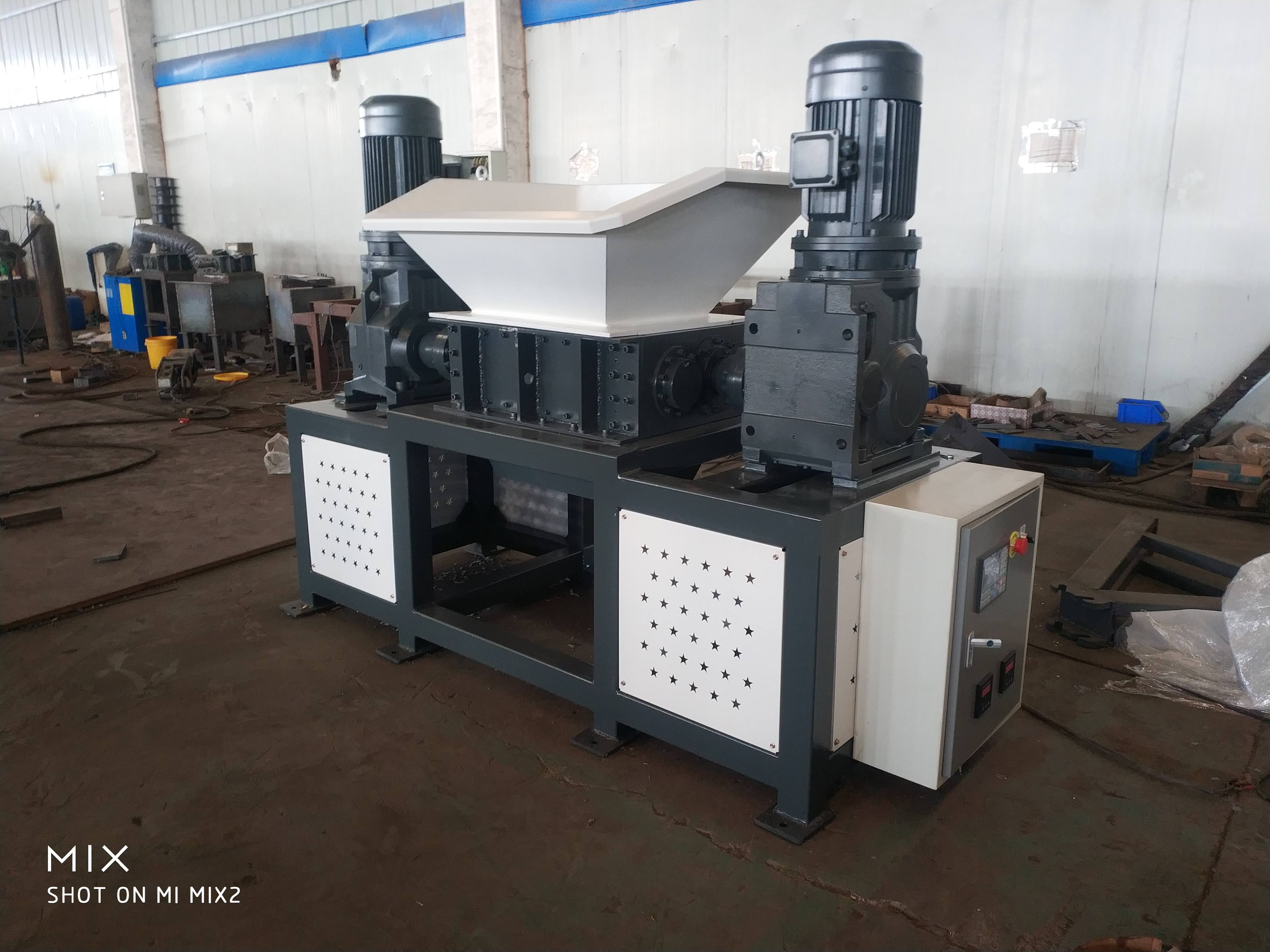
When diving into the world of industrial solutions, it's essential to recognize that no two processes are identical, demanding a flexible approach that can adapt on the fly. Customizable design options empower businesses to fine-tune every detail, whether it's adjusting machinery dimensions, integrating specialized materials, or optimizing workflow parameters, ensuring that the final product aligns perfectly with unique operational challenges. This bespoke strategy not only boosts efficiency but also enhances durability and performance, allowing companies to stay competitive without the one-size-fits-all compromises that often hinder progress in fast-paced sectors.
Take a closer look at how these tailored options play out in real-world scenarios: imagine a manufacturer dealing with harsh environmental conditions or stringent safety regulations. By collaborating closely with designers, they can implement custom features like corrosion-resistant coatings, automated safety shut-offs, or modular components that simplify maintenance. Such personalization goes beyond mere adjustments, fostering innovation by encouraging creative problem-solving that directly addresses specific pain points, turning potential obstacles into opportunities for growth and reliability in demanding industrial landscapes.
Ultimately, the beauty of customizable designs lies in their ability to evolve alongside your business needs, offering a future-proof solution that scales as operations expand or shift. From retrofitting existing systems to launching entirely new projects, this tailored approach ensures that investments yield long-term value, minimizing waste and maximizing return on investment. By prioritizing specificity over standardization, industries can harness cutting-edge technology in a way that feels intuitive and impactful, driving success through a deep understanding of what truly makes each application tick.
Eco-Friendly Manufacturing Processes Reducing Environmental Impact
In today's rapidly evolving industrial landscape, eco-friendly manufacturing processes are at the forefront of efforts to mitigate environmental harm. By integrating sustainable practices, companies are not only reducing their carbon footprints but also enhancing operational efficiency and fostering long-term resilience. Innovations such as closed-loop systems, which recycle waste materials back into production, are gaining traction, minimizing landfill contributions and conserving natural resources. This shift towards greener methodologies reflects a growing commitment to balancing economic growth with ecological stewardship, setting new standards for responsible industry practices worldwide.
Adopting environmentally conscious manufacturing often involves the strategic use of renewable energy sources like solar or wind power, significantly cutting down greenhouse gas emissions associated with traditional energy consumption. Additionally, the implementation of water-saving technologies and non-toxic materials in production lines helps prevent pollution and protect local ecosystems. These changes are driven by a mix of regulatory pressures and consumer demand for sustainable products, pushing manufacturers to rethink their supply chains and invest in cleaner alternatives that prioritize planetary health over short-term gains.
Beyond technological advancements, eco-friendly manufacturing emphasizes a holistic approach that includes employee training and community engagement to embed sustainability into corporate culture. By fostering transparency and accountability, companies can build trust with stakeholders and inspire broader industry shifts. As these processes become more mainstream, they demonstrate that reducing environmental impact is not only feasible but also profitable, paving the way for a future where business success and environmental preservation go hand in hand.
Integration of Smart Technologies for Real-Time Performance Monitoring
In today's fast-paced business environments, integrating smart technologies has become crucial for achieving real-time performance monitoring, enabling organizations to make data-driven decisions instantly. By leveraging IoT sensors, cloud computing, and analytics platforms, companies can capture and process vast amounts of operational data as events unfold, identifying inefficiencies or anomalies before they escalate into costly issues. This proactive approach not only optimizes resource allocation but also enhances transparency across teams, fostering a culture of continuous improvement based on live feedback rather than outdated reports.
What sets apart modern implementations is the seamless blend of machine learning algorithms with these technologies, which allows systems to adapt and learn from incoming data streams in real time. For instance, in manufacturing, predictive maintenance models powered by AI can forecast equipment failures by analyzing sensor inputs, reducing downtime and maintenance costs. This dynamic integration goes beyond simple monitoring to offer actionable insights, turning raw data into strategic assets that empower employees to respond swiftly to changing conditions, ultimately driving operational resilience and competitive edge.
Furthermore, the adoption of edge computing in this context minimizes latency and ensures robust performance monitoring even in remote or bandwidth-constrained settings. By processing data closer to the source, businesses gain immediate oversight over critical processes without relying on centralized servers, which can be prone to delays. This decentralized approach not only boosts reliability but also supports scalability, allowing organizations to expand their monitoring capabilities across multiple sites or new ventures with ease, all while maintaining real-time responsiveness that keeps them agile in volatile markets.
Innovative Blade Engineering to Maximize Efficiency and Longevity
When it comes to turbine blades, pushing the envelope in design isn't just about chasing numbers—it's about rethinking what's possible from the ground up. Our team has pioneered a multi-layered composite structure that doesn't just reduce weight; it actively counters thermal fatigue through micro-channel cooling pathways. This means less energy wasted on heat dissipation and more focused on consistent, reliable output, whether in jet engines or wind turbines, allowing for unprecedented operational uptime.
To tackle longevity, we've moved beyond traditional materials, incorporating shape-memory alloys that self-heal minor cracks under stress and advanced ceramic coatings that ward off corrosion in harsh environments. It's a holistic approach where every component is engineered not only to perform but to endure, reducing maintenance cycles and extending service life significantly—often by 30% or more compared to conventional designs.
What sets this apart is the synergy between efficiency and durability. By integrating real-time sensors into each blade, we can monitor performance metrics and adjust aerodynamics on the fly, optimizing energy capture or thrust while preventing wear. It's not just innovation for its own sake; it's about creating blades that adapt, last longer, and deliver peak efficiency throughout their entire lifecycle, setting a new benchmark in the industry.
Streamlined Assembly Techniques Ensuring Quick Deployment and Maintenance
Efficient assembly methods are key to getting projects off the ground fast and keeping them running smoothly. By focusing on modular designs and pre-tested components, teams can reduce setup times significantly. This approach not only speeds up deployment but also makes routine checks and repairs a breeze, cutting down on operational hiccups.
Incorporating user-friendly interfaces and clear documentation into the assembly process helps technicians perform tasks with minimal confusion. For instance, color-coded parts and step-by-step visual guides enable quicker identification and replacement of elements during maintenance. This tailored system minimizes errors and boosts overall efficiency in the field.
Through continuous feedback loops and iterative improvements, these techniques adapt to evolving needs, ensuring they remain effective over time. Regular updates to assembly protocols based on real-world usage help maintain a high standard of reliability and accessibility for long-term operations.
FAQ
Shredder fabrication techniques refer to advanced manufacturing methods used to design and produce industrial shredders, focusing on innovation, precision, and efficiency to enhance durability and performance in material processing.
Innovative methods improve shredder functionality by incorporating new materials, automation, and design strategies, leading to higher throughput, reduced energy consumption, and better adaptability to diverse materials.
Best practices include using high-strength alloys, implementing precision machining, conducting rigorous testing, and maintaining consistent quality control to ensure reliable operation and long-term cost-effectiveness.
Effective techniques optimize cutting mechanisms, reduce wear and tear, and enhance energy efficiency, directly boosting processing speed and operational reliability in industrial settings.
Material selection is crucial for durability; using wear-resistant steels or composites can extend shredder lifespan, resist corrosion, and handle tough materials without frequent maintenance.
Recent advancements include integrating IoT sensors for real-time monitoring, which allows predictive maintenance and data-driven adjustments to improve performance and reduce downtime.
Conclusion
Fabricating industrial shredders requires a comprehensive approach that integrates durable materials with smart technologies. Advanced material selection focuses on high-strength alloys and wear-resistant composites to enhance longevity, while innovative blade engineering optimizes cutting geometry and surface treatments for maximum efficiency. Customizable design options allow manufacturers to tailor shredders to specific industrial needs, whether for recycling plants or heavy-duty waste management, ensuring adaptability across diverse applications. By combining these elements, the fabrication process not only improves operational performance but also extends equipment lifespan, reducing downtime and maintenance costs in demanding industrial environments.
Modern shredder manufacturing also prioritizes sustainability and real-time monitoring through eco-friendly processes and smart integration. Streamlined assembly techniques facilitate quick deployment and maintenance, minimizing production delays and enhancing serviceability. Eco-friendly manufacturing processes incorporate energy-efficient methods and recyclable materials to reduce environmental impact. Meanwhile, the integration of smart technologies enables real-time performance monitoring, allowing operators to track wear, detect anomalies, and optimize shredding operations proactively. Together, these best practices create a balanced framework that drives innovation, efficiency, and resilience in industrial shredder production, setting new standards for quality and reliability in the manufacturing sector.
Contact Us
Contact Person: Leon
Email: [email protected]
Tel/WhatsApp: 8615385558866
Website: https://www.shred-waste.com