

Top Mold Steel: Enhancing Precision and Efficiency in Manufacturing
2026-01-28
In the world of modern manufacturing, precision and efficiency are not just goals—they are necessities. As industries strive to produce high-quality components with tighter tolerances and faster turnaround times, the role of top mold steel becomes increasingly critical. This material is the backbone of countless manufacturing processes, from automotive parts to consumer electronics, ensuring durability, accuracy, and repeatability in production. In this blog post, we'll explore how advanced mold steel technologies are transforming manufacturing, offering insights into the latest innovations and best practices. For those seeking reliable solutions, Jiangsu Baowu New Materials stands at the forefront, providing cutting-edge materials that enhance performance and streamline operations. Join us as we delve into the details and discover how to optimize your manufacturing processes for superior results.
Advancing Manufacturing Precision with Top-Grade Mold Steel
In today's competitive manufacturing landscape, achieving high precision in tooling is no longer just an advantage—it's a necessity. Top-grade mold steel plays a pivotal role in this pursuit, offering superior hardness, durability, and thermal resistance. For instance, materials like AISI D2 or H13 steels are engineered to withstand the rigors of high-volume production, ensuring molds maintain their shape and integrity over countless cycles. This reliability directly translates to consistent part dimensions and smoother assembly processes, minimizing waste and rework that can derail tight deadlines.
Beyond basic material properties, advanced mold steels are tailored to specific applications, such as injection molding for plastics or die-casting for metals. By selecting steels with optimized grain structures and alloy compositions, manufacturers can enhance surface finishes and reduce polishing time. Innovations like powder metallurgy techniques allow for more uniform carbide distribution, which boosts wear resistance and extends tool life significantly. This precision-focused approach not only cuts down on maintenance costs but also enables the creation of intricate geometries that were once deemed too challenging or costly to produce.
Ultimately, investing in top-grade mold steel is a strategic move that pays dividends throughout the product lifecycle. It fosters innovation by allowing designers to push boundaries with complex molds, while also improving overall efficiency on the factory floor. As industries continue to demand higher tolerances and faster turnaround times, leveraging these advanced materials becomes key to staying ahead—transforming manufacturing from a craft into a precise, scalable science that meets diverse market needs with confidence.
Boosting Production Efficiency Through Superior Steel Selection
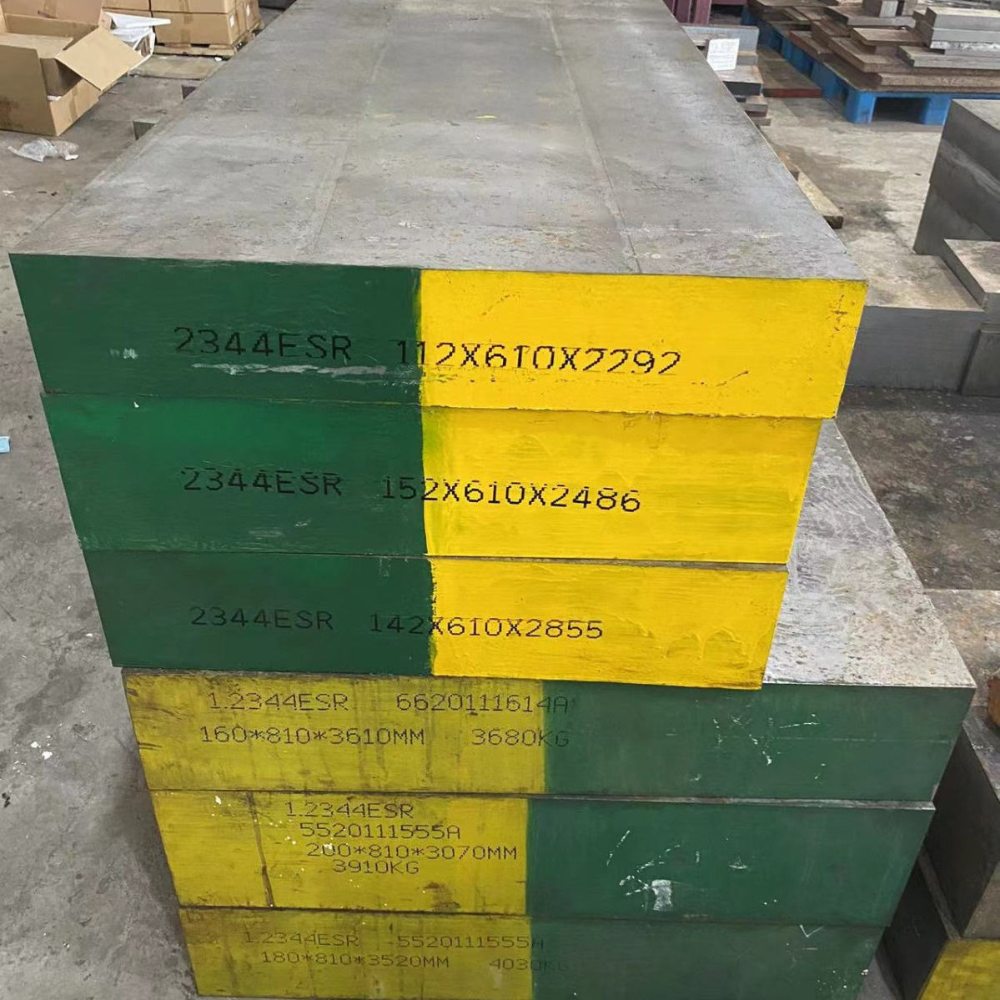
When it comes to streamlining manufacturing processes, the choice of steel often plays a critical yet underrated role. High-quality steel grades, such as those with enhanced durability and corrosion resistance, can significantly reduce downtime caused by equipment failures or frequent replacements. For instance, in industries like automotive or construction, opting for advanced alloys translates into longer-lasting components that withstand harsh conditions without compromising performance. This longevity directly boosts output by minimizing interruptions for maintenance or part changes, allowing operations to run smoother and more predictably.
Beyond durability, superior steel selection can accelerate production speeds and improve precision. Materials with excellent machinability enable faster cutting, shaping, and finishing, slashing cycle times and reducing waste. In high-volume settings, these gains add up quickly, enhancing overall throughput without sacrificing quality. Moreover, steels tailored for specific applications, like heat-treated varieties for tools or high-strength types for structures, ensure optimal performance under stress, preventing bottlenecks and supporting consistent, efficient workflows.
Another key aspect is cost-effectiveness over the long term. While premium steel might come with a higher initial price tag, its benefits in terms of reduced maintenance, fewer replacements, and enhanced productivity often lead to substantial savings. By investing in the right steel upfront, manufacturers can avoid hidden expenses related to inefficiencies or unexpected breakdowns, ultimately driving greater profitability and competitive edge in fast-paced markets.
Key Properties of High-Quality Mold Steels for Optimal Performance
Selecting the right mold steels involves understanding their core properties that drive performance in demanding applications. High-quality mold steels typically feature excellent hardness and wear resistance, ensuring they can withstand repeated cycles without significant degradation. They also possess superior toughness, which prevents cracking under high-pressure conditions, and thermal stability to maintain dimensional accuracy during temperature fluctuations. These characteristics collectively contribute to longer tool life and reduced downtime.
Another critical aspect is the steel's machinability and polishability. Steels with a fine, uniform microstructure allow for easier machining and a smoother surface finish, which is essential for producing high-precision molds with minimal defects. Additionally, good corrosion resistance helps protect against rust and pitting in humid or chemical-rich environments, preserving the mold's integrity over time. By prioritizing these properties, manufacturers can achieve optimal performance and cost-efficiency.
Beyond standard traits, advanced mold steels often incorporate innovative alloying elements and heat treatment processes to enhance specific attributes. For example, some steels are engineered to balance high hardness with improved ductility, reducing the risk of brittle failure. Others focus on thermal conductivity to speed up cooling cycles and boost productivity. Customizing steel selection based on these nuanced properties allows for tailored solutions that meet unique operational challenges, setting top-tier materials apart in the industry.
Real-World Applications: Mold Steel in Modern Industry
In automotive manufacturing, mold steel plays a pivotal role in shaping the complex components that define modern vehicles, from intricate interior panels to robust engine parts. The durability and precision of these molds ensure consistent production quality, allowing manufacturers to meet stringent safety standards while driving innovation in lightweight materials and electric vehicle designs. This reliance on advanced mold steel highlights its critical function in an industry constantly evolving toward efficiency and sustainability.
Beyond automotive, the consumer electronics sector leverages mold steel to create sleek, high-performance devices like smartphones and laptops. The ability to produce fine details and maintain tight tolerances is essential for these products, where aesthetics and functionality intersect tightly. By utilizing specialized grades of mold steel, companies can achieve rapid prototyping and mass production without compromising on the delicate features that consumers demand, underscoring how this material enables the tech industry's fast-paced advancements.
In medical device fabrication, mold steel is indispensable for crafting sterile, precision-engineered tools and implants that adhere to rigorous health regulations. Its corrosion resistance and reliability support the production of everything from syringes to prosthetic limbs, ensuring patient safety and product longevity. As medical technologies advance toward personalized treatments, the adaptability of mold steel continues to foster innovations that improve healthcare outcomes worldwide, demonstrating its vital role beyond industrial applications into life-saving realms.
Maintenance and Longevity Tips for Mold Steel Components
Mold steel components are the unsung heroes of the manufacturing world, quietly shaping countless products day in and day out. To keep them performing at their peak, regular maintenance is key. A simple wipe-down after each use to remove debris and residue can prevent buildup that leads to premature wear. Pay attention to any unusual noises or resistance during operation; these early warning signs can catch minor issues before they escalate into costly repairs, ensuring your molds stay in top shape for longer.
For those looking to extend the lifespan of their mold components, proper lubrication is essential. Use high-quality lubricants designed specifically for steel molds, applying them to moving parts to reduce friction and heat generation. Avoid over-lubrication, as excess grease can trap contaminants and cause abrasion. Additionally, store molds in a dry, temperature-controlled environment when not in use to ward off rust and corrosion—small steps that add up to significant longevity gains over time.
Beyond routine care, consider periodic inspections and professional servicing. Have a technician check for micro-cracks, surface wear, or alignment issues that might not be visible to the untrained eye. Implementing a maintenance schedule with detailed logs can track component health and predict when replacements might be needed. Ultimately, treating these steel pieces with the respect they deserve pays off in smoother production runs and fewer unexpected downturns.
Future Trends in Mold Steel Technology and Manufacturing
As industries worldwide push for higher efficiency and customization, mold steel technology is evolving with a clear focus on advanced materials. Researchers are developing new steel alloys that offer superior wear resistance and thermal conductivity while reducing weight and production costs. These innovations enable longer-lasting molds for plastic injection and die-casting applications, directly boosting manufacturing speed and sustainability in sectors like automotive and consumer electronics.
In manufacturing, trends are shifting toward smart and additive processes. The integration of sensors and IoT in molds allows real-time monitoring of temperature and pressure, optimizing performance and predicting maintenance needs. Simultaneously, 3D printing technologies are being adopted to create complex mold geometries with reduced waste, facilitating rapid prototyping and small-batch production that meets the demands of agile manufacturing environments.
Looking ahead, collaboration between material scientists and digital engineers is key. Future developments may include AI-driven simulations to test mold designs virtually, cutting down on trial-and-error phases. This synergy not only enhances precision but also supports green initiatives by minimizing material usage and energy consumption, positioning mold steel innovation as a cornerstone for next-generation industrial growth.
FAQ
Top mold steel stands out due to its high hardness, excellent wear resistance, and superior thermal conductivity, which ensure longer tool life and consistent part quality in high-precision applications.
It reduces downtime by minimizing wear and tear, allowing for faster cycle times and less frequent mold changes, ultimately speeding up overall manufacturing throughput.
This steel is prevalent in automotive, aerospace, and electronics manufacturing, where tight tolerances and high volume production demand durable and reliable mold materials.
Machining and heat treatment can be tricky due to its hardness; manufacturers often use advanced tools and controlled processes to avoid cracking and ensure optimal performance.
While initially more expensive, its durability and reduced maintenance costs lead to long-term savings, making it a cost-effective choice for high-precision projects.
Yes, alloy composition and heat treatment can be tailored based on factors like part geometry, production volume, and environmental conditions to enhance performance in niche uses.
Recent advancements include improved surface coatings and additive manufacturing techniques, which are pushing the boundaries of precision and enabling more complex mold designs.
Conclusion
Top-grade mold steel plays a crucial role in advancing manufacturing precision by providing exceptional dimensional stability and wear resistance, which are essential for producing high-tolerance components. This superiority directly translates to enhanced efficiency, as careful steel selection minimizes downtime and reduces the need for frequent replacements. Key properties such as hardness, toughness, and thermal conductivity ensure optimal performance in demanding applications, from automotive parts to electronics. In real-world industrial settings, these steels enable faster production cycles and lower operational costs, making them indispensable for modern manufacturing processes.
Proper maintenance and longevity strategies further maximize the benefits of mold steel, extending component life and sustaining precision over time. Looking ahead, future trends in mold steel technology focus on innovative alloys and smart manufacturing integration, promising even greater improvements in efficiency and customization. As industries evolve, the continuous development of top mold steel remains central to achieving higher productivity and superior quality outputs in diverse manufacturing sectors.
Contact Us
Contact Person: Zoe Liang
Email: [email protected]
Tel/WhatsApp: 86 189 2128 6299
Website: https://www.baowuchina.com