

Wear Resistant Steel Plate: Best Options for Longevity
2026-01-15
In industries where equipment faces constant abrasion and impact – from mining to construction – the choice of steel plate can mean the difference between costly downtime and sustained productivity. Wear-resistant steel plates are engineered to endure harsh conditions, but not all options deliver the same level of longevity. In this blog, we explore the best choices for maximizing durability and performance, highlighting how advanced materials can transform operational efficiency. As a leader in this field, Jiangsu Baowu New Materials has pioneered innovations that set new benchmarks for resilience. Whether you're replacing worn components or designing new machinery, understanding these options is key to achieving lasting results. Let's dive into what makes a steel plate truly wear-resistant and how to select the ideal solution for your needs.
Essential Benefits of Wear-Resistant Steel Plates for Durability
Wear-resistant steel plates are engineered to withstand harsh conditions where abrasion is a constant threat. These plates significantly extend the lifespan of equipment and structures, reducing the need for frequent replacements. By incorporating high hardness and toughness, they maintain their integrity under heavy loads, making them ideal for mining, construction, and industrial applications where durability is paramount.
The unique alloy composition of these plates, often featuring chromium or manganese, enhances their resistance to wear and tear. This not only improves performance but also lowers operational costs over time. In environments with abrasive materials, such as in conveyor systems or heavy machinery components, wear-resistant plates demonstrate superior longevity compared to standard steel, ensuring reliable service with minimal maintenance.
Beyond mere durability, wear-resistant steel plates contribute to operational efficiency by reducing downtime and enhancing safety. Their ability to resist deformation and cracking under stress translates into fewer unexpected failures. This reliability makes them a smart investment for industries prioritizing long-term performance and cost-effectiveness, ultimately supporting sustained productivity in demanding settings.
Top Grades and Materials in High-Performance Wear Plates
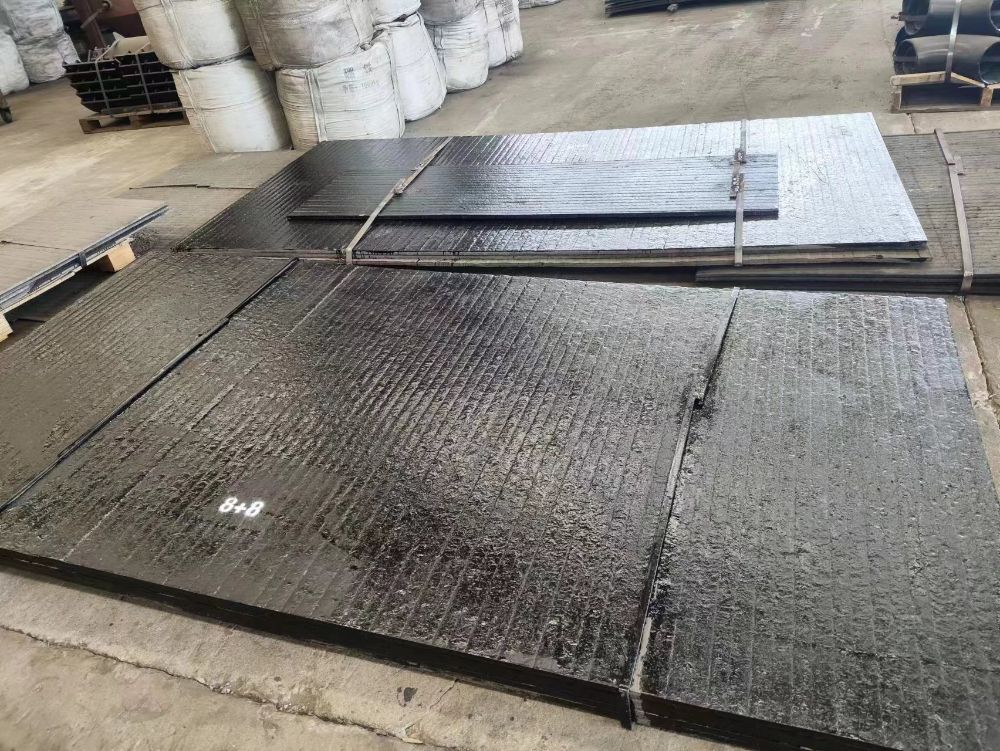
High-performance wear plates are engineered from advanced materials like AR400, AR500, and AR600 steel grades, which are known for their exceptional hardness and abrasion resistance. These grades are designed to withstand heavy impact and wear in demanding environments, such as mining, construction, and industrial machinery. The use of precise heat treatments and alloy compositions ensures uniform hardness throughout the material, making them ideal for applications where durability and minimal maintenance are key.
Beyond standard AR grades, materials such as chromium carbide overlay (CCO) and tungsten carbide are gaining popularity for their superior wear resistance in extreme conditions. CCO plates, for instance, feature a hard surface layer bonded to a tough substrate, offering a cost-effective solution that extends equipment lifespan without compromising on performance. This innovative approach allows for tailored solutions in sectors like agriculture and material handling, where specific wear patterns need addressing.
Additionally, advancements in fabrication techniques, such as laser cutting and custom shaping, enable wear plates to be designed for optimal fit and function. By focusing on material properties like impact toughness and corrosion resistance, manufacturers can provide plates that not only meet but exceed industry standards, ensuring reliable performance in high-stress scenarios. This emphasis on quality and innovation helps industries minimize downtime and operational costs over time.
Applications Across Industries: Where Wear Plates Excel
In the demanding world of heavy machinery, wear plates prove indispensable by shielding critical components from abrasion and impact. From construction sites to mining operations, they extend equipment lifespan, reducing downtime and maintenance costs. Different industries tailor these plates with specific materials, like hardened steel for quarrying or AR400 for forestry, ensuring optimal performance in diverse environments.
Beyond traditional sectors, wear plates are gaining traction in emerging fields such as renewable energy and logistics. In wind turbines, they protect nacelles from harsh weather, while in automated warehouses, they safeguard conveyor systems against constant friction. This adaptability highlights their role in driving efficiency and innovation across modern industrial landscapes.
What sets wear plates apart is their ability to be customized for unique challenges, whether in agriculture to equip harvesters or in marine applications to combat corrosion. This versatility ensures they remain a go-to solution for industries prioritizing durability and operational reliability.
Key Factors to Consider When Selecting Wear-Resistant Steel
When you're in the market for wear-resistant steel, it's easy to get overwhelmed by various technical specs and marketing claims. Start by evaluating the specific wear mechanisms you'll face—whether it's abrasion from sliding contact, impact from heavy loads, or a combination of both. Different environments, like mining sites or manufacturing lines, demand tailored solutions. For instance, in high-impact scenarios, look for steels that balance hardness with toughness to prevent cracking under stress. It's not just about picking the hardest material; a steel that's too brittle might fail prematurely under operational demands, leading to costly downtime and replacements.
Another key aspect is the alloy composition and manufacturing process, which significantly influence performance. Steels with higher carbon content or added elements like chromium, boron, or manganese can enhance hardness and resistance to wear. However, these additions might affect weldability or corrosion resistance, so consider your application's full scope. If you're fabricating parts that require welding, opt for grades with good formability to avoid issues during assembly. Also, think about surface treatments—some steels come pre-hardened or treated for extra durability, but this might increase costs or limit future modifications. Chatting with a supplier about production methods, like quenching and tempering, can reveal insights into long-term reliability and consistency across batches.
Finally, don't overlook practical factors like budget, availability, and maintenance needs. While top-tier wear-resistant steels might offer superior performance, they could strain your budget if not justified by your usage. Balance initial costs with total lifecycle expenses; a slightly pricier option that lasts longer often saves money over time. Check lead times and supplier reliability to avoid delays in projects. Additionally, assess how easy it is to repair or refurbish the steel in the field—some grades allow for straightforward welding or patching, reducing operational headaches. By weighing these elements holistically, you can select a steel that not only stands up to wear but also aligns with your project's overall goals and constraints.
Installation Tips and Best Practices for Long-Lasting Results
Starting with a solid foundation is key; before you even unpack the first component, take a moment to survey the installation environment. Ensure surfaces are clean, dry, and level—a few extra minutes spent prepping now can save you from headaches down the road. You'll want to gather all necessary tools and materials beforehand, avoiding mid-project scrambles that might compromise your work's integrity. Double-check measurements and manufacturer guidelines to align with specific conditions, as even slight deviations can affect longevity.
During installation, resist the urge to rush through steps like curing or setting times; patience here pays off in durability. Tighten fasteners securely but not overtightened, following torque specifications if provided, to prevent stress fractures. Incorporate proper sealing techniques where moisture or dust exposure is a concern, as these elements often accelerate wear. If adjustments are needed mid-process, step back and reassess rather than forcing components, which could lead to premature failure.
Post-installation, establish a routine maintenance check to catch minor issues before they escalate—think of it as investing in your project's future. Keep documentation handy for reference on care tips, and consider environmental factors like temperature fluctuations that might require seasonal tweaks. By blending attention to detail with a proactive mindset, you'll not only achieve a flawless finish but also extend the lifespan of your installation significantly.
Comparing Cost-Effectiveness and Lifespan of Leading Options
When selecting from top-tier solutions, a thorough evaluation of cost-effectiveness and lifespan is crucial for making informed decisions. Cost-effectiveness goes beyond just the initial price tag; it encompasses long-term savings, maintenance expenses, and operational efficiency. Leading options often distinguish themselves through innovative designs or advanced materials that minimize ongoing costs, offering better value over time even if they require a higher upfront investment.
Lifespan plays a key role in this comparison, as durable products reduce the need for frequent replacements and associated downtime. For instance, some options leverage high-quality components or robust construction to extend their useful life, directly impacting overall cost-effectiveness by spreading costs across more years of service. This balance between durability and affordability can make a significant difference in sectors like manufacturing or infrastructure, where reliability is paramount.
To effectively compare these factors, consider specific performance metrics and user reviews. Real-world data on failure rates, warranty terms, and total cost of ownership can provide insights that go beyond generic claims. By analyzing how leading options stack up in terms of both immediate expenses and longevity, stakeholders can choose solutions that not only fit their budget but also deliver sustained value, ensuring a wise investment that withstands the test of time.
FAQ
Wear-resistant steel plate offers exceptional durability and resistance to abrasion, impact, and corrosion, making it ideal for heavy-duty environments like mining and construction where longevity is crucial. Its high hardness and toughness help minimize wear and tear, reducing downtime and maintenance costs over time.
The steel typically contains alloying elements like chromium, manganese, and carbon, which enhance its hardness and resistance to abrasion. This tailored composition ensures it withstands extreme stresses without cracking or degrading, providing a long-lasting solution in demanding settings.
Yes, for example, AR400 and AR500 plates are popular in mining for their superior abrasion resistance, while Hardox grades are favored in construction for their impact tolerance. Choosing the right type depends on factors like load intensity and environmental exposure.
Important factors include the level of abrasion and impact expected, environmental conditions like moisture or chemicals, thickness requirements for structural integrity, and budget constraints. Consulting with experts can help match the plate to specific operational needs.
Regular inspections for cracks or wear spots, applying protective coatings to prevent corrosion, and ensuring proper installation to avoid stress concentrations can significantly prolong service life. Simple upkeep routines prevent minor issues from escalating into major failures.
Yes, they can be tailored through cutting, bending, or welding to fit specific machinery or structures. Customization allows for optimized performance and efficiency, reducing waste and ensuring a perfect fit for challenging layouts or designs.
Innovations like advanced heat treatment processes and micro-alloying techniques have enhanced hardness and toughness. These developments lead to plates that last longer under intense conditions, offering better value and reliability compared to older versions.
While initially more expensive than standard steel, wear-resistant steel often proves more cost-effective over time due to reduced replacement and maintenance needs. Compared to ceramics, it offers better impact resistance and ease of fabrication, though ceramics may excel in specific high-wear scenarios.
Conclusion
Wear-resistant steel plates offer unparalleled durability by combining high hardness and toughness, essential for environments with extreme abrasion and impact. Key benefits include reduced maintenance needs and extended equipment lifespan, making them vital in industries like mining, construction, and manufacturing. To achieve longevity, selecting the right grade is crucial, with top materials including AR400, AR500, and Hardox, each designed for specific stress levels and wear conditions. For example, AR400 is ideal for moderate abrasion, while Hardox excels in heavy-impact applications, ensuring optimal performance across varied uses.
When choosing wear plates, consider factors such as hardness, thickness, and environmental exposure, as these directly influence cost-effectiveness and lifespan. Proper installation, including correct welding techniques and surface preparation, enhances durability and prevents premature failure. Leading options vary in initial cost but often provide long-term savings through reduced downtime and replacement needs. By focusing on high-performance grades and best practices, users can maximize efficiency and longevity, transforming demanding operations into sustainable, resilient systems.
Contact Us
Contact Person: Zoe Liang
Email: [email protected]
Tel/WhatsApp: 86 189 2128 6299
Website: https://www.baowuchina.com