

Can a Melt Blown Laminating Machine Bond Carbon Fabric with Non-Woven Fabrics for Automotive Interiors
2026-06-03
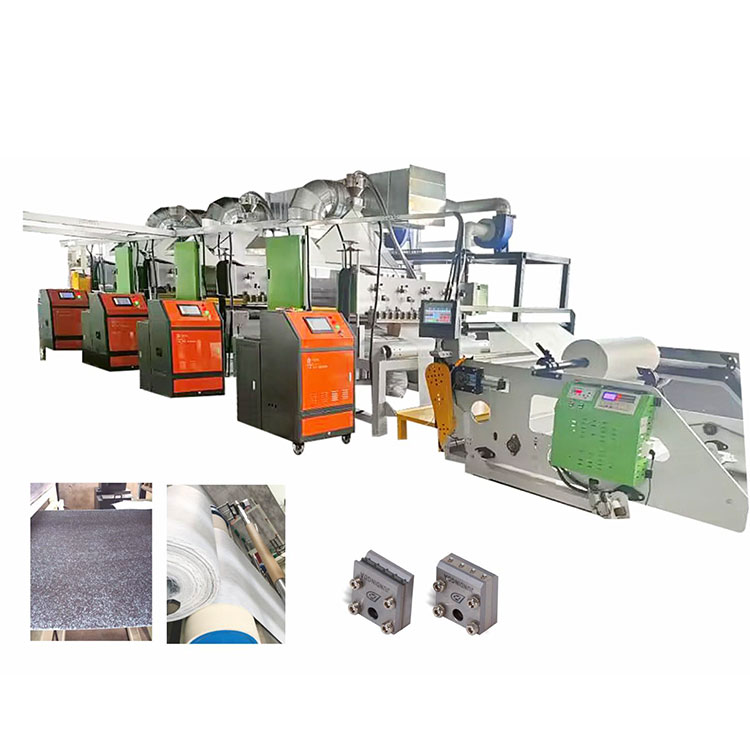
Yes, a Carbon Fabric Melt Blown Laminating Machine can reliably bond carbon fabric with non-woven fabrics for automotive interiors. Jundingda has engineered such equipment to meet the strict demands of modern vehicle manufacturing, including lightweight structures, acoustic performance, and thermal insulation.
Key Bonding Advantages in Automotive Applications
| Feature | Benefit for Automotive Interiors |
|---|---|
| Foam Hot Melt System | Reduces adhesive weight by up to 50%, lowering overall part mass |
| Precision Temperature Control (±1°C) | Ensures consistent bonding strength across curved trim panels |
| Variable Lamination Speed (up to 50 m/min) | Supports high-volume production lines for door panels and headliners |
The process uses a Carbon Fabric Melt Blown Laminating Machine to apply melted adhesive uniformly, creating a durable composite that resists delamination under heat and mechanical stress—critical for cabins exposed to sunlight and vibration.
Why Automotive Engineers Choose This Method
-
Improved NVH (Noise, Vibration, Harshness): The melt blown layer absorbs sound better than traditional adhesives.
-
Flame Retardancy: Carbon fabric naturally resists high temperatures, meeting automotive safety standards.
-
Eco-Friendly Production: Solvent-free lamination reduces VOC emissions inside the vehicle cabin.
Carbon Fabric Melt Blown Laminating Machine FAQ
1. What thickness ranges can a Carbon Fabric Melt Blown Laminating Machine handle for automotive composites?
A Carbon Fabric Melt Blown Laminating Machine from Jundingda typically processes carbon fabric from 0.2mm to 3.0mm and non-woven substrates from 0.5mm to 5.0mm. The machine automatically adjusts nip roller pressure to maintain uniform bonding without crushing the melt blown layer.
2. Does the lamination process affect the breathability of the non-woven fabric?
No. The Carbon Fabric Melt Blown Laminating Machine applies hot melt adhesive in a dot or spiral pattern, covering only 15–30% of the fabric surface. This preserves over 70% of the original air permeability, which is essential for automotive headliners and seat back panels that require moisture vapor transmission.
3. How often does a Carbon Fabric Melt Blown Laminating Machine need maintenance for high-volume automotive production?
Jundingda recommends a full inspection every 500 operating hours. Critical components—such as the melt blown die head and calendar rollers—should be cleaned weekly to prevent carbon fiber residue buildup. With proper maintenance, the machine achieves 98% uptime in continuous automotive assembly lines.
Contact Us
Looking to integrate a Carbon Fabric Melt Blown Laminating Machine into your automotive interior production line? Jundingda provides custom engineering, on-site commissioning, and operator training. Contact us today for a process feasibility study and a quote tailored to your composite specifications.