

How Animal Carcass Crusher Transforms Industrial Waste Management?
2026-01-27
Article Abstract
Animal carcass disposal presents complex challenges for farms, slaughterhouses, rendering plants, and waste management facilities. An Animal Carcass Crusher is engineered to break down animal carcasses into manageable pieces for hygienic disposal, efficient rendering, and reduced environmental impact. This article examines its operational principles, technical specifications, real-world applications, and user considerations. Readers will gain structured insights into choosing and deploying this equipment responsibly while addressing common concerns around performance, cost, and maintenance.
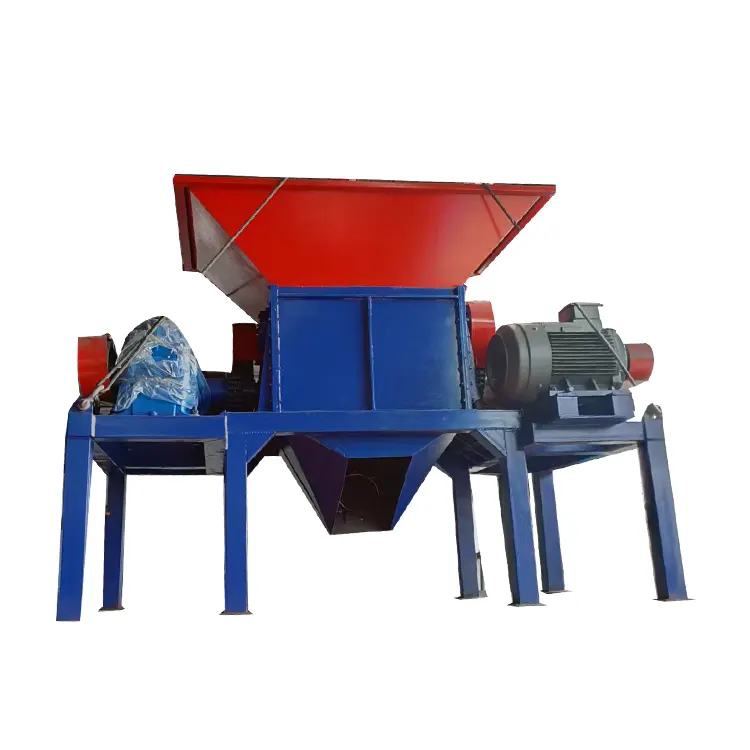
Table of Contents
- Introduction to Animal Carcass Crusher
- Technology and Operating Principles
- Technical Specifications Overview
- Primary Application Scenarios
- Core Benefits in Waste Management
- Frequently Asked Questions
- Conclusion & Contact Information
Introduction to Animal Carcass Crusher
An Animal Carcass Crusher is a mechanical processing system designed to reduce the size of animal carcasses and related organic waste. These machines are commonly employed in settings with high volumes of animal by-products, such as rendering facilities, slaughterhouses, livestock farms, and environmental waste treatment operations. Crushing carcasses before further processing reduces volume, enhances handling efficiency, and supports subsequent stages such as drying, rendering, composting, or disposal. Small carcass pieces also facilitate uniform treatment and help prevent operational blockages in downstream equipment.
Technology and Operating Principles
The key functional elements of an Animal Carcass Crusher revolve around robust cutting and shredding mechanisms that can handle tough materials like bone, hide, and internal organs. Heavy-duty blades or rotary cutting shafts exert shear and compressive forces to fragment carcasses into smaller pieces suitable for handling or processing. Typical systems may employ single or dual shaft configurations, with low-speed high-torque motors to deliver effective crushing without excessive noise or dust.
Below is a conceptual breakdown of standard operational components:
- Feeding hopper: Guides carcasses into the crushing chamber
- Rotary cutter blades: Heavy-duty alloy steel cutters for bone-crushing capacity
- Drive motor: Provides torque to cut and shear resistant tissues
- Control unit: Safety and operational controls
- Discharge outlet: Releases uniform crushed material
Technical Specifications Overview
Although specifications vary by model and intended use, the following table summarizes typical parameters of industrial-grade crushers:
| Parameter | Typical Value or Range |
|---|---|
| Motor Power | 15 kW – 100 kW (depending on capacity) |
| Feed Capacity | 1 – 20+ tons per hour |
| Blade Material | Hardened Alloy Steel |
| Output Particle Size | ≤ 25 – 40 mm |
| Shaft Configuration | Single or Dual Shaft |
| Safety Features | Emergency stop, Sensors, Enclosed casing |
Primary Application Scenarios
Animal Carcass Crushers are utilized where organic waste management is both a regulatory requirement and a logistical necessity:
- Rendering plants: Prepares carcasses for rendering proteins or fats by reducing physical size.
- Slaughterhouses: Processes offal, bones, and whole carcasses for hygienic handling.
- Livestock farms: Manages deadstock waste, preventing odor spread and disease vectors.
- Bio-waste facilities: Prepares organic matter for composting or bioenergy conversion.
Core Benefits in Waste Management
Integrating a well-engineered Animal Carcass Crusher yields multiple operational advantages:
- Volume Reduction: Smaller particles occupy less space, minimizing storage and disposal costs.
- Improved Processing: Uniform size accelerates drying, composting, and rendering.
- Environmental Control: Efficient crushing reduces odors and pathogen spread risks.
- Energy Efficiency: Smaller particle mass demands less energy for transport and processing.
- Reduced Blockages: Properly sized particles help avoid clogs in conveyors or pumps.
Frequently Asked Questions
Q: What materials can an Animal Carcass Crusher process?
A: These crushers are designed to handle complete animal carcasses, including bones, internal organs, and other organic waste. Models vary in capacity and blade configuration, enabling them to work efficiently on livestock or poultry carcasses.
Q: How does crushing improve waste disposal processes?
A: Crushing reduces debris size and increases surface area, which enhances drying and incineration efficiency while reducing energy usage and time in subsequent stages.
Q: Are there safety concerns when using an Animal Carcass Crusher?
A: Yes, operational safety is critical. Systems should include emergency stops, protective shrouds, and operator training. Proper safety protocols prevent accidental injury and ensure compliance with industrial standards.
Q: Can the output from a crusher be reused?
A: Typically, crushed material can be directed to rendering lines for protein extraction, composting for soil amendment, or further processing as input for bioenergy production.
Conclusion & Contact Information
An Animal Carcass Crusher is an indispensable tool in modern waste management, enabling facilities to handle organic carcass waste hygienically, efficiently, and sustainably. From reducing volume to improving downstream processing, these systems address core pain points in biological waste streams.
For enterprises seeking robust and efficient animal carcass processing solutions, Shandong Chengming Environmental Protection Technology Co., Ltd. offers engineered crushers designed for high throughput, energy efficiency, and long-term operational reliability. To discuss specific project requirements, request technical details, or explore configuration options, contact us today and let expert support guide your equipment selection.