

How Can a Candle Making Machine Improve Production Efficiency and Product Quality?
2026-03-24
Article Summary
A candle making machine has become an essential solution for manufacturers seeking to scale production, maintain consistent quality, and reduce labor costs. This article provides a comprehensive overview of how these machines work, their key advantages, and how to select the right model for different production needs. It also addresses common customer challenges such as uneven quality, low output, and high operational costs. With structured insights, technical data, and practical guidance, this guide helps businesses make informed investment decisions.
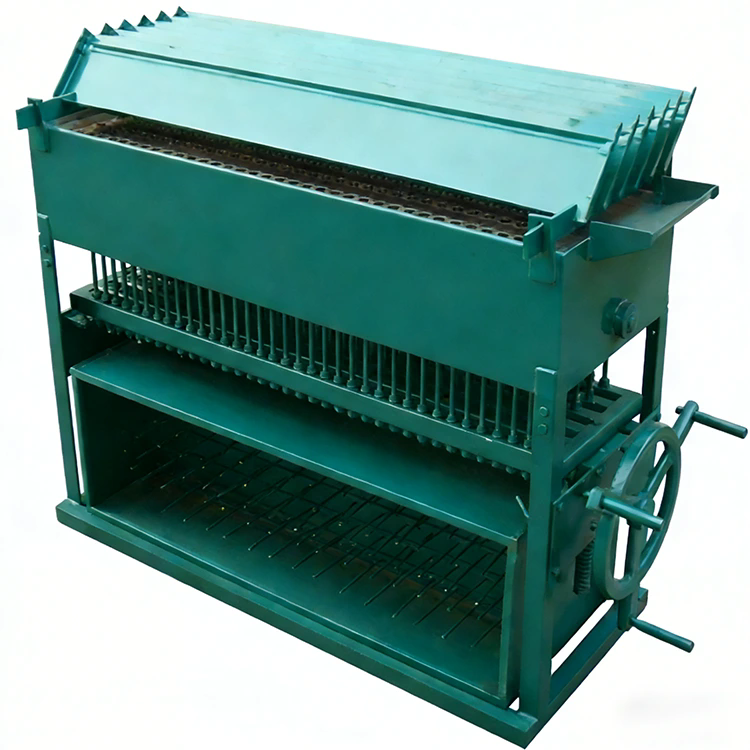
Table of Contents
- 1. What Is a Candle Making Machine?
- 2. How Does a Candle Making Machine Work?
- 3. Common Challenges in Candle Production
- 4. Key Features and Technical Parameters
- 5. Types of Candle Making Machines
- 6. How to Choose the Right Machine
- 7. Operational and Maintenance Tips
- 8. Frequently Asked Questions
- 9. Conclusion
1. What Is a Candle Making Machine?
A candle making machine is an automated or semi-automated system designed to produce candles in large quantities with consistent size, shape, and quality. It integrates processes such as wax melting, molding, wick placement, cooling, and demolding into a streamlined workflow.
Compared to manual production, these machines significantly improve efficiency and reduce human error. They are widely used in industries producing decorative candles, scented candles, religious candles, and utility lighting products.
2. How Does a Candle Making Machine Work?
A candle making machine operates through a series of controlled steps that ensure precision and uniformity throughout production.
- Wax Melting: Solid wax is heated to a controlled temperature
- Filling System: Liquid wax is injected into molds
- Wick Positioning: Automated systems align and secure wicks
- Cooling Process: Candles are cooled for solidification
- Demolding: Finished candles are removed from molds
Advanced systems include programmable controls that allow users to adjust temperature, filling volume, and cycle times for different product specifications.
3. Common Challenges in Candle Production
Many manufacturers encounter operational difficulties that limit productivity and product consistency.
- Inconsistent Quality: Variations in shape and surface finish
- Low Efficiency: Manual processes slow down production
- High Labor Costs: Increased dependency on skilled workers
- Material Waste: Inefficient wax usage
- Temperature Control Issues: Leads to defects such as cracking
A modern candle making machine effectively addresses these issues by standardizing the production process.
4. Key Features and Technical Parameters
| Parameter | Description |
| Production Capacity | Varies from small-scale to large industrial output |
| Wax Tank Volume | Determines continuous production capability |
| Temperature Control | Precise heating system for consistent wax quality |
| Mold Quantity | Defines number of candles produced per cycle |
| Automation Level | Semi-automatic or fully automatic operation |
| Power Supply | Compatible with industrial electrical standards |
| Material Compatibility | Supports paraffin, soy wax, and other materials |
Products developed by Nanjing FNAT are designed with stable performance, precision control, and adaptability to various production environments.
5. Types of Candle Making Machines
Different production requirements call for different machine configurations.
- Manual Machines: Suitable for small workshops
- Semi-Automatic Machines: Balance between cost and efficiency
- Fully Automatic Machines: Ideal for large-scale production
- Specialized Machines: Designed for specific candle shapes or functions
Choosing the right type depends on production scale, product variety, and investment capacity.
6. How to Choose the Right Machine
Selecting the appropriate candle making machine requires a careful evaluation of several factors.
- Production Volume: Match machine capacity with demand
- Product Type: Consider shape, size, and material
- Automation Level: Determine labor savings vs cost
- Energy Efficiency: Reduce operational expenses
- Supplier Reliability: Ensure quality and technical support
Investing in a reliable machine ensures long-term stability and higher return on investment.
7. Operational and Maintenance Tips
Proper operation and maintenance are essential for maximizing machine performance.
- Regularly clean wax tanks and molds
- Monitor temperature settings to prevent defects
- Inspect electrical components periodically
- Use high-quality raw materials for better results
Routine maintenance not only extends machine lifespan but also ensures consistent product quality.
8. Frequently Asked Questions
Q1: What types of wax can be used in a candle making machine?
Most machines support paraffin wax, soy wax, beeswax, and blended materials, depending on the heating system and design.
Q2: Is a fully automatic machine worth the investment?
For medium to large-scale production, fully automatic machines significantly reduce labor costs and improve efficiency, making them a valuable investment.
Q3: How long does it take to produce a batch of candles?
Production time depends on machine capacity and cooling speed, but automated systems can produce large quantities within a short cycle time.
Q4: Can machines produce customized candle designs?
Yes. By changing molds and adjusting settings, manufacturers can produce various shapes, sizes, and styles.
9. Conclusion
A candle making machine is a powerful tool for manufacturers aiming to improve efficiency, ensure consistent quality, and scale production effectively. By automating critical processes, businesses can overcome traditional production challenges and achieve greater operational control.
Nanjing FNAT offers advanced solutions designed to meet diverse manufacturing requirements with precision and reliability. Whether for small-scale operations or large industrial production, the right equipment can transform your candle manufacturing process.
If you are looking to upgrade your production line and enhance profitability, contact us today to explore customized solutions and professional support tailored to your business needs.