

How Can an Air Cooling Handheld Welding Machine Enhance Your Welding Efficiency?
2026-02-27
Article Summary
The air cooling handheld welding machine has transformed the landscape of portable welding by combining ergonomic design, efficient thermal management, and robust welding performance. This blog provides a detailed exploration of how these machines operate, the core benefits they bring to industrial and maintenance applications, and strategies for selecting the right model to match application requirements. It also addresses common customer concerns and obstacles, helping professionals and businesses make confident purchasing and deployment decisions.
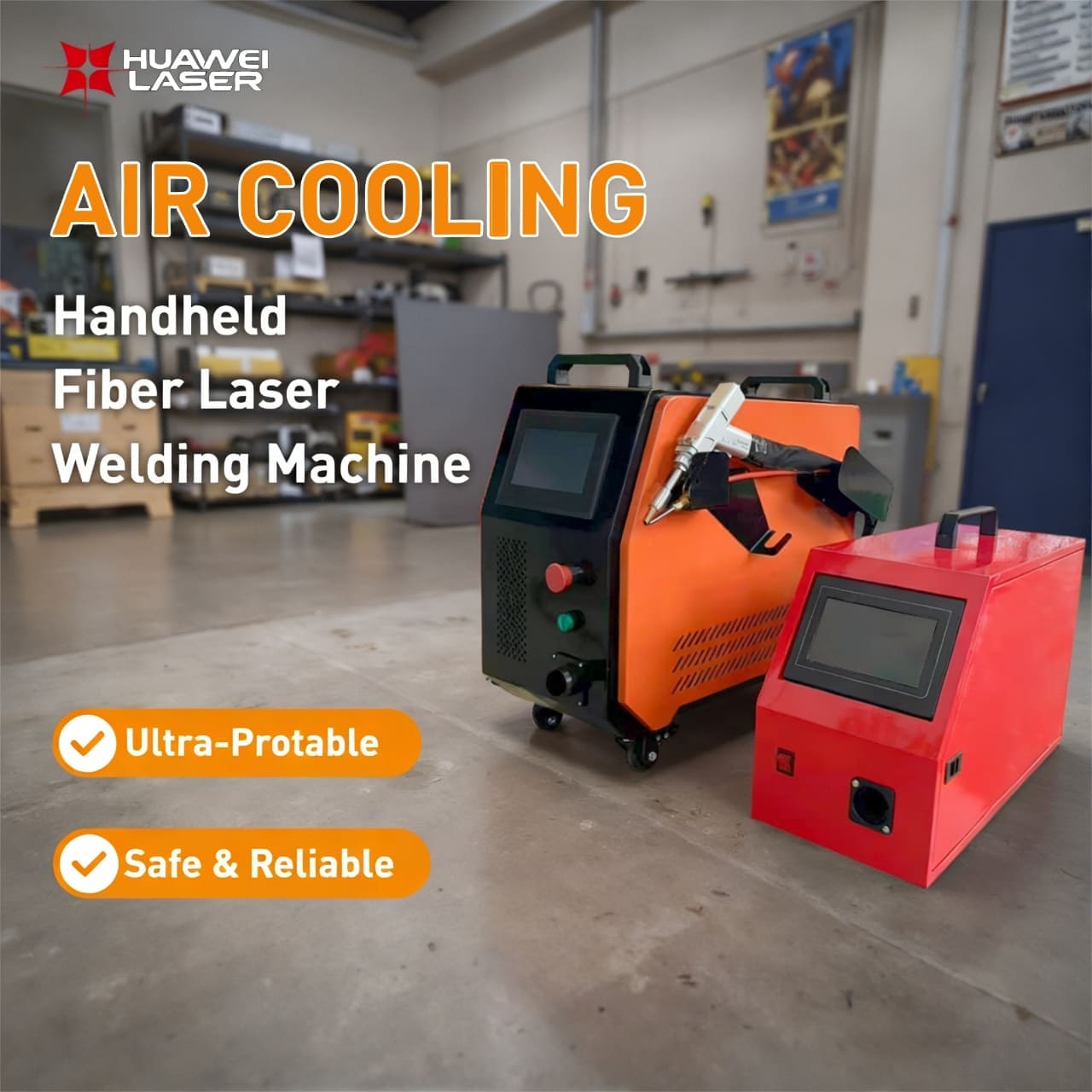
Table of Contents
- Content Outline
- Overview of Air Cooling Handheld Welding Machines
- Common Customer Pain Points
- Working Principle and Key Features
- Core Benefits Compared to Conventional Welders
- Selection Guide for Your Application
- Performance Comparison Table
- Primary Application Scenarios
- Frequently Asked Questions
- Conclusion and Contact Us
Content Outline
- Understanding the air cooling handheld welding machine in context
- Identification of common operational and purchasing challenges
- Explanation of thermal management and operational features
- Comparing advantages over traditional welding systems
- Guidance for proper model selection based on welding needs
Overview of Air Cooling Handheld Welding Machines
Air cooling handheld welding machines represent a class of portable welding tools engineered for convenience, flexibility, and sustained performance. Designed to manage thermal output without complex water-cooling systems, these units use ambient airflow and optimized internal heat dissipation structures to maintain steady temperatures even during prolonged welding.
This combination of portability and efficient thermal control makes such machines suitable for field service, maintenance, fabrication shops, and situations where traditional heavy equipment is impractical. Huawei Laser Equipment Manufacturing Co., Ltd. focuses on high-quality solutions that balance power, stability, and usability across diverse work environments.
Common Customer Pain Points
Professionals considering handheld welding solutions often encounter a set of recurring challenges that can impact productivity and satisfaction. Key concerns typically include:
- Overheating during extended welding sessions – disrupting workflow and risking downtime
- Inadequate weld quality – inconsistent penetration or weak joint strength
- Heavy or bulky units – limiting mobility and operator comfort
- Complex maintenance requirements – adding operational costs
- Poor suitability for mixed materials – hindered versatility
Proper equipment selection and understanding of thermal characteristics are essential to avoid these pitfalls and ensure reliable results.
Working Principle and Key Features
Air cooling handheld welding machines operate with a focus on maintaining stable internal temperatures through design elements that maximize airflow around critical components. The key principles include:
- Optimized heat sinks – rapidly transfer heat away from circuits and welding modules
- High-efficiency fans – promote steady air movement without excessive noise or energy use
- Ergonomic housing – balances durability with comfort for prolonged handling
- Integrated control circuitry – ensures consistent output and protects against thermal overload
By integrating these elements, advanced machines maintain performance levels comparable to larger cooling systems while preserving the convenience of portability.
Core Benefits Compared to Conventional Welders
Air cooling handheld welders bring multiple advantages that resonate with both mobile operators and workshop environments:
- Portability – lighter weight and no reliance on external cooling infrastructure
- Reduced maintenance – fewer moving parts and simpler servicing needs
- Energy efficiency – lower auxiliary power consumption
- Consistent thermal control – minimizes risk of overheating failure
- Rapid start-up – quick readiness for immediate tasks
These advantages support higher uptime and lower total cost of ownership for many industrial and field applications.
Selection Guide for Your Application
Choosing the right air cooling handheld welding machine depends on application requirements and performance expectations. Below are key decision criteria:
- Material types – steel, stainless steel, aluminum, or mixed substrates
- Welding thickness range – determines necessary power capacity
- Duty cycle expectations – frequency and duration of operations
- Portability requirements – weight and ergonomics for field use
- Control features – precision, interface usability, and feedback systems
Huawei Laser Equipment Manufacturing Co., Ltd. offers tailored models that address distinct performance bands and operational contexts to help users align machine capabilities with project demands.
Performance Comparison Table
| Feature | Air Cooling Handheld Machine | Water Cooling Station |
|---|---|---|
| Cooling Method | Air flow & heat sinks | Water circulation |
| Portability | High | Low |
| Maintenance | Simple | Moderate |
| Initial Setup | Quick | Complex |
| Typical Duty Cycle | Moderate to High | High |
Primary Application Scenarios
Air cooling handheld welding machines find use across diverse industries, especially where mobility and responsiveness are critical:
- Field maintenance and repair – equipment and structural welding on-site
- Fabrication workshops – quick-turn joins without heavy infrastructure
- Manufacturing integration – flexible welding stations for varied product runs
- Automotive and transportation – frame and component welding during assembly or service
- Construction sites – structural reinforcement and steel fitting
Frequently Asked Questions
What welding processes are supported by air cooling handheld machines?
They commonly support MIG, TIG, and spot welding variants, depending on model specification and accessory compatibility.
Will air cooling limit welding duration?
High-quality air cooling machines are engineered to handle extended duty cycles without overheating; ensure alignment between duty cycle rating and workload.
Can these machines handle thick materials?
Yes, provided the power output and current capacity are sized appropriately for the material thickness requirements.
Is specialized training required?
Basic welding proficiency is recommended, though intuitive controls and safety features help reduce the learning curve.
Conclusion and Contact Us
Air cooling handheld welding machines offer a compelling blend of mobility, operational simplicity, and dependable thermal management that enhances productivity across many professional welding scenarios. When aligned with task requirements and proper handling practices, these systems deliver strong performance and reduced operational complexity compared to traditional cooling solutions.
Huawei Laser Equipment Manufacturing Co., Ltd. stands ready to support your welding needs with advanced air cooling handheld welding machines designed for efficiency, durability, and user-friendly operation. If you are looking to upgrade your welding capabilities or require expert guidance for selecting the optimal solution, contact us today to explore how we can support your next project’s success.