

How Do Advancements in Load Cell Technology Impact the Precision of Modern Quantitative Weighing Balers
2026-03-30
In the industrial packaging and recycling sectors, precision is not merely a metric—it is the foundation of operational profitability. The Quantitative Weighing Baler has emerged as a critical solution for industries requiring exact material measurement before compression. At the forefront of this evolution is Gaoxin, a brand that has consistently integrated cutting-edge load cell technology to redefine what accuracy means in high-throughput environments. As load cells evolve from simple analog sensors to sophisticated digital systems, their impact on the precision of modern Quantitative Weighing Balers is profound, directly influencing waste reduction, material consistency, and overall return on investment.
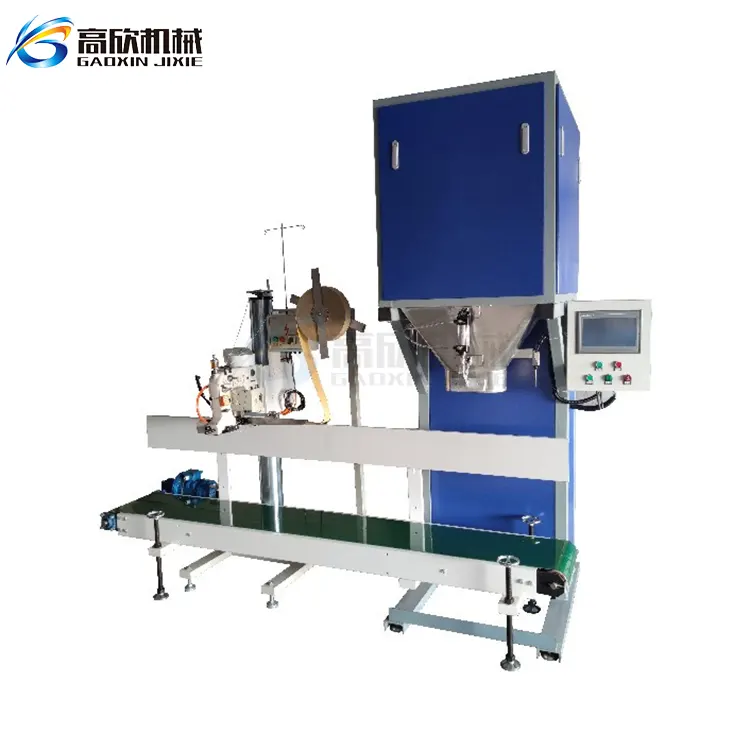
The Technological Leap in Load Cell Design
Traditional baling systems often relied on hydraulic pressure approximations, leading to significant material variance. Today’s advanced load cells, particularly those utilized by Gaoxin, employ digital strain gauge technology and real-time temperature compensation. This evolution allows the Quantitative Weighing Baler to maintain microgram-level sensitivity even in harsh industrial settings where vibration and temperature fluctuations traditionally compromised accuracy.
| Feature | Traditional Load Cells | Advanced Digital Load Cells (Gaoxin) |
|---|---|---|
| Signal Type | Analog (Susceptible to noise) | Digital (High interference immunity) |
| Accuracy Tolerance | ±0.5% – 1.0% | ±0.1% or better |
| Environmental Compensation | Manual calibration required | Automatic temperature & vibration damping |
| Data Integration | Isolated readings | IoT-ready with real-time data logging |
Mechanisms Driving Precision
The impact of advanced load cells on the Quantitative Weighing Baler can be categorized into three core mechanisms:
-
Dynamic Weighing Stability: Modern load cells enable Gaoxin balers to perform accurate measurements while materials are in motion. This eliminates the need for stoppages, ensuring that the Quantitative Weighing Baler maintains throughput without sacrificing legal-for-trade accuracy.
-
Predictive Maintenance: Embedded sensors continuously monitor the structural health of the weighing platform. By detecting micro-deviations before they become failures, these systems ensure that precision remains consistent across millions of cycles.
-
Material Specific Calibration: Advanced load cells store calibration profiles for different materials—from dense regrind to fluffy fibers. This allows the Quantitative Weighing Baler to switch between product runs instantly without manual recalibration, a standard feature in Gaoxin’s latest generation of equipment.
Frequently Asked Questions About Quantitative Weighing Balers
What is the typical accuracy range for a modern Quantitative Weighing Baler using advanced load cells?
A modern Quantitative Weighing Baler equipped with high-resolution digital load cells typically achieves an accuracy range of ±0.1% to ±0.2% of the set target weight. This represents a significant improvement over older hydraulic systems, which often had error margins of 1% or higher. For industries dealing with high-value materials or strict regulatory compliance, this level of precision ensures that every bale meets exact customer specifications without giving away product.
How do environmental factors like vibration and temperature affect the precision of a Quantitative Weighing Baler?
Environmental factors are a primary source of error in weighing systems. However, advanced Quantitative Weighing Baler models from Gaoxin integrate load cells with dynamic vibration filtering and temperature compensation algorithms. These systems continuously analyze the noise floor of the operating environment, distinguishing between true weight data and ambient interference. As a result, even when installed near granulators or conveyors that generate significant vibration, the baler maintains its stated precision without requiring costly isolation mounts.
What maintenance is required to ensure long-term precision in a Quantitative Weighing Baler?
To maintain long-term precision, the load cell system of a Quantitative Weighing Baler should undergo a routine verification schedule every 500 to 1,000 operating hours. This involves checking for mechanical debris accumulation that could create false loads, inspecting cable integrity for digital signal clarity, and performing a span calibration using certified test weights. Gaoxin simplifies this process by embedding diagnostic software that alerts operators when recalibration is necessary, shifting maintenance from a reactive task to a predictable, data-driven operation.
The Business Impact of Enhanced Precision
The integration of superior load cell technology transforms the Quantitative Weighing Baler from a simple compaction device into a strategic asset. For recyclers, precise weighing maximizes the value of export shipments by ensuring container weights are optimized without exceeding legal road limits. For manufacturers, it ensures that raw material dosing is exact, reducing waste and stabilizing downstream processing. Gaoxin leverages this technology to deliver systems where the total cost of ownership is significantly lowered through reduced material give-away and minimized downtime.
Conclusion
The evolution of load cell technology has fundamentally shifted the capabilities of the Quantitative Weighing Baler. What was once a mechanical guess has become a precise, data-driven operation. By adopting digital, environmentally compensated load cells, Gaoxin provides industrial operations with the confidence that every bale produced meets exact weight specifications, maximizing profitability and operational efficiency.
To learn how Gaoxin’s precision-engineered Quantitative Weighing Balers can optimize your material handling workflow, contact us today to schedule a consultation with our engineering team and request a customized accuracy analysis for your specific application.