

How Do Different Mesh Sizes and Materials Affect the Performance of a Metal Separator Screen
2026-03-23
In industrial processing, the efficiency of a Metal Separator Screen directly determines product purity and operational uptime. Selecting the wrong mesh size or material can lead to frequent clogs, premature wear, and costly downtime. For manufacturers seeking reliable separation solutions, Gaoxin provides precision-engineered Metal Separator Screen systems designed to optimize performance across diverse applications.
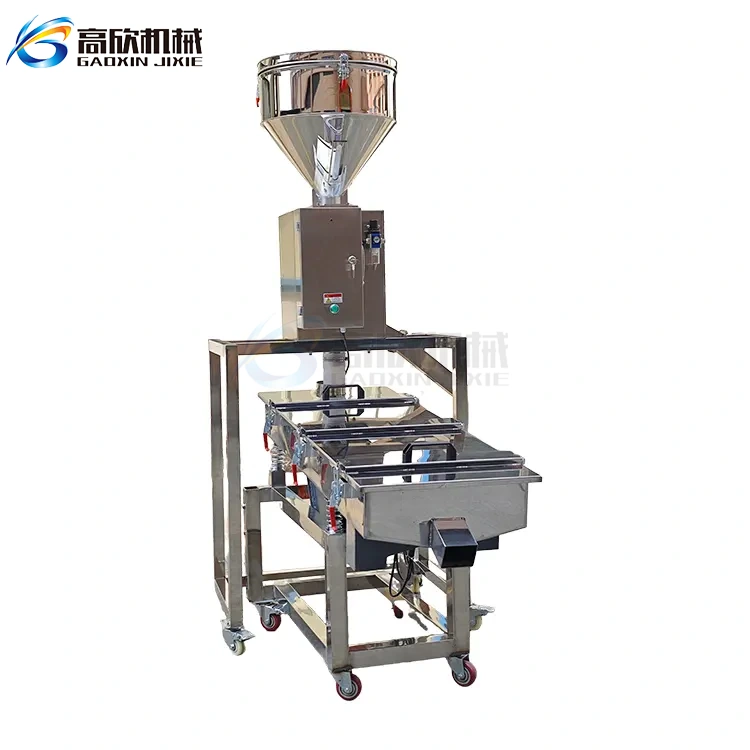
Understanding the Role of Mesh Size
Mesh size refers to the number of openings per linear inch. A finer mesh captures smaller contaminants but reduces throughput, while a coarser mesh increases flow rate but may allow oversized particles to pass. The table below illustrates how mesh size impacts separation outcomes:
| Mesh Size (Mesh Count) | Typical Application | Effect on Throughput | Separation Precision |
|---|---|---|---|
| 10–20 mesh | Coarse screening, plastic recycling | High flow rate | Low precision |
| 30–60 mesh | Food processing, powder coatings | Moderate flow rate | Medium precision |
| 80–200 mesh | Pharmaceutical powders, fine chemicals | Restricted flow rate | High precision |
Selecting the correct mesh size requires balancing production targets with contamination control. A Gaoxin Metal Separator Screen can be customized with interchangeable mesh layers, allowing processors to adapt to varying material characteristics without replacing the entire unit.
Material Selection and Performance
The construction material of a Metal Separator Screen determines its resistance to corrosion, abrasion, and thermal stress. Common materials include:
-
Stainless Steel 304: Suitable for food-grade and general industrial applications where moisture exposure is moderate.
-
Stainless Steel 316/L: Offers superior corrosion resistance for pharmaceutical, chemical, and saltwater environments.
-
Carbon Steel: Cost-effective for dry, non-corrosive bulk materials but requires protective coatings.
-
Titanium or Hastelloy: Reserved for highly corrosive or high-temperature processes in specialized industries.
Gaoxin utilizes grade-certified metals in every Metal Separator Screen, ensuring compliance with FDA, GMP, and CE standards. The right material not only extends screen life but also prevents metallic contamination of the end product.
Synergy Between Mesh Size and Material
Performance is not determined by mesh size or material alone—it is the synergy between them that defines efficiency. A fine mesh made from low-grade steel will rapidly deform under vibration, while a coarse mesh made from overly rigid alloy may crack under thermal cycling. Gaoxin integrates material science with precision weaving to ensure each Metal Separator Screen maintains dimensional stability under continuous operation.
Key factors influenced by this synergy include:
-
Blinding resistance: Proper wire diameter and surface finish reduce particle adhesion.
-
Vibration compatibility: Material elasticity must match the screener’s amplitude to prevent fatigue failure.
-
Cleanability: Smooth, non-porous materials allow rapid sanitation between batches.
Metal Separator Screen FAQ
What mesh size is recommended for removing fine contaminants in food powder applications?
For food powders such as flour, sugar, or protein blends, a mesh size between 60 and 100 mesh is typically recommended. This range effectively removes foreign particles including insect fragments, plastic shards, and agglomerates while maintaining sufficient throughput for continuous production. Gaoxin offers dual-layer Metal Separator Screen configurations where a coarser top layer protects the finer lower mesh from direct impact, significantly extending screen life in food processing environments.
How does material choice affect the longevity of a Metal Separator Screen in high-moisture applications?
In applications involving wash-down cycles, acidic ingredients, or salt-based products, material choice is critical. Stainless Steel 316 offers molybdenum content that resists pitting corrosion far better than 304-grade steel. Gaoxin screens built with 316L material undergo passivation treatments to eliminate surface contaminants, ensuring that the Metal Separator Screen maintains structural integrity for up to three times longer than standard alternatives in wet processing conditions.
Can a Metal Separator Screen be customized for both fine and coarse separation within the same unit?
Yes. Multi-deck Metal Separator Screen systems allow different mesh sizes to be stacked within a single vibratory separator. This enables coarse scalping on the top deck and fine grading on lower decks simultaneously. Gaoxin engineers work with clients to design layered configurations that maximize separation efficiency while minimizing floor space and energy consumption.
Best Practices for Optimal Performance
To maximize return on investment, operators should pair mesh and material selection with routine inspection protocols:
-
Inspect for wear: Replace screens when wire abrasion exceeds 10% of original diameter.
-
Verify tension: Loose screens reduce efficiency and accelerate fatigue.
-
Match cleaning methods: Ultrasonic or brush cleaning should align with material hardness to avoid damaging fine meshes.
Why Industry Leaders Choose Gaoxin
Gaoxin combines decades of metallurgical expertise with application-specific engineering to deliver Metal Separator Screen solutions that outperform generic alternatives. Each screen is woven to tight tolerances, tested under simulated production conditions, and supported by technical teams who understand the complexities of bulk material separation.
Contact Gaoxin today to discuss your application requirements. Our engineers will help you determine the optimal mesh size and material composition for your Metal Separator Screen, ensuring higher yields, lower operating costs, and consistent product quality. Reach out through our website or request a consultation to begin optimizing your separation process.