
How Do You Troubleshoot Common Wrinkling Problems In Three Layer ABA Blown Film Output
2026-02-10
Wrinkles in the final film output are one of the most frequent and frustrating challenges faced by processors. When operating a sophisticated Three Layer ABA Blown Film Machine, these defects not only waste material but also indicate underlying instabilities in the process. For professionals relying on equipment from trusted manufacturers like Mul-Plus, systematic troubleshooting is key to restoring smooth, high-quality production. Wrinkles typically stem from imbalances in airflow, temperature, tension, or calibration. Identifying the correct root cause is the first step toward a solution, ensuring your Mul-Plus line operates at its peak efficiency and delivers the superior film performance its engineering promises.
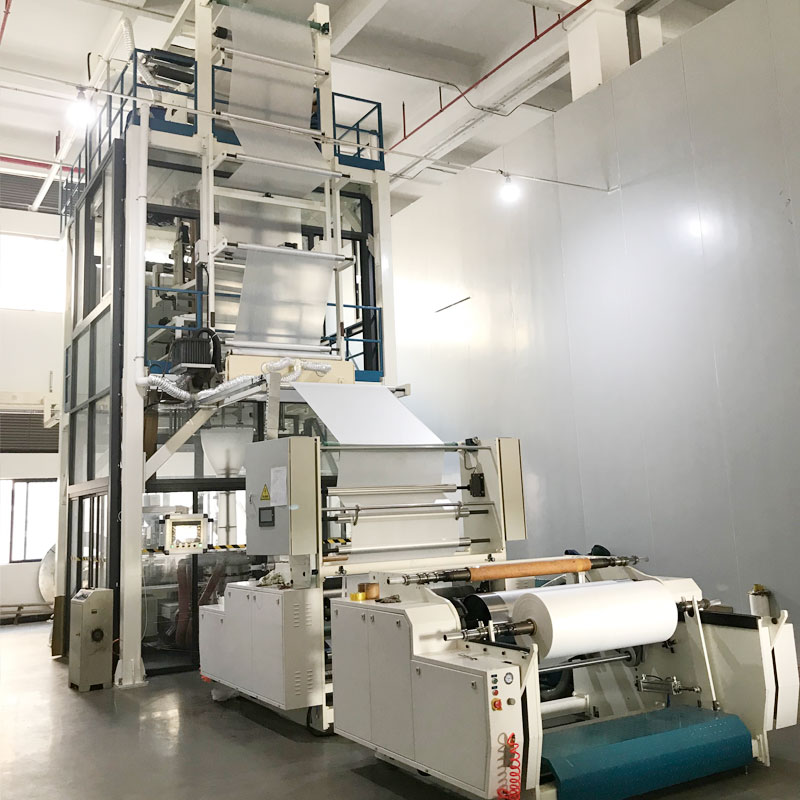
A methodical approach to diagnosing wrinkles involves checking several critical areas of the Three Layer ABA Blown Film Machine.
Primary Areas to Investigate:
-
Bubble Stability & Cooling: Inconsistent or asymmetric air flow from the cooling ring is a prime culprit.
-
Temperature Profiles: Improper heating across the three individual layers can cause uneven melt strength.
-
Nip Roller & Haul-Off Alignment: Misaligned rollers create uneven tension on the collapsing film.
-
Gauge Variation: Severe thickness bands around the bubble will collapse at different rates.
For clarity, common wrinkle types and their typical fixes are summarized below:
| Wrinkle Type & Location | Most Likely Cause | Corrective Action |
|---|---|---|
| Vertical Wrinkles (on the bubble) | Uneven cooling or die temperature | Adjust cooling ring airflow for symmetry; balance die heater zones. |
| Horizontal Wrinkles (after nip rollers) | Misaligned nip or haul-off rollers | Re-align rollers precisely to be parallel and level. |
| Random Wrinkles (throughout film) | Unstable bubble, low melt strength | Optimize blow-up ratio (BUR); review resin selection and melt temperature. |
Three Layer ABA Blown Film Machine FAQ
Q: Why is layer adhesion critical in an ABA structure, and how can it affect wrinkles?
A: Poor interlayer adhesion allows the internal and external skin layers to slip against the core layer during collapsing. This internal slippage can manifest as fine, persistent wrinkles. Ensuring compatible material selection and optimal processing temperatures for each layer in your Three Layer ABA Blown Film Machine is essential for unified, wrinkle-free film.
Q: Can the choice of materials in each ABA layer cause wrinkling issues?
A: Absolutely. If the A and B layer polymers have vastly different melting points or viscosities, they will shrink at different rates as they cool. This differential shrinkage creates internal stresses that often result in wrinkles. Consulting with your Mul-Plus technical team on material compatibility for your specific machine configuration is highly recommended.
Q: How often should calibration and maintenance be performed to prevent recurring wrinkles?
A: Preventive maintenance is crucial. Key components like the die gaps, air rings, and nip assemblies should be inspected and calibrated per the manufacturer's schedule, typically during annual service. Regular checks ensure the long-term stability and output quality of your Three Layer ABA Blown Film Machine.
Persistent wrinkling problems often point to deeper mechanical or process inefficiencies that require expert analysis. If you have systematically checked the common causes and still face challenges, it may be time to seek professional support. The engineers at Mul-Plus possess deep expertise in optimizing Three Layer ABA Blown Film Machine performance. Contact us today for a comprehensive diagnostic review. Let our specialists help you achieve flawless, wrinkle-free film production and maximize your return on investment.