

How Does a Cabin Assy Work and Why It Matters for Your Equipment?
2026-02-10
Article Summary: This article explains what a Cabin Assy is, how it functions, its critical components, common problems and fixes, maintenance recommendations, selection criteria, and customer. Whether you are dealing with heavy machinery, industrial equipment, or specialized vehicles, understanding the Cabin Assy can help reduce downtime, optimize performance, and extend service life.
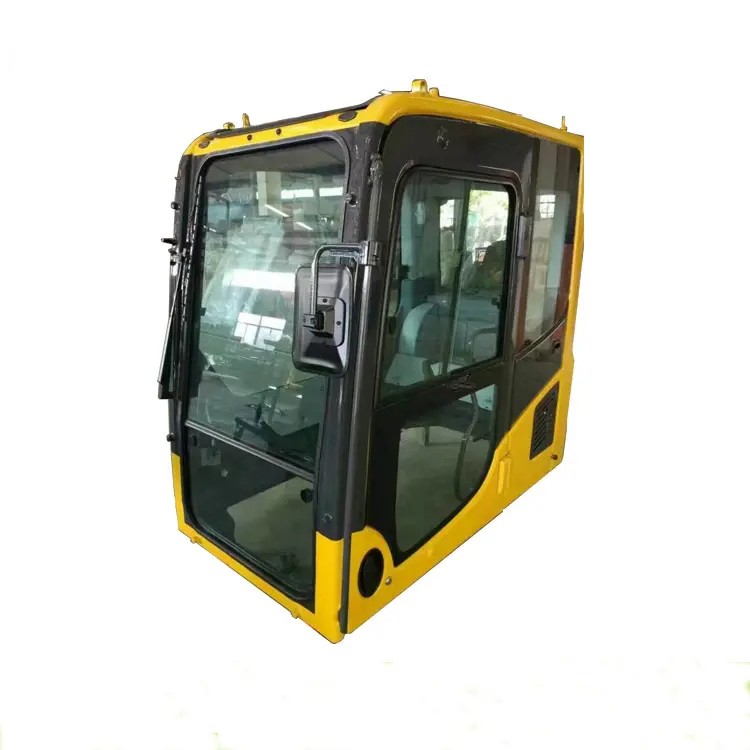
Table of Contents
- What is a Cabin Assy?
- Key Components of a Cabin Assy
- How a Cabin Assy Works
- Common Issues and Troubleshooting
- Routine Maintenance Best Practices
- Guide to Choosing the Right Cabin Assy
- Frequently Asked Questions
What is a Cabin Assy?
The term Cabin Assy (short for Cabin Assembly) refers to a pre-assembled set of structural and functional components that form the operator’s cabin in machinery or specialized vehicles. It provides a controlled environment that houses controls, gauges, seating, safety systems, and operator ergonomics. The Cabin Assy plays a central role in operational efficiency, safety, and comfort.
Definition and Context
A Cabin Assembly is more than just a shell; it integrates safety structures, environmental controls, suspension mounts, and accessory interfaces. Industries that commonly use cabin assemblies include construction equipment, agricultural machinery, mining vehicles, and off-road transportation systems.
- Construction Equipment: Excavators, loaders, graders
- Agricultural Machinery: Tractors, combine harvesters
- Industrial Vehicles: Forklifts, cranes
- Special Vehicles: Emergency response units, mobile work stations
Key Components of a Cabin Assy
A Cabin Assembly includes mechanical, electrical, and comfort-related subsystems. Below is a breakdown of essential elements:
| Component Group | Description |
|---|---|
| Structural Frame | Main welded or bolted frame that supports the cabin and protects the operator |
| Glass and Seals | Windows, windshields, and rubber seals for visibility and protection |
| Control Systems | Steering, pedals, switches, and electronic control units |
| HVAC System | Heating, ventilation, and air conditioning for climate control |
| Noise & Vibration Damping | Insulation materials and mounting bushings that enhance operator comfort |
| Safety Features | ROPS/FOPS, seat belts, emergency exits |
How a Cabin Assy Works
A properly designed Cabin Assembly integrates multiple systems to provide a comfortable and safe operational environment. The following outlines the interaction between its subsystems:
1. Structural Integrity
The structural frame is engineered to withstand load, vibration, and impact. It connects to the chassis and supports all internal elements.
2. Environmental Control
The HVAC system draws power from the vehicle’s electrical or engine-driven systems. Filters, fans, and ducts distribute conditioned air, maintaining temperature and air quality.
3. Control and Feedback Loop
Control systems send electronic or hydraulic signals to actuators and sensors. Real-time feedback ensures accurate movement and responsiveness of critical functions, such as steering and braking.
4. Comfort and Ergonomics
Seats, visibility angles, and control placement are optimized for human factors. Suspension mounts and noise dampers reduce fatigue during long operation hours.
Common Issues and Troubleshooting
Over time, Cabin Assemblies can experience typical points of failure. Below are frequent problems and corrective actions:
- Cracked Frame Components: Inspect welds and reinforcements; consider retightening or replacing cracked parts.
- HVAC Malfunction: Check filters and refrigerant levels; test blower motors and control switches.
- Electrical Failures: Confirm power supply, fuses, and harness connections; replace damaged wiring.
- Excessive Noise and Vibration: Verify insulation integrity; ensure mounts are not worn out.
- Leaks Around Seals: Replace worn rubber seals to prevent water ingress and dust penetration.
Routine Maintenance Best Practices
Preventive maintenance enhances performance and extends service life. Recommended practices include:
- Scheduled Inspections: Inspect all critical systems at regular intervals (daily, weekly, monthly).
- Cleaning: Keep HVAC ducts, filters, and interior surfaces clean to maintain air quality and visibility.
- Lubrication: Apply appropriate lubricants to moving parts and hinges to reduce wear.
- Environmental Protection: Park equipment under shade or shelter when possible to reduce sun and moisture exposure.
- Documentation: Record all service actions for trend analysis and future reference.
Guide to Choosing the Right Cabin Assy
Selecting a proper Cabin Assembly involves evaluating fit, performance, durability, and support services. Consider the following criteria:
- Compatibility: Confirm dimensional and interface compatibility with your machinery model.
- Material Quality: Choose corrosion-resistant metals and durable seals.
- Manufacturer Support: Prioritize suppliers with service documentation, parts availability, and technical assistance.
- User Comfort: Assess ergonomic layout, HVAC capacity, and noise reduction measures.
- Safety Standards: Ensure compliance with ROPS/FOPS certifications when applicable.
Making an informed selection reduces the risk of premature failure and enhances operational productivity.
Frequently Asked Questions
Q: What types of machinery use a Cabin Assy?
A: Cabin Assemblies are used in construction equipment, agricultural vehicles, industrial vehicles, and specialized mobile platforms that require operator protection, climate control, and ergonomic controls.
Q: How often should I service my Cabin Assy components?
A: It depends on usage intensity, but regular monthly inspections and seasonal HVAC checks are recommended. Daily pre-operation checks are also beneficial.
Q: What are signs that a Cabin Assy needs immediate repair?
A: Visible frame cracks, major HVAC failures, water leaks, loss of control responsiveness, and damaged safety features indicate urgent repair needs.
Q: Can I install a Cabin Assy myself?
A: Installation requires mechanical alignment, electrical connections, and safety validation. It’s best performed by trained technicians to ensure compliance with safety and performance standards.