

How Does a Pig Farm Biogas Generator Set Handle Hydrogen Sulfide Corrosion
2026-04-02
Hydrogen sulfide (H₂S) is one of the most destructive elements in biogas operations. For any Pig Farm Biogas Generator Set, managing this corrosive gas is not merely a maintenance concern—it is a fundamental requirement for protecting engine components, ensuring operational uptime, and safeguarding return on investment. When manure from swine operations undergoes anaerobic digestion, the resulting biogas typically contains hydrogen sulfide concentrations ranging from 500 to 4,000 parts per million (ppm). Without strategic intervention, this acidic gas rapidly degrades internal engine parts, oil quality, and electrical systems. Kecheng has engineered specialized solutions that address this challenge through a combination of pre-treatment technologies, material science, and proactive maintenance protocols.
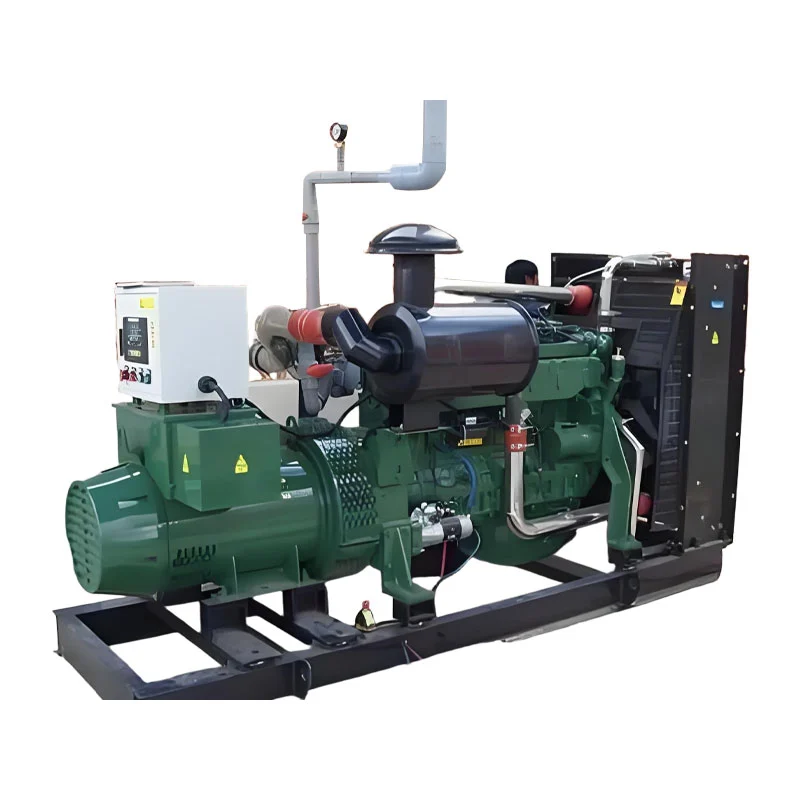
The Corrosion Mechanism
Hydrogen sulfide poses a dual threat. In its gaseous state, it reacts with moisture to form sulfuric acid, which corrodes ferrous metals. During combustion, sulfur converts to sulfur dioxide and further oxidizes to sulfuric acid, attacking cylinder liners, piston rings, valve seats, and exhaust systems. For a Pig Farm Biogas Generator Set, the consequences manifest as accelerated oil degradation, increased wear metals in lubricants, and premature component failure.
Pre-Treatment Strategies
Effective corrosion control begins before biogas enters the generator. Kecheng integrates multi-stage gas treatment systems designed specifically for swine biogas applications.
| Treatment Stage | Method | Typical H₂S Reduction |
|---|---|---|
| Primary | Biological desulfurization with controlled oxygen injection | 80–90% |
| Secondary | Activated carbon filtration with impregnated media | 95–99% |
| Tertiary | Iron oxide or iron sponge polishing | 99.5%+ |
Material Engineering and Design Features
Beyond gas cleaning, the generator set itself must be built to withstand residual contaminants. Kecheng employs several engineering controls:
-
Hardened valve seats and stellite-faced valves resist acid erosion during high-temperature combustion
-
Corrosion-resistant coatings applied to internal oil passages and crankcase surfaces
-
High-alkalinity engine oil formulated to neutralize acidic combustion byproducts
-
Stainless steel exhaust components to prevent premature failure in post-combustion systems
Operational Monitoring and Maintenance
A comprehensive corrosion management program relies on continuous monitoring. Kecheng recommends oil analysis intervals of 250 operating hours for swine biogas applications, with specific attention to total acid number (TAN) and wear metals such as iron, copper, and lead. Regular borescope inspections of cylinder walls and valve faces provide visual confirmation of internal conditions.
Pig Farm Biogas Generator Set FAQ
What hydrogen sulfide concentration is considered safe for a Pig Farm Biogas Generator Set?
Most generator manufacturers specify a maximum inlet H₂S concentration between 50 and 200 ppm for reliable long-term operation. However, Kecheng units equipped with advanced pre-treatment systems can safely operate with inlet concentrations up to 1,500 ppm while maintaining standard maintenance intervals. The key factor is the combined effectiveness of biological desulfurization followed by polishing filtration. For swine farms with exceptionally high H₂S levels above 3,000 ppm, Kecheng recommends adding a chemical scrubbing stage to reduce the load on the generator and preserve component life beyond 40,000 operating hours.
How does oil selection affect corrosion resistance in a Pig Farm Biogas Generator Set
Oil formulation is critical in neutralizing the acids produced during combustion. Kecheng requires the use of high-alkalinity natural gas engine oils with a total base number (TBN) of at least 12 mg KOH/g for swine biogas applications. Conventional diesel engine oils lack sufficient acid-neutralizing capacity and will rapidly degrade, leading to sludge formation and bearing corrosion. Oil analysis should monitor TBN depletion; when TBN falls below 50% of the original value, the oil must be changed regardless of operating hours. Kecheng provides detailed oil specification guidelines and partners with major lubricant suppliers to ensure compatibility with swine biogas chemistry.
What are the signs that hydrogen sulfide corrosion is affecting my Pig Farm Biogas Generator Set
Early indicators include a sharp increase in oil consumption, rising vibration levels, difficulty starting, and elevated iron content in oil analysis results exceeding 50 ppm per 250 operating hours. Visually, operators may notice gray sludge on valve covers or a distinct rotten egg odor in the engine room, which indicates incomplete gas treatment or leaks. Kecheng recommends immediate inspection if any of these signs appear, as continued operation can result in catastrophic engine failure. A proactive approach using Kecheng remote monitoring systems allows real-time tracking of key parameters including combustion stability and exhaust backpressure, enabling early detection before physical damage occurs.
Economic Justification for Corrosion Control
Investing in comprehensive H₂S management yields measurable returns. A Pig Farm Biogas Generator Set operating without adequate corrosion control may require major overhaul every 8,000 to 12,000 hours. With Kecheng integrated treatment systems and corrosion-resistant design, overhaul intervals extend beyond 40,000 hours. The cost savings in parts, labor, and avoided downtime typically recover the initial investment in gas treatment equipment within 12 to 18 months.
Conclusion
Hydrogen sulfide corrosion represents a manageable challenge when addressed through systematic design, proper gas treatment, and disciplined maintenance. Kecheng delivers complete solutions tailored to swine operations, combining robust generator engineering with customized biogas pre-treatment systems that protect assets and maximize energy recovery.
For farms seeking to optimize their biogas-to-energy systems, understanding the interplay between gas quality and generator durability is essential. The technologies and practices outlined above provide a proven pathway to reliable, long-term operation.
Contact us today to schedule a site evaluation or discuss how a Kecheng Pig Farm Biogas Generator Set can be configured to meet your specific gas conditions and operational goals. Our engineering team provides free initial assessments and performance projections based on your manure volume, digester type, and energy requirements.