

How Does a Receiving Scale Improve Warehouse Accuracy and Efficiency?
2026-04-21
Abstract: Receiving errors cost businesses time, money, and customer trust. A receiving scale is more than a weighing device—it is a frontline control system that ensures inbound goods are accurate, verified, and properly documented. This article explains how receiving scales work, how they solve common warehouse pain points, and how to choose the right solution for your operation.
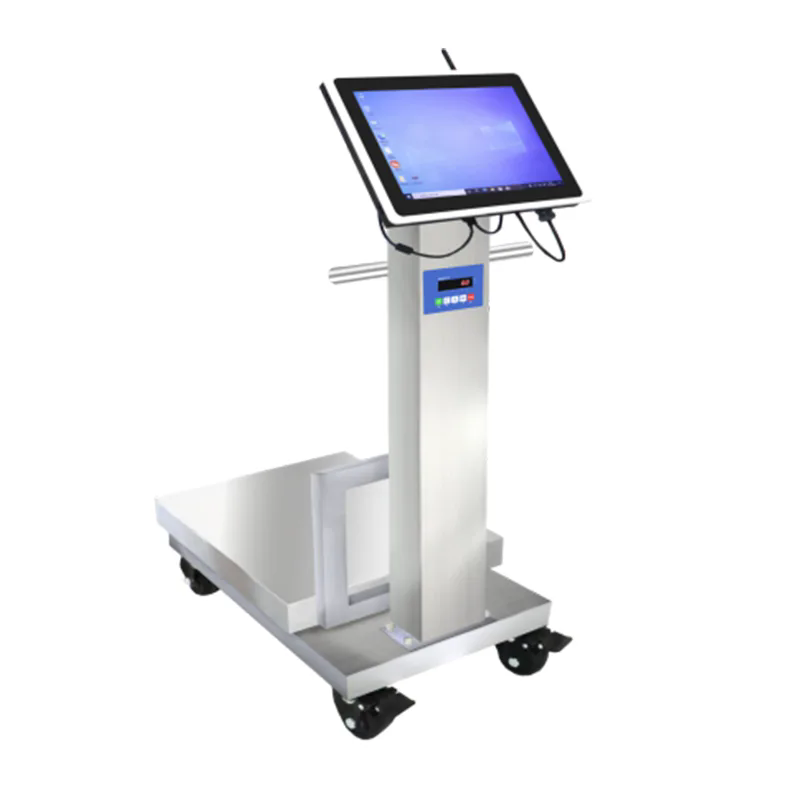
Table of Contents
- 1. What Is a Receiving Scale?
- 2. Common Receiving Challenges
- 3. How a Receiving Scale Works
- 4. Key Benefits for Your Warehouse
- 5. Must-Have Features
- 6. Comparison of Receiving Scale Types
- 7. How to Choose the Right Receiving Scale
- 8. Implementation Best Practices
- 9. Frequently Asked Questions
1. What Is a Receiving Scale?
A receiving scale is an industrial weighing system used at the inbound stage of logistics operations. It verifies shipment weight against purchase orders, packing lists, or shipping documents. These scales are typically integrated with warehouse management systems (WMS) or enterprise resource planning (ERP) software, enabling automated data capture and real-time validation.
Unlike standard weighing devices, receiving scales are engineered for durability, high throughput, and seamless data communication. They often include barcode scanners, label printers, and digital interfaces to streamline receiving workflows.
2. Common Receiving Challenges
Many warehouses struggle with inefficiencies and inaccuracies during the receiving process. These issues often result in downstream operational problems.
- Manual Data Entry Errors: Incorrect input leads to inventory mismatches.
- Unverified Shipments: Discrepancies between ordered and received quantities go unnoticed.
- Time-Consuming Processes: Manual weighing and documentation slow down throughput.
- Lack of Traceability: Difficulty tracking inbound goods affects accountability.
- Overloaded Staff: High volume operations strain human resources.
These pain points directly impact operational efficiency, customer satisfaction, and profitability.
3. How a Receiving Scale Works
The functionality of a receiving scale revolves around precise measurement and data synchronization. Here is a simplified workflow:
- Goods arrive at the receiving dock.
- Items or pallets are placed on the receiving scale.
- The scale captures weight data instantly.
- Barcode scanning identifies the shipment.
- The system compares measured weight with expected values.
- Discrepancies trigger alerts or hold actions.
- Verified data is recorded in the system automatically.
This process eliminates guesswork and ensures consistent accuracy across operations.
4. Key Benefits for Your Warehouse
- Improved Accuracy: Automated verification reduces human error.
- Faster Processing: Streamlined workflows increase throughput.
- Cost Reduction: Minimizes losses due to discrepancies or returns.
- Enhanced Visibility: Real-time data improves decision-making.
- Compliance Assurance: Ensures adherence to shipping and receiving standards.
Organizations that implement receiving scales often report measurable gains in efficiency and inventory reliability.
5. Must-Have Features
When evaluating a receiving scale, consider the following essential features:
- High Precision Sensors: Accurate weight measurement under heavy loads.
- Digital Integration: Compatibility with WMS/ERP systems.
- Durable Construction: Suitable for industrial environments.
- User-Friendly Interface: Simplifies operation for staff.
- Connectivity Options: USB, Ethernet, or wireless communication.
- Overload Protection: Prevents damage during heavy usage.
6. Comparison of Receiving Scale Types
| Type | Capacity | Best Use Case | Advantages |
|---|---|---|---|
| Bench Scale | Up to 150 kg | Small packages | Compact, cost-effective |
| Floor Scale | Up to 3000 kg | Pallets and bulk goods | High capacity, durable |
| Pallet Jack Scale | Up to 2000 kg | Mobile weighing | Portable, efficient |
| Conveyor Scale | Variable | Automated lines | Continuous operation |
7. How to Choose the Right Receiving Scale
Selecting the right solution depends on your operational requirements. Consider the following factors:
- Load Capacity: Match the scale to your heaviest shipments.
- Accuracy Requirements: Higher precision for sensitive goods.
- Environment: Indoor vs. outdoor usage conditions.
- Integration Needs: Compatibility with existing systems.
- Mobility: Fixed or portable solutions based on workflow.
A well-matched receiving scale ensures long-term performance and ROI.
8. Implementation Best Practices
To maximize the value of your receiving scale, follow these implementation guidelines:
- Train staff thoroughly on operation and maintenance.
- Integrate the scale with digital systems for automation.
- Calibrate regularly to maintain accuracy.
- Position the scale strategically to avoid workflow disruption.
- Monitor performance metrics to identify improvements.
Proper deployment is as critical as the equipment itself.
9. Frequently Asked Questions
Q1: Can a receiving scale integrate with my existing system?
Yes, most modern receiving scales support integration with WMS and ERP platforms.
Q2: How often should calibration be performed?
Calibration frequency depends on usage, but typically every 3–6 months is recommended.
Q3: What industries benefit most from receiving scales?
Logistics, manufacturing, retail distribution, and e-commerce operations benefit significantly.
Q4: Are receiving scales suitable for outdoor use?
Yes, many models are designed with weather-resistant features.
Q5: How does a receiving scale reduce costs?
By preventing errors, reducing returns, and improving efficiency, it lowers operational expenses.
Conclusion
A receiving scale is a critical investment for any operation that values accuracy, efficiency, and accountability. By addressing common receiving challenges and integrating seamlessly into workflows, it transforms inbound logistics into a controlled and optimized process.
For businesses looking to upgrade their receiving operations, J-sky offers reliable and high-performance receiving scale solutions tailored to industrial needs. Explore advanced options and improve your workflow today—J-sky contact us to get expert guidance and customized solutions.