Compressed air systems are essential in manufacturing, automotive production, food processing, pharmaceuticals, and many other industries. However, untreated compressed air often contains moisture that can damage equipment, contaminate products, and increase maintenance costs. A refrigerated air dryer is one of the most effective solutions for removing water vapor from compressed air lines. In this article, we explain how refrigerated air dryers work, why they matter, and how businesses can select the right system for long-term operational reliability.
1. What Is a Refrigerated Air Dryer?
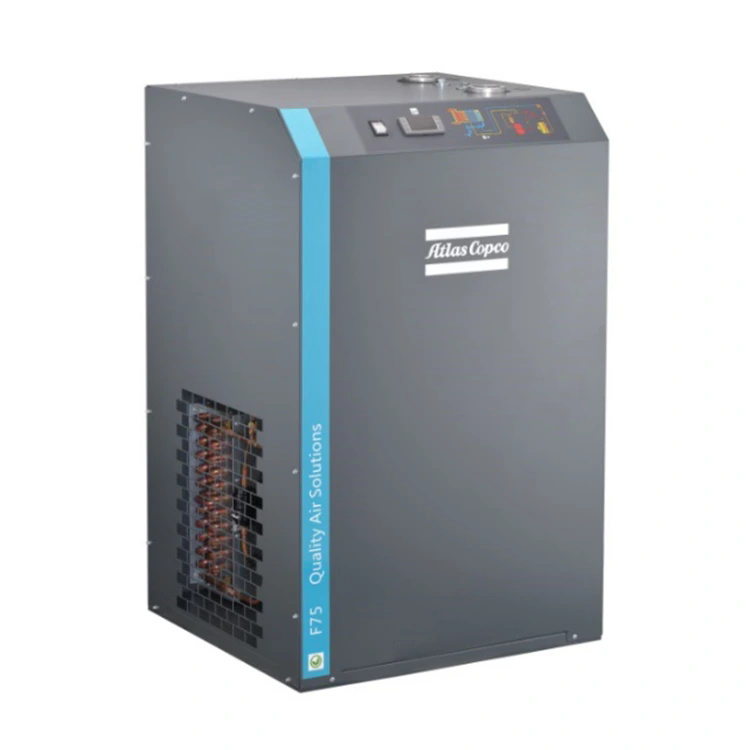
A refrigerated air dryer is a compressed air treatment device designed to remove moisture from compressed air by cooling it to a low temperature, typically around 3°C (37.4°F). As the air cools, water vapor condenses into liquid form and is separated from the air stream before reaching downstream equipment.
This process protects pneumatic systems from rust, corrosion, freezing, and premature wear. For factories operating continuously, moisture-free air is not optional—it is essential for stable productivity.
2. How Does a Refrigerated Air Dryer Work?
The drying process involves several coordinated stages:
|
Stage
|
Function
|
|
Pre-Cooling
|
Incoming hot compressed air exchanges heat with outgoing cooled air.
|
|
Refrigeration Cooling
|
Air is cooled to dew point temperature, causing moisture condensation.
|
|
Water Separation
|
Condensed liquid water is removed through a separator and drain valve.
|
|
Reheating
|
Dry air is reheated slightly to prevent pipeline condensation.
|
By maintaining a stable dew point, refrigerated air dryers ensure consistent air quality in most industrial environments.
3. Why Moisture Removal Is Critical
Moisture in compressed air creates hidden but expensive operational risks:
-
Corrosion inside pipes and valves
-
Rust damage in pneumatic cylinders
-
Product contamination in sensitive manufacturing
-
Instrument malfunction and inaccurate controls
-
Increased downtime and repair expenses
Without a refrigerated air dryer, even a high-performance compressor system can suffer severe efficiency losses.
4. Key Benefits of Refrigerated Air Dryers
A quality refrigerated air dryer provides measurable operational advantages:
-
Reliable moisture control for daily industrial use
-
Lower equipment maintenance frequency
-
Extended compressor and tool lifespan
-
Reduced pipeline corrosion
-
Stable pressure performance across production lines
-
Energy-efficient drying compared with alternative systems
For many manufacturers, refrigerated models offer the ideal balance between performance and operating cost.
5. Common Industrial Applications
Refrigerated air dryers are widely used in:
-
Automotive assembly plants
-
Metal fabrication workshops
-
Textile manufacturing facilities
-
Food packaging lines
-
Electronics production plants
-
General factory compressed air networks
Industries requiring standard dry compressed air often choose refrigerated systems because they are cost-effective and dependable.
6. How to Choose the Right Refrigerated Air Dryer
Selecting the correct unit depends on several technical factors:
|
Factor
|
Why It Matters
|
|
Air Flow Capacity
|
Must match compressor output volume.
|
|
Operating Pressure
|
Ensures compatibility with plant system pressure.
|
|
Ambient Temperature
|
Affects cooling efficiency.
|
|
Dew Point Requirement
|
Determines moisture removal level needed.
|
|
Drain System Type
|
Automatic drains reduce manual labor.
|
Dechuan Compressor offers engineered refrigerated air dryer solutions tailored to diverse industrial requirements, combining durability, stable dew point control, and energy-conscious operation.
For product details, visit: https://www.dechuancompressor.com/refrigerated-air-dryer.html
7. Maintenance Best Practices
To keep performance optimal, follow these maintenance guidelines:
-
Inspect condensate drains regularly
-
Clean heat exchangers periodically
-
Check refrigerant pressure levels
-
Replace clogged filters on schedule
-
Monitor dew point consistency
-
Inspect electrical controls for faults
Routine preventive maintenance minimizes downtime and preserves drying efficiency.
8. FAQ
Q1: What dew point does a refrigerated air dryer typically achieve?
Most units maintain a pressure dew point around 3°C, suitable for standard industrial applications.
Q2: Can refrigerated air dryers remove oil contaminants?
No. They mainly remove water vapor. Oil removal requires filters or additional treatment equipment.
Q3: How often should maintenance be performed?
Basic inspections should occur monthly, with full servicing based on operating hours and manufacturer recommendations.
Q4: Is a refrigerated air dryer suitable for all industries?
They are ideal for most industrial uses, though ultra-dry applications may require desiccant dryers.
Conclusion
A refrigerated air dryer is a vital component in protecting compressed air systems from moisture-related damage. By improving air quality, reducing maintenance costs, and extending equipment lifespan, it delivers long-term operational value across many industries.
If your business is looking for dependable compressed air drying solutions, Dechuan Compressor is ready to help. Contact us today to find the right refrigerated air dryer for your system and improve the efficiency of your entire air network.