

How Does a Wall-mounted Active Harmonic Filter Improve Power Quality in Modern Electrical Systems?
2026-03-13
Modern electrical systems rely heavily on power electronics, variable frequency drives, switching power supplies, and other nonlinear loads. While these technologies improve efficiency and automation, they also introduce harmonic distortion into the power grid. Excessive harmonics can lead to overheating equipment, increased energy losses, unexpected shutdowns, and reduced equipment lifespan.
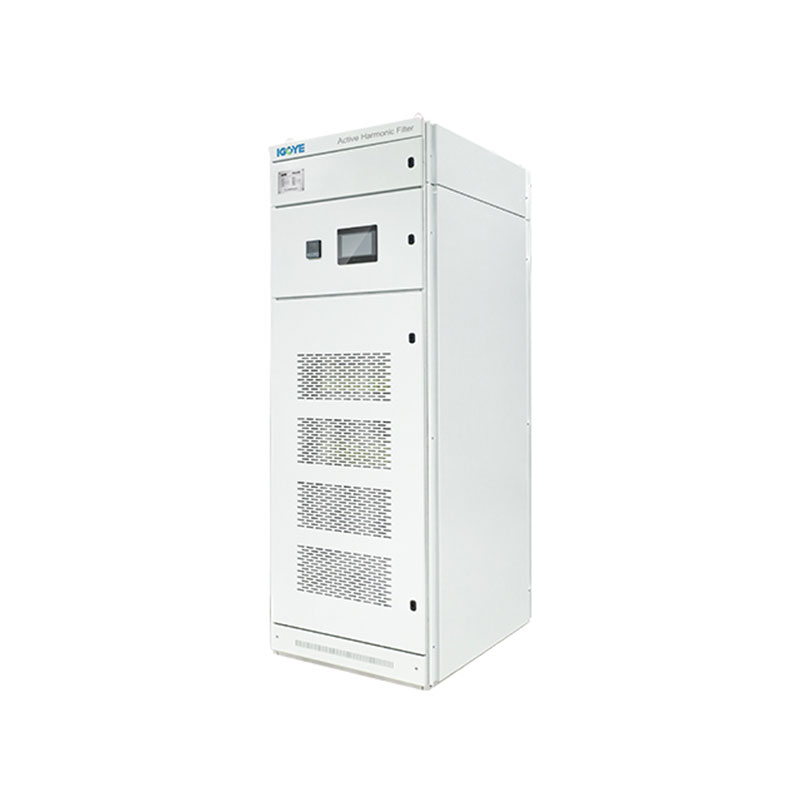
A Wall-mounted Active Harmonic Filter is an advanced power quality solution designed to detect, analyze, and eliminate harmonic currents in real time. By dynamically compensating for harmonic distortion, this device ensures stable electrical performance and improves overall system reliability.
Article Summary
This article explains how a Wall-mounted Active Harmonic Filter works, why harmonics are harmful, and how installing this device can significantly improve power quality in industrial and commercial electrical systems. It also explores key features, benefits, installation considerations, and common questions customers often have before purchasing harmonic filtering equipment.
Table of Contents
- Introduction to Harmonics in Electrical Systems
- What Is a Wall-mounted Active Harmonic Filter
- How a Wall-mounted Active Harmonic Filter Works
- Main Components of an Active Harmonic Filter
- Key Advantages of Wall-mounted Installation
- Typical Application Scenarios
- Product Technical Parameters
- How to Choose the Right Harmonic Filter
- Frequently Asked Questions
- Conclusion
Introduction to Harmonics in Electrical Systems
In modern power systems, nonlinear electrical loads draw current in abrupt pulses instead of smooth sinusoidal waves. These irregular currents create harmonics, which are voltage or current waveforms at multiples of the fundamental frequency.
Common equipment that generates harmonics includes:
- Variable frequency drives
- Industrial automation equipment
- UPS power systems
- LED lighting drivers
- Switching power supplies
- Elevators and HVAC systems
If harmonic distortion is not properly controlled, it can cause multiple operational problems:
- Overheating transformers and cables
- Tripping of circuit breakers
- Reduced efficiency of electrical equipment
- Interference with communication systems
- Premature failure of motors and capacitors
This is why more facilities are adopting advanced harmonic mitigation solutions such as Wall-mounted Active Harmonic Filters.
What Is a Wall-mounted Active Harmonic Filter
A Wall-mounted Active Harmonic Filter is a compact power quality device designed to eliminate harmonic distortion from electrical systems by injecting compensating currents into the power network.
Unlike passive filters that rely on fixed capacitor and inductor combinations, active harmonic filters use digital control technology and power electronics to monitor harmonics in real time and instantly generate reverse harmonic currents that cancel distortion.
Because the unit is mounted directly on the wall near distribution cabinets or load centers, it provides efficient harmonic suppression without occupying valuable floor space.
How a Wall-mounted Active Harmonic Filter Works
The working principle of an active harmonic filter involves real-time monitoring, signal analysis, and harmonic compensation.
The process typically includes the following steps:
- Current sensors continuously monitor load current from the electrical system.
- The digital controller analyzes the waveform and identifies harmonic components.
- The system calculates the required compensating current.
- An inverter generates reverse harmonic currents.
- The compensating current is injected back into the power grid.
- Harmonic distortion is effectively canceled.
Through this dynamic process, the system can maintain stable power quality even when load conditions change frequently.
Main Components of an Active Harmonic Filter
A high-quality Wall-mounted Active Harmonic Filter typically consists of several key components:
- Current transformer sensors
- Digital signal processor controller
- Power electronic inverter module
- IGBT switching devices
- Cooling system
- Monitoring interface
Together, these components allow the system to detect harmonic currents and respond within milliseconds.
Key Advantages of Wall-mounted Installation
Compared with large cabinet-based systems, wall-mounted harmonic filters provide several practical advantages.
- Space-saving design
- Easy installation
- Flexible capacity expansion
- Lower infrastructure cost
- Convenient maintenance access
For commercial buildings, factories, and data centers where space is limited, this compact installation method provides a practical solution.
Typical Application Scenarios
Wall-mounted Active Harmonic Filters are widely used across many industries where electrical loads generate significant harmonic distortion.
- Manufacturing factories
- Commercial office buildings
- Hospitals and medical facilities
- Data centers
- Shopping malls
- Renewable energy systems
- Transportation infrastructure
These environments require stable power quality to ensure equipment reliability and operational efficiency.
Product Technical Parameters
| Product Type | Wall-mounted Active Harmonic Filter |
| Rated Voltage | 380V / 400V / 480V |
| Frequency | 50Hz / 60Hz |
| Harmonic Compensation Range | 2nd – 50th harmonic order |
| Response Time | Less than 10 ms |
| Installation Method | Wall-mounted |
| Cooling Method | Forced air cooling |
| Protection Level | IP20 / Optional higher protection |
How to Choose the Right Harmonic Filter
Selecting the correct harmonic filtering solution requires careful evaluation of several technical factors.
- Total harmonic distortion level
- Load characteristics
- Electrical system capacity
- Future expansion requirements
- Installation environment
A professional manufacturer such as GEYA can provide customized solutions based on load analysis and system design requirements. By analyzing harmonic sources and power quality data, engineers can determine the appropriate filter capacity and installation method.
Proper sizing ensures that the filter provides optimal harmonic mitigation without unnecessary equipment costs.
Frequently Asked Questions
What is the difference between active and passive harmonic filters?
Passive filters use fixed inductors and capacitors tuned to specific harmonic frequencies. Active filters dynamically detect and compensate for harmonics across a wide frequency range, making them more flexible and effective in systems with varying loads.
Can a wall-mounted harmonic filter work with multiple loads?
Yes. A properly sized filter installed at the distribution panel can compensate harmonics generated by multiple nonlinear loads within the electrical system.
Does the filter improve energy efficiency?
By reducing harmonic losses and preventing overheating in cables and transformers, active harmonic filters help improve the overall efficiency and reliability of electrical systems.
Is installation complicated?
Wall-mounted units are designed for straightforward installation near distribution cabinets. With proper electrical integration and configuration, the system can begin harmonic compensation immediately after commissioning.
Conclusion
Harmonic distortion is a growing challenge in modern electrical systems due to the widespread use of nonlinear electronic equipment. Without proper control, harmonics can significantly reduce equipment lifespan, increase energy losses, and disrupt system stability.
A Wall-mounted Active Harmonic Filter offers an intelligent and efficient solution by dynamically detecting and canceling harmonic currents in real time. Its compact design, flexible installation, and advanced digital control technology make it an ideal choice for modern power distribution systems.
As a trusted power quality solution provider, GEYA delivers reliable harmonic filtering technologies designed to improve electrical stability and operational efficiency across industrial and commercial applications.
If you are looking for a professional solution to eliminate harmonic distortion and improve power quality, contact us today to learn more about our advanced Wall-mounted Active Harmonic Filter solutions and how they can benefit your electrical system.