

How Does a Water Chiller Improve Industrial Efficiency?
2026-03-30
Summary: Water chillers are essential equipment for industries requiring precise temperature control. This article explores their working principles, benefits, selection guidelines, maintenance tips, and common issues. Whether you are in manufacturing, food processing, or HVAC systems, understanding water chillers can optimize operations, reduce energy costs, and extend equipment lifespan.
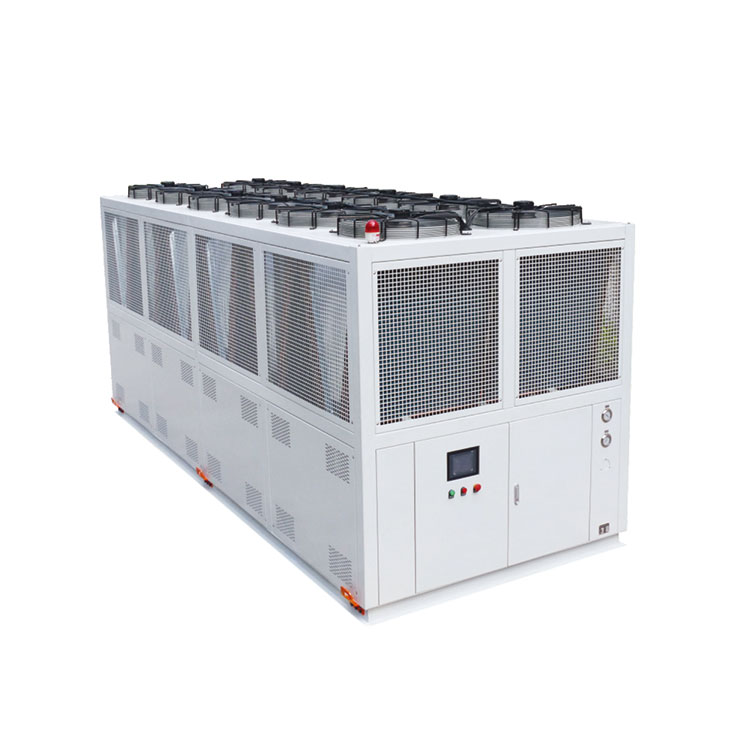
Table of Contents
- What is a Water Chiller?
- How Water Chillers Work
- Benefits of Using Water Chillers
- Types of Water Chillers
- How to Choose the Right Water Chiller
- Maintenance Tips for Water Chillers
- Common Problems and Solutions
- FAQ
What is a Water Chiller?
A water chiller is a machine designed to remove heat from liquids, typically water, for cooling purposes in industrial and commercial processes. The cooled water is then circulated through heat exchangers to lower temperatures in machinery, manufacturing processes, or air conditioning systems.
Industries such as plastic molding, pharmaceuticals, laser cutting, and food processing rely heavily on water chillers to maintain stable operating conditions and prevent overheating.
How Water Chillers Work
Water chillers operate on a refrigeration cycle. Here’s a simplified breakdown of the process:
- Evaporation: The refrigerant absorbs heat from the water, lowering the water temperature.
- Compression: The refrigerant is compressed, increasing its pressure and temperature.
- Condensation: Heat from the refrigerant is released to the air or cooling tower.
- Expansion: The refrigerant pressure drops, allowing it to absorb heat again from the water.
This continuous cycle ensures efficient heat transfer and precise temperature control.
Benefits of Using Water Chillers
Installing a water chiller provides multiple advantages for industrial operations:
- Consistent Temperature: Maintains optimal operating conditions, improving product quality.
- Energy Efficiency: Reduces overall energy consumption compared to traditional cooling methods.
- Equipment Longevity: Prevents overheating, extending the life of machinery.
- Process Optimization: Ensures precise temperature control for sensitive processes.
Types of Water Chillers
Water chillers are generally categorized into two main types:
| Type | Description | Best For |
|---|---|---|
| Air-Cooled Chillers | Uses fans to dissipate heat from the refrigerant into the surrounding air. | Small to medium facilities, outdoor installations. |
| Water-Cooled Chillers | Uses water from a cooling tower to remove heat from the refrigerant. | Large industrial facilities requiring high cooling capacity. |
How to Choose the Right Water Chiller
Selecting the right water chiller involves evaluating several factors:
- Cooling Capacity: Determine the total heat load your system generates.
- Temperature Requirements: Specify the desired outlet water temperature.
- Space and Installation: Choose between air-cooled or water-cooled depending on space and environment.
- Efficiency Ratings: Look for energy-efficient models to reduce operational costs.
- Reliability and Support: Consider manufacturers like Niasi for quality products and responsive service.
Maintenance Tips for Water Chillers
Regular maintenance ensures peak performance and prevents costly downtime:
- Inspect refrigerant levels and refill if necessary.
- Clean condenser and evaporator coils to maintain heat transfer efficiency.
- Check pumps, fans, and valves for wear and tear.
- Monitor water quality to prevent scaling or corrosion.
- Schedule annual professional inspection for system optimization.
Common Problems and Solutions
Despite their robustness, water chillers may encounter issues. Below are typical problems and how to address them:
| Problem | Possible Cause | Solution |
|---|---|---|
| Insufficient Cooling | Low refrigerant, dirty coils, or clogged filters | Refill refrigerant, clean coils, replace filters |
| High Energy Consumption | Improper sizing or poor maintenance | Check system design, perform routine maintenance |
| Water Leaks | Loose fittings or corroded pipes | Tighten fittings, replace damaged components |
FAQ
-
Q: Can a water chiller be used in extreme temperatures?
A: Yes, but ensure the chiller model is rated for your specific ambient conditions. -
Q: How often should the water chiller be serviced?
A: Routine checks monthly, with professional servicing annually. -
Q: What industries benefit most from water chillers?
A: Manufacturing, plastics, food processing, laser equipment, and HVAC systems.
Choosing the right water chiller can transform industrial efficiency. Niasi offers reliable, high-performance water chillers suitable for a wide range of applications.For tailored solutions and inquiries, contact us now to speak with our experts.