

How Does an Automatic Packaging Machine Improve Modern Packaging Efficiency?
2026-08-18
Article Summary
In today's competitive manufacturing environment, companies are under increasing pressure to improve productivity, reduce operational costs, and maintain consistent product quality. An Automatic Packaging Machine has become an essential solution for businesses that need faster, safer, and more accurate packaging processes. By replacing repetitive manual operations with automated systems, these machines help manufacturers increase output while reducing labor dependency and material waste.
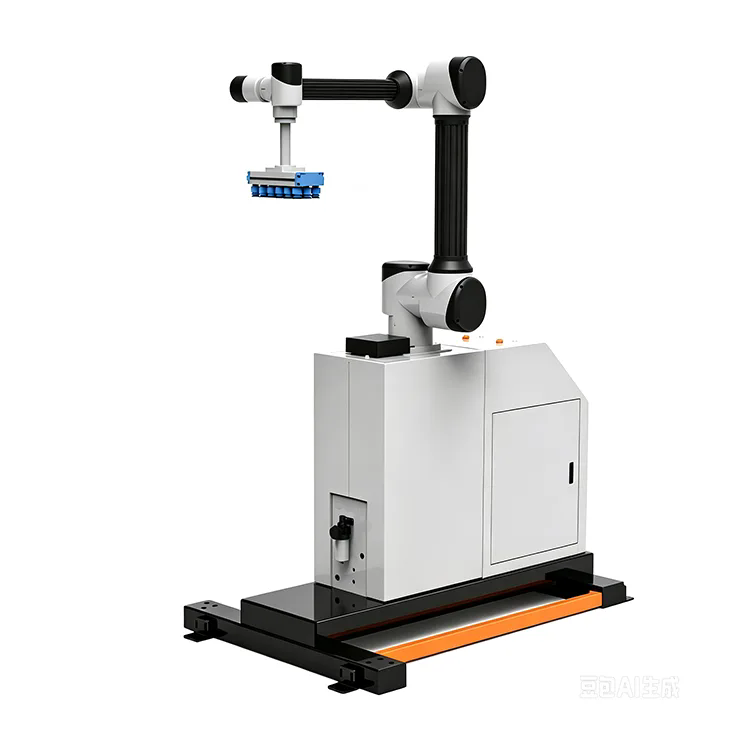
This article explains how an Automatic Packaging Machine works, why it is important for different industries, what challenges businesses face during packaging operations, and how Soonwell provides reliable packaging automation solutions designed to meet modern production requirements.
Table of Contents
- Why Is an Automatic Packaging Machine Important for Businesses?
- How Does an Automatic Packaging Machine Work?
- What Advantages Can an Automatic Packaging Machine Bring?
- How to Choose the Right Automatic Packaging Machine?
- Why Choose Soonwell for Packaging Automation Solutions?
- Automatic Packaging Machine vs Traditional Packaging Methods
- Frequently Asked Questions
Why Is an Automatic Packaging Machine Important for Businesses?
Packaging is one of the most important stages in the manufacturing and supply chain process. A product may have excellent quality, but inefficient packaging can increase production costs, slow down delivery schedules, and affect customer satisfaction.
Traditional packaging methods often rely heavily on manual labor. Workers need to measure, fill, seal, wrap, or label products repeatedly. This process can create several challenges, including inconsistent packaging quality, higher labor expenses, slower production speed, and increased chances of human errors.
An Automatic Packaging Machine solves these problems by integrating advanced mechanical systems, sensors, control technology, and intelligent operating processes. It allows manufacturers to complete packaging tasks continuously with higher accuracy and stability.
For industries such as food processing, pharmaceuticals, chemicals, daily products, electronics, and industrial goods, automated packaging equipment provides a practical way to achieve reliable production performance.
How Does an Automatic Packaging Machine Work?
An Automatic Packaging Machine completes multiple packaging procedures through coordinated systems. Although machine designs vary depending on product requirements, most automatic packaging solutions include several core working steps.
| Working Process | Main Function | Benefits |
|---|---|---|
| Product Feeding | Transfers products into the packaging system automatically | Reduces manual handling and improves production continuity |
| Measuring and Positioning | Controls product quantity and placement accurately | Maintains consistent packaging standards |
| Packaging Material Handling | Automatically supplies bags, films, cartons, or other materials | Improves packaging speed and reduces material waste |
| Sealing and Closing | Creates secure packaging through heat sealing, folding, or other methods | Enhances product protection during storage and transportation |
| Inspection and Output | Checks finished packages before delivery | Improves quality control and reduces defective products |
The automation process enables manufacturers to maintain stable packaging performance even during long production periods. Modern machines can also be customized with different functions according to product size, packaging style, and production capacity.
What Advantages Can an Automatic Packaging Machine Bring?
Investing in an Automatic Packaging Machine is not only about increasing production speed. It also helps companies improve overall manufacturing efficiency and long-term competitiveness.
- Higher Production Efficiency: Automated packaging systems can operate continuously and complete packaging tasks much faster than manual processes.
- Improved Packaging Accuracy: Precise control systems help maintain consistent measurements, sealing quality, and product placement.
- Lower Labor Requirements: Automation reduces the need for repetitive manual work, allowing employees to focus on higher-value tasks.
- Reduced Material Waste: Accurate operation helps minimize unnecessary packaging material consumption.
- Better Product Protection: Stable sealing and packaging processes reduce damage risks during transportation.
- Easier Production Management: Digital controls and automated monitoring make production processes easier to manage and adjust.
For manufacturers facing increasing market demands, automation provides a reliable method to improve both productivity and product consistency.
How to Choose the Right Automatic Packaging Machine?
Selecting the right packaging equipment requires careful consideration of production requirements. Different industries and products may require different machine structures and functions.
| Selection Factor | Important Considerations |
|---|---|
| Product Characteristics | Consider product size, shape, weight, material, and handling requirements. |
| Packaging Type | Choose equipment suitable for bags, cartons, films, boxes, or customized packaging formats. |
| Production Capacity | Select machine speed according to daily output requirements. |
| Automation Level | Determine whether full automation or semi-automation better fits your workflow. |
| Maintenance Requirements | Evaluate machine structure, spare parts availability, and service support. |
A suitable machine should not only meet current production needs but also provide flexibility for future business growth.
Automatic Packaging Machine vs Traditional Packaging Methods
| Feature | Automatic Packaging Machine | Traditional Manual Packaging |
|---|---|---|
| Production Speed | High-speed continuous operation | Limited by worker efficiency |
| Packaging Accuracy | Consistent and precise | May vary between operators |
| Labor Dependency | Requires fewer workers | Requires more manual labor |
| Long-Term Cost | Reduces operating costs over time | Higher ongoing labor expenses |
| Quality Stability | Maintains consistent results | Quality may fluctuate |
While traditional packaging methods may still work for small-scale operations, companies with growing production demands usually benefit from automated solutions.
Why Choose Soonwell for Packaging Automation Solutions?
Soonwell focuses on providing dependable packaging equipment designed to help businesses improve production efficiency and packaging quality. With professional manufacturing experience and a strong understanding of industrial requirements, Soonwell develops solutions that support different application scenarios.
The company pays attention to equipment reliability, operational convenience, and customer requirements. Each Automatic Packaging Machine solution is designed to help users achieve stable production performance while adapting to changing market demands.
Soonwell understands that every manufacturing process has unique challenges. Factors such as product characteristics, packaging materials, production speed, and factory conditions can influence equipment selection. Therefore, customized solutions and technical support are important parts of delivering effective automation systems.
- Reliable machine performance for continuous production
- Flexible solutions for different packaging requirements
- Professional support throughout equipment selection and operation
- Focus on improving production efficiency and packaging consistency
By choosing the right Automatic Packaging Machine, manufacturers can create a more efficient production environment and achieve better control over packaging operations.
Frequently Asked Questions
Q1: What products can an Automatic Packaging Machine handle?
An Automatic Packaging Machine can be used for many products, including food, pharmaceutical products, electronic components, household goods, industrial parts, and other manufactured items. The suitable machine type depends on product characteristics and packaging requirements.
Q2: Is an Automatic Packaging Machine difficult to operate?
Most modern automatic packaging systems are designed with user-friendly control interfaces. Operators can learn basic operation procedures quickly with proper training and technical guidance.
Q3: Can packaging machines be customized?
Yes. Packaging equipment can often be customized according to product dimensions, packaging materials, production capacity, and specific workflow requirements.
Q4: How can an automatic packaging system reduce costs?
Automation helps reduce labor expenses, minimize material waste, improve production speed, and decrease errors, which can lower overall operating costs.
Q5: Why should manufacturers invest in packaging automation?
Packaging automation helps businesses improve efficiency, maintain consistent quality, and respond faster to increasing market demands.
Conclusion
An Automatic Packaging Machine has become an important tool for modern manufacturers seeking higher efficiency, better quality control, and improved production management. By automating repetitive packaging tasks, businesses can reduce operational challenges and build a more competitive manufacturing process.
With professional solutions and reliable equipment design, Soonwell helps companies achieve smoother packaging operations and meet the requirements of modern production environments. If you are looking for an efficient packaging automation solution, contact us today to discuss your specific needs and find the right machine for your business.