

How Does Harmless Treatment Equipment Address Modern Environmental Challenges?
2026-01-21
Article Summary
Harmless Treatment Equipment plays a critical role in modern industrial and municipal systems by enabling the safe, compliant, and efficient treatment of waste materials. As environmental regulations become stricter and public awareness of ecological protection increases, organizations face mounting pressure to adopt solutions that minimize secondary pollution and operational risk. This article provides a comprehensive overview of how Harmless Treatment Equipment works, the core challenges it solves, key system components, application scenarios, and selection considerations. It also explains how structured treatment processes contribute to long-term sustainability and operational reliability, with practical insights relevant to decision-makers, engineers, and procurement teams.
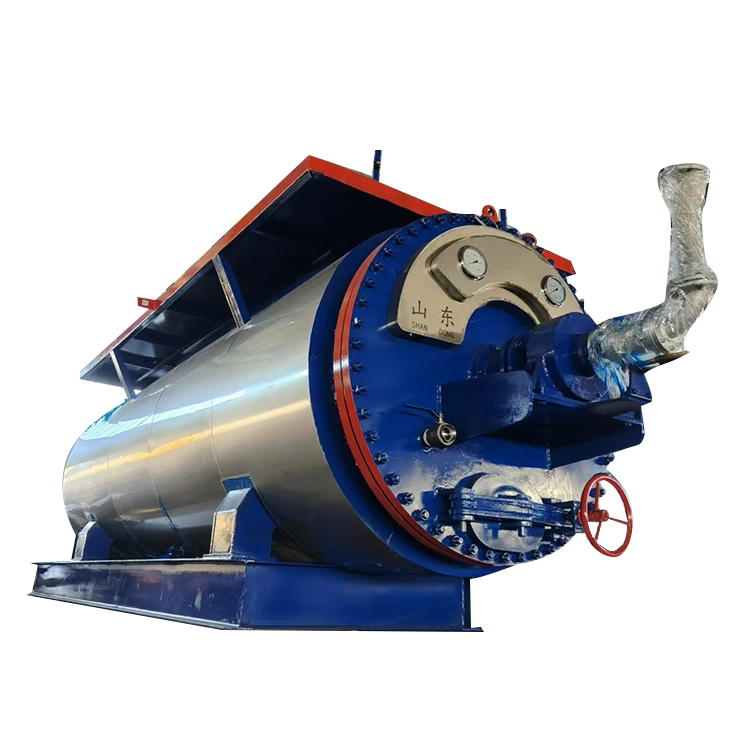
Table of Contents
- Industry Background and Practical Demand
- What Is Harmless Treatment Equipment?
- Core Customer Pain Points in Waste Treatment
- System Structure and Functional Modules
- Typical Application Scenarios
- Operational Workflow Overview
- Key Technical Parameters and Considerations
- Benefits for Compliance and Risk Control
- How to Select Suitable Harmless Treatment Equipment
- Frequently Asked Questions
- Conclusion and Next Steps
Industry Background and Practical Demand
Industrialization, urban expansion, and population growth have significantly increased the volume and complexity of waste streams. Solid waste, hazardous residues, sludge, and contaminated by-products pose long-term risks if not handled properly. Traditional disposal methods often result in secondary pollution, high operating costs, or regulatory non-compliance.
Against this backdrop, Harmless Treatment Equipment has become an essential infrastructure component. It is designed to transform waste into stable, non-hazardous forms through controlled physical, chemical, or thermal processes. This approach aligns with modern environmental management requirements and supports safer downstream disposal or resource recovery.
What Is Harmless Treatment Equipment?
Harmless Treatment Equipment refers to integrated systems used to neutralize, decompose, or stabilize waste materials so that they no longer pose environmental or health risks. These systems are commonly applied in environmental protection projects, industrial facilities, and public service sectors.
Depending on the waste type and treatment objectives, such equipment may incorporate sterilization, dehydration, thermal treatment, chemical neutralization, or solidification processes. The ultimate goal is to ensure that treated outputs meet regulatory thresholds for emissions, toxicity, and disposal safety.
Core Customer Pain Points in Waste Treatment
Organizations seeking waste treatment solutions often encounter recurring challenges that directly affect safety, cost control, and operational continuity.
- Unstable treatment results leading to compliance uncertainty
- Secondary pollution caused by incomplete processing
- High labor and maintenance requirements
- Limited adaptability to different waste compositions
- Difficulty integrating treatment systems into existing facilities
Harmless Treatment Equipment is developed to address these pain points through standardized processes, automation, and modular design concepts.
System Structure and Functional Modules
A typical Harmless Treatment Equipment system consists of multiple coordinated modules, each responsible for a specific function within the overall process.
| Module | Primary Function |
|---|---|
| Feeding and Conveying Unit | Ensures controlled and continuous material input |
| Treatment Chamber | Executes thermal, chemical, or physical processing |
| Emission Control System | Manages exhaust gas, odor, and particulate discharge |
| Residue Handling Unit | Collects and stabilizes treated output materials |
| Control and Monitoring System | Provides real-time operation data and safety interlocks |
Typical Application Scenarios
Harmless Treatment Equipment is widely deployed across multiple sectors due to its adaptability and reliability.
- Industrial waste treatment in manufacturing plants
- Municipal solid waste and sludge management
- Medical and laboratory waste processing
- Environmental remediation projects
- Emergency waste treatment facilities
In each scenario, the equipment configuration can be adjusted to match waste characteristics and operational requirements.
Operational Workflow Overview
The operation of Harmless Treatment Equipment follows a structured workflow to ensure consistency and safety.
- Waste is collected and pre-processed for uniform feeding
- Materials enter the treatment chamber under controlled conditions
- Targeted treatment processes neutralize harmful components
- Emissions are filtered and treated before release
- Final residues are stabilized for compliant disposal or reuse
This systematic approach reduces manual intervention and enhances overall operational reliability.
Key Technical Parameters and Considerations
When evaluating Harmless Treatment Equipment, several technical parameters should be carefully reviewed.
- Processing capacity and throughput range
- Applicable waste categories and composition tolerance
- Energy consumption and efficiency indicators
- Automation level and monitoring capabilities
- Maintenance accessibility and component lifespan
Clear understanding of these parameters supports informed procurement decisions and long-term performance stability.
Benefits for Compliance and Risk Control
Implementing Harmless Treatment Equipment offers measurable benefits beyond basic waste disposal.
By standardizing treatment processes and incorporating monitoring systems, organizations can reduce compliance risk, improve operational transparency, and demonstrate responsible environmental stewardship. Stable treatment outcomes also minimize the likelihood of fines, shutdowns, or reputational damage associated with improper waste handling.
How to Select Suitable Harmless Treatment Equipment
Selecting the appropriate system requires a structured evaluation process rather than a one-size-fits-all approach.
- Assess waste type, volume, and variability
- Define treatment objectives and output requirements
- Review site conditions and integration constraints
- Evaluate supplier experience and project references
- Consider long-term operating and support factors
Manufacturers such as Shandong Chengming focus on system customization and engineering support to ensure alignment with real-world operational needs.
Frequently Asked Questions
What types of waste can Harmless Treatment Equipment handle?
It can process a wide range of solid, semi-solid, and hazardous waste, depending on system configuration and treatment technology.
Is secondary pollution a concern during operation?
Properly designed systems include emission control and residue stabilization modules to minimize secondary environmental impact.
Can the equipment be integrated into existing facilities?
Yes, modular designs allow for flexible installation and integration with current waste management infrastructure.
What factors affect long-term operating stability?
Material quality, automation level, maintenance practices, and operator training all influence sustained performance.
Conclusion and Next Steps
Harmless Treatment Equipment has become a foundational solution for addressing complex waste management challenges in a responsible and systematic manner. By focusing on controlled processing, emission management, and operational reliability, these systems support safer environments and more resilient operations.
Shandong Chengming continues to develop and supply Harmless Treatment Equipment tailored to diverse application needs, emphasizing engineering rigor and practical usability. Organizations seeking to improve waste treatment outcomes and operational confidence are encouraged to explore suitable solutions and contact us to discuss project-specific requirements and implementation strategies.