

How Does Reverse Osmosis Equipment Solve Your Water Quality Problems?
2026-02-11
Summary
Water quality challenges impact households, businesses, and industrial operations worldwide. Reverse osmosis (RO) equipment offers a scientifically proven solution for removing contaminants, improving taste, and ensuring reliable supply of clean water. This article explores the fundamental principles, key benefits, common pain points solved by RO systems, selection criteria, maintenance strategies, and real-world use cases. By the end, you will understand how reverse osmosis equipment can address your specific water quality concerns.
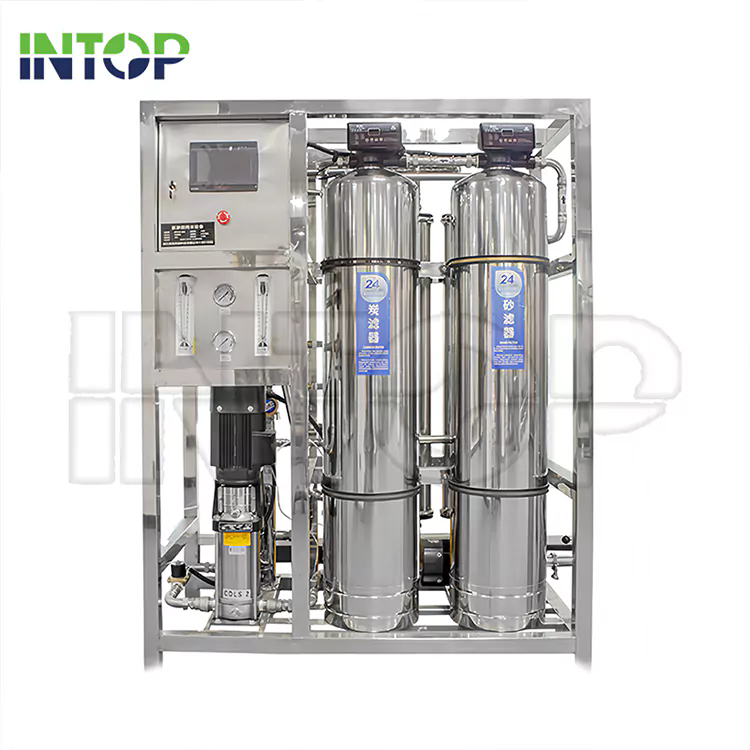
Table of Contents
- Understanding Reverse Osmosis
- Common Water Quality Problems
- How RO Equipment Solves These Problems
- Selecting the Right RO Equipment
- Maintenance & Best Practices
- Frequently Asked Questions
Understanding Reverse Osmosis
Reverse osmosis is a filtration process that removes dissolved solids, organic impurities, and harmful substances from water by forcing it through a semipermeable membrane. Originally developed for desalination, RO technology now underpins water purification in homes, laboratories, commercial kitchens, and industrial facilities.
Common Water Quality Problems
Water sources can present a variety of challenges, including:
- Hardness: High levels of calcium and magnesium causing scaling and soap inefficiency.
- Turbidity: Cloudy water due to suspended particles.
- Microbial contamination: Bacteria, viruses, and pathogens posing health risks.
- Chemical pollutants: Pesticides, heavy metals, and industrial residues.
- Unpleasant taste or odor: Often due to chlorine or sulfur compounds.
How RO Equipment Solves These Problems
Reverse osmosis equipment tackles core water quality issues through layered filtration and membrane technology:
| Issue | RO Solution | Outcome |
|---|---|---|
| High dissolved solids | RO membrane rejects TDS (total dissolved solids) | Cleaner, safer water with reduced scaling potential |
| Microbial contamination | Membrane blocks bacteria/viruses; optional UV sterilization | Water safe for drinking and sensitive applications |
| Unpleasant taste/odor | Activated carbon pre/post-filters | Improved taste and smell |
| Chlorine or chemicals | Carbon filters + RO membrane | Reduction of chlorine and organic chemicals |
Core Benefits of Reverse Osmosis Systems
- Consistent Quality: Produces predictable and repeatable output quality measured by low TDS levels.
- Energy Efficiency: Modern RO systems optimize pressure usage for efficient purification.
- Scalability: Systems range from compact domestic units to large industrial arrays.
- Improved Safety: Combined filtration stages remove a wide spectrum of contaminants.
Selecting the Right RO Equipment
Choosing appropriate reverse osmosis equipment requires careful evaluation of your water source, usage volume, and quality targets. Use this checklist when assessing options:
- Feed Water Quality: Conduct a detailed water test report showing TDS, hardness, and specific contaminants.
- System Capacity: Estimate daily water demand (gallons per day).
- Membrane Type: Choose membrane material (e.g., TFC vs. CTA) based on chlorine tolerance and recovery rate.
- Pre/Post Filtration: Decide on sediment and carbon filter stages to protect membranes and improve taste.
- Automation & Controls: Evaluate automatic flushing, pressure gauges, and alarm systems for operational reliability.
- Certifications: Check compliance with relevant water industry standards.
Comparison of Typical RO System Types
| System Type | Best For | Notes |
|---|---|---|
| Under-Sink RO | Residential drinking water | Compact, easy to install |
| Whole-House RO | Full property purification | High capacity, larger footprint |
| Industrial RO | Process water treatment | Customizable design for high flow rates |
Maintenance & Best Practices
Maintaining reverse osmosis equipment prolongs membrane life and ensures continuous performance. Key maintenance actions include:
- Regular Filter Replacement: Sediment and carbon filters should be replaced according to usage—typically every 3–6 months.
- Membrane Inspection: Monitor differential pressure and permeate quality to detect membrane fouling early.
- Sanitization: Periodic sanitization of the system prevents biofilm buildup.
- Leak Checks: Routinely inspect fittings, seals, and housings.
Proper maintenance not only preserves water quality but also minimizes operational downtime and cost. Create a documented maintenance schedule tailored to your system’s operational hours and water quality fluctuations.
Frequently Asked Questions
What contaminants does reverse osmosis remove?
Reverse osmosis is effective at removing total dissolved solids (TDS), heavy metals (like lead, arsenic), salts, fluoride, nitrates, and many organic compounds. It also reduces cysts and turbidity when combined with pre-filtration.
How long do RO membranes typically last?
The service life of an RO membrane depends on feed water quality and maintenance practices. Under optimal conditions, membranes can last 2–5 years, but high sediment or poor pretreatment may shorten lifespan.
Can RO systems waste water?
Some reverse osmosis systems produce wastewater as part of the separation process. High-efficiency designs minimize waste ratios—modern systems achieve as low as 1:1 (waste: product) in ideal conditions. Selection of appropriate pumps and membrane types can reduce waste.
Is reverse osmosis safe for drinking water?
Yes. Reverse osmosis produces high-purity water that exceeds many drinking water standards when the system is properly installed and maintained. Post-treatment remineralization may be added if desired for taste.
Conclusion
Reverse osmosis equipment provides a comprehensive solution to water quality challenges faced by residential, commercial, and industrial users. By understanding the principles, benefits, selection criteria, and maintenance practices, you can design or choose an RO system that meets your performance expectations and operational needs. Whether tackling high dissolved solids, microbial contamination, or unpleasant odors, RO technology delivers reliable, high-quality water purification.
For tailored solutions, detailed specifications, and expert consultation, visit our product page and contact us at INTOP to find the ideal reverse osmosis equipment for your application and ensure long-term water quality success.