

How Often Should You Perform A Voltage Withstand Test On Electrical Equipment
2026-01-15
Ensuring the safety and reliability of electrical installations is non-negotiable. A cornerstone of this preventive strategy is the Voltage Withstand Test, a critical procedure that verifies the integrity of electrical insulation. For facility managers, maintenance engineers, and safety officers, a pressing question remains: how frequently should this vital test be conducted? While there's no universal calendar date, the schedule is dictated by a combination of industry standards, equipment usage, and environmental factors. At Weshine, we specialize in providing the expertise and high-precision testing equipment to help you establish a compliant and effective safety testing regimen.
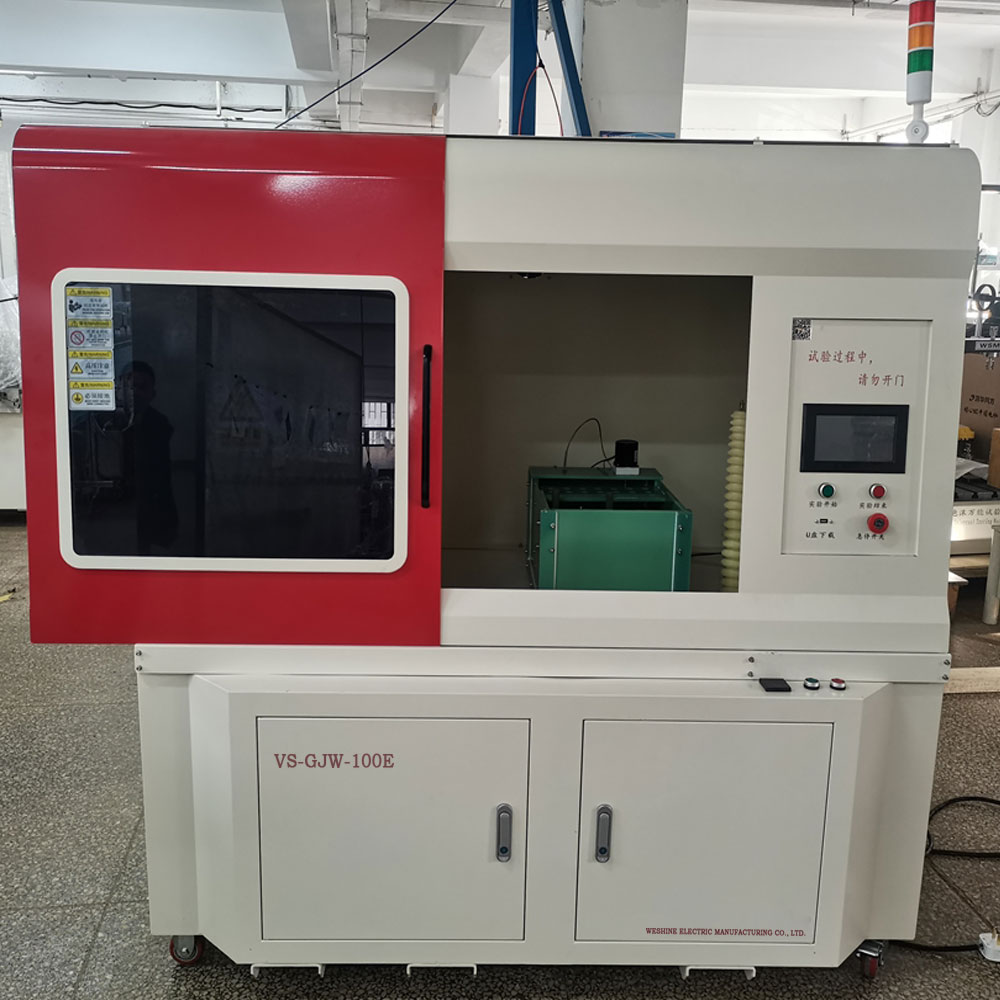
Determining the optimal frequency for a Voltage Withstand Test involves assessing several key criteria:
-
Manufacturer Recommendations: Always consult the OEM's guidelines as the primary source.
-
Industry Standards: Adherence to standards like IEEE, IEC, and NFPA is mandatory.
-
Equipment Criticality: Life-support or production-critical systems require more frequent checks.
-
Operational Environment: Harsh conditions (moisture, dust, chemicals) accelerate insulation degradation.
-
Historical Performance: Equipment with a history of faults needs closer monitoring.
The following table outlines general testing intervals based on common equipment types and scenarios:
| Equipment / Scenario | Recommended Frequency | Key Rationale |
|---|---|---|
| New Equipment (Post-Installation) | Before first commissioning | Ensures no damage occurred during installation or transport. |
| Routine Maintenance (General Industrial) | Annually to Bi-Annually | Baseline for most equipment under normal operating conditions. |
| Portable Tools & Cords | Every 3 to 6 Months | High risk of physical damage and flexing. |
| After Major Repair or Overhaul | Immediately after service | Validates the quality of the repair and reassembly. |
| Harsh Environments | Every 6 Months | Combats accelerated aging from moisture, temperature, or contaminants. |
Voltage Withstand Test FAQ
What happens if my equipment fails the test?
A failure indicates a breakdown or significant weakness in the insulation. The equipment must be immediately removed from service, investigated, and repaired by a qualified professional. Retesting is required before it can be re-energized.
Can I perform a Voltage Withstand Test on live equipment?
Absolutely not. The test applies a high voltage to de-energized equipment. Performing it on live circuits is extremely dangerous and can damage both the tester and the equipment. Always follow strict lockout-tagout (LOTO) procedures.
Is there a difference between a factory test and a field maintenance test?
Yes. Factory tests often use 100% of the standard test voltage. Field maintenance tests, intended for ongoing verification, typically apply a lower voltage (often 80% or as per standard) to minimize stress on aged insulation while still ensuring safety margins.
Establishing a proactive testing schedule is a direct investment in operational safety and uptime. Relying on guesswork can lead to catastrophic failures. The team at Weshine is dedicated to empowering your safety culture. We provide not only state-of-the-art Voltage Withstand Test equipment but also comprehensive training and support to ensure your testing program is effective and standards-compliant.
Contact us today to schedule a consultation. Let our experts at Weshine help you develop a tailored electrical safety testing plan that protects your people, your assets, and your productivity.