

How Rubber Timing Belts Improve Efficiency and Reduce Maintenance Costs
2026-04-02
Abstract
Rubber timing belts play a critical role in modern mechanical systems, offering precise synchronization, reduced noise, and lower maintenance compared to traditional chain or gear systems. This article explores how rubber timing belts function, their advantages, common pain points customers face, and how to select the right belt for optimal performance. Whether used in automotive engines, industrial machinery, or automation systems, understanding rubber timing belts can significantly improve operational efficiency and reduce downtime.
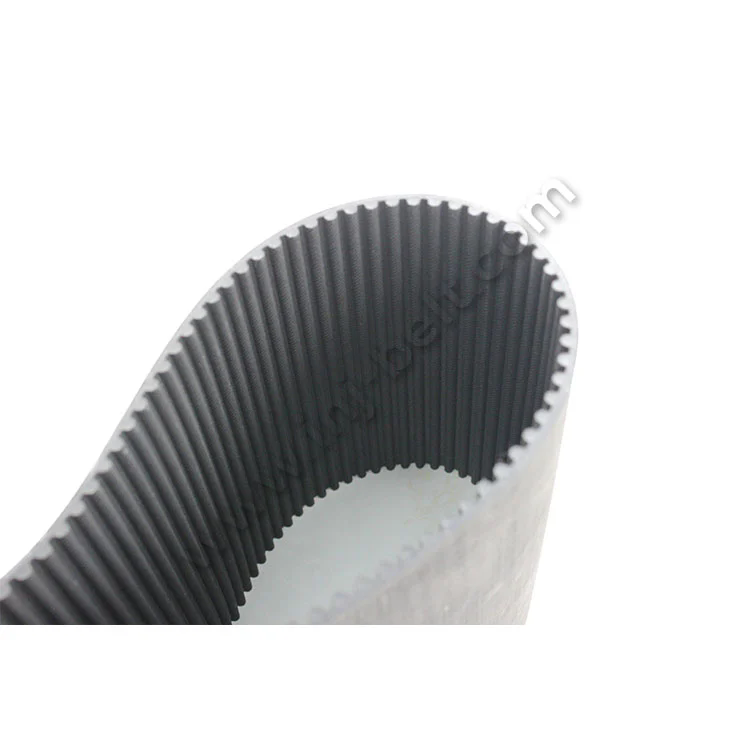
Table of Contents
- 1. Overview of Rubber Timing Belts
- 2. How Rubber Timing Belts Work
- 3. Key Benefits for Users
- 4. Common Customer Pain Points
- 5. Practical Solutions to Common Issues
- 6. How to Choose the Right Belt
- 7. Rubber Timing Belts vs Alternatives
- 8. Typical Applications
- 9. FAQ
1. Overview of Rubber Timing Belts
Rubber timing belts are flexible mechanical components designed to transmit power between rotating shafts with high precision. Unlike traditional V-belts, timing belts feature molded teeth that mesh with corresponding grooves on pulleys, ensuring synchronized motion without slippage.
Manufactured from durable rubber compounds reinforced with materials such as fiberglass or steel cords, these belts are widely used in industries that demand accuracy, consistency, and reliability.
2. How Rubber Timing Belts Work
The core function of rubber timing belts lies in their toothed design. Each tooth fits into a pulley groove, creating a positive drive system. This eliminates the risk of slipping, which is common in friction-based systems.
- Power is transferred through the belt teeth engagement
- Reinforcement cords maintain belt stability and prevent stretching
- Rubber material absorbs vibration and reduces noise
This synchronized movement is especially important in applications such as engine camshaft timing, where even minor deviations can lead to performance issues or equipment failure.
3. Key Benefits for Users
| Benefit | Description |
|---|---|
| High Precision | Ensures exact synchronization between components |
| Low Noise | Rubber material reduces operational noise significantly |
| Maintenance-Free | No lubrication required, reducing upkeep costs |
| Energy Efficient | Minimal power loss due to non-slip operation |
| Long Service Life | High resistance to wear, heat, and fatigue |
For businesses aiming to optimize performance while reducing operational expenses, rubber timing belts offer a compelling solution.
4. Common Customer Pain Points
Despite their advantages, users often encounter several challenges when using rubber timing belts:
- Premature wear or cracking
- Incorrect belt tension leading to failure
- Noise due to misalignment
- Difficulty in selecting the right specification
- Unexpected downtime due to belt breakage
These issues typically arise from improper installation, poor material selection, or lack of maintenance awareness.
5. Practical Solutions to Common Issues
Addressing these problems requires a combination of proper product selection and operational best practices:
- Correct Installation: Ensure proper alignment and tension during setup
- Regular Inspection: Check for signs of wear, cracks, or tooth damage
- Environmental Control: Avoid exposure to extreme heat, oil, or chemicals
- Use Quality Products: Choose reliable manufacturers such as Zhejiang INJ Transmission Systems Co., Ltd.
Implementing these strategies can significantly extend the lifespan of your timing belts and minimize unexpected failures.
6. How to Choose the Right Belt
Selecting the appropriate rubber timing belt involves evaluating several critical factors:
- Load Requirements: Determine torque and power transmission needs
- Speed: Consider operating RPM and belt speed
- Environment: Assess exposure to heat, dust, or chemicals
- Pulley Compatibility: Ensure correct tooth profile and pitch
- Material Type: Choose rubber compounds suited for your application
Working with experienced suppliers like Zhejiang INJ Transmission Systems Co., Ltd. can simplify this process and ensure optimal performance.
7. Rubber Timing Belts vs Alternatives
| Feature | Rubber Timing Belts | Chains | Gear Drives |
|---|---|---|---|
| Noise Level | Low | High | Moderate |
| Maintenance | Minimal | High | Moderate |
| Efficiency | High | Moderate | High |
| Cost | Affordable | Higher over time | Expensive |
Rubber timing belts stand out as a balanced solution offering high efficiency with lower operational costs.
8. Typical Applications
- Automotive engines
- Industrial automation systems
- Textile machinery
- Packaging equipment
- Agricultural machines
Their versatility makes them indispensable across multiple industries where precision and reliability are essential.
9. FAQ
Q1: How long do rubber timing belts last?
The lifespan varies depending on usage and environment, but typically ranges from 50,000 to 100,000 hours in industrial applications.
Q2: What causes timing belt failure?
Common causes include improper tension, misalignment, contamination, and aging of the rubber material.
Q3: Are rubber timing belts better than chains?
In many cases, yes. They offer quieter operation, require less maintenance, and provide efficient power transmission.
Q4: Can timing belts operate in high temperatures?
Yes, but it depends on the material. Specialized rubber compounds are designed to withstand elevated temperatures.
Q5: How do I know which belt to choose?
Consulting with professional manufacturers such as Zhejiang INJ Transmission Systems Co., Ltd. ensures you select the correct specifications for your system.
Conclusion
Rubber timing belts are a cornerstone of efficient mechanical power transmission. By understanding how they work and addressing common challenges, users can achieve greater reliability, reduced maintenance costs, and improved operational performance.
If you are looking for high-quality rubber timing belts tailored to your specific needs, Zhejiang INJ Transmission Systems Co., Ltd. provides dependable solutions backed by industry expertise. Contact us today to get expert guidance and find the perfect timing belt for your application.