

Is an Embossing Machine the Missing Link Between Ordinary Products and Premium Market Appeal?
2026-01-19
When I first started helping manufacturers rethink surface finishing, I didn’t expect a single piece of equipment to change so much. Over time, while working closely with NEW STAR and its engineering team, I realized how often an Embossing Machine quietly determines whether a product feels generic or genuinely high-end. What follows is not a sales pitch, but a practical look at how this technology solves real production problems and why so many factories eventually decide they cannot do without it.
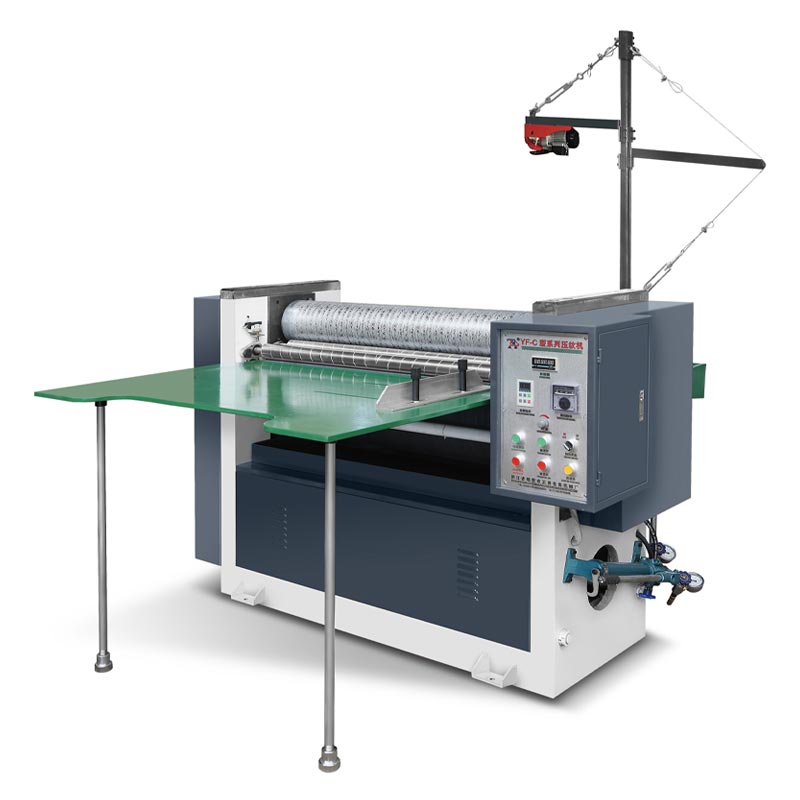
Why Does an Embossing Machine Matter So Much in Modern Manufacturing?
I often hear the same concern from buyers and production managers: “Our product quality is fine, so why does the market still see us as average?” The answer is usually tactile and visual. An Embossing Machine adds depth, texture, and identity to materials that would otherwise remain flat and forgettable.
- It enhances surface texture without changing core material properties
- It improves perceived value without relying on coatings or chemicals
- It allows brands to stand out through touch as well as appearance
From packaging films to paper, leather substitutes, and specialty sheets, the Embossing Machine gives manufacturers a controllable way to differentiate in crowded markets.
How Does an Embossing Machine Improve Consistency and Efficiency on the Line?
One pain point I see repeatedly is inconsistency. Manual or semi-manual texturing methods lead to uneven patterns and high rejection rates. A modern Embossing Machine solves this by integrating precision rollers, stable pressure control, and synchronized feeding systems.
| Production Challenge | How the Embossing Machine Addresses It |
|---|---|
| Uneven surface patterns | Digitally controlled pressure and roller alignment |
| Material waste | Stable embossing depth reduces scrap rates |
| Slow changeovers | Quick roller replacement for different textures |
By reducing rework and downtime, the Embossing Machine becomes less of an added cost and more of a productivity tool.
What Makes One Embossing Machine More Reliable Than Another?
Not all machines are built with long-term operation in mind. Through hands-on evaluations, I’ve learned that reliability comes down to a few non-negotiable factors.
- Rigid frame construction that resists vibration
- Precision-machined embossing rollers
- Temperature and pressure stability during continuous runs
- User-friendly controls that reduce operator error
This is where manufacturers like NEW STAR quietly stand out. Instead of focusing only on output speed, their Embossing Machine designs prioritize balance between durability, accuracy, and ease of use.
Can an Embossing Machine Adapt to Different Materials and Market Needs?
Flexibility is another concern buyers raise. Markets shift, materials evolve, and equipment that works for only one application quickly becomes a limitation. A well-designed Embossing Machine is not locked into a single product type.
| Material Type | Embossing Benefit |
|---|---|
| Paper and cardboard | Improved grip, branding, and visual depth |
| Plastic films | Anti-slip texture and premium feel |
| Synthetic leather | Natural grain simulation |
This adaptability allows companies to respond faster to customer requests instead of outsourcing or investing in multiple specialized machines.
Is Investing in an Embossing Machine a Strategic Decision or Just an Upgrade?
From my perspective, it is rarely “just” an upgrade. An Embossing Machine directly influences how end users perceive quality, how brands justify pricing, and how smoothly production runs day after day.
When manufacturers align reliable equipment with thoughtful surface design, the return shows up not only in efficiency metrics but also in customer feedback and repeat orders.
Are You Ready to Explore What an Embossing Machine Can Do for Your Products?
If you are evaluating ways to enhance product value, reduce waste, and strengthen your market position, it may be time to look deeper into the right Embossing Machine for your operation. I strongly recommend discussing your materials, output goals, and customization needs directly with experienced engineers.
To learn more or request tailored recommendations, contact us today and share your project details. A focused conversation now can save months of trial and error later.