

What Are the Common Applications for Unpowered Roller Conveyor Equipment
2026-03-12
When optimizing material handling workflows, businesses often turn to Unpowered Roller Conveyor systems for their simplicity and cost-effectiveness. Unlike motorized alternatives, this equipment relies on gravity or manual force to move goods, making it an energy-efficient choice for various industries. FORTRAN has established itself as a reliable provider in this sector, offering durable solutions that streamline operations. Understanding the common applications for Unpowered Roller Conveyor equipment helps logistics managers and facility planners make informed decisions that enhance productivity while reducing operational costs.
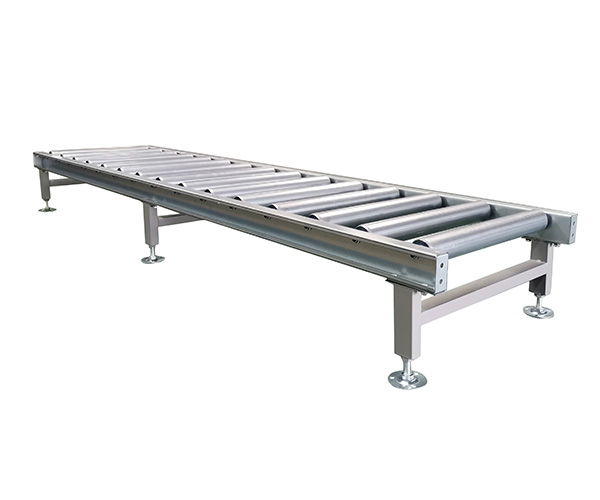
Primary Applications Across Industries
Unpowered Roller Conveyor Line installations are versatile and appear in numerous settings. Below is a breakdown of the most frequent uses:
| Industry Sector | Common Application | Primary Benefit |
|---|---|---|
| Warehousing | Loading and unloading trucks | Flexible positioning |
| Manufacturing | Assembly line feed sections | Zero energy consumption |
| Distribution | Sorting and accumulation zones | Reduced product damage |
| Retail | Backroom stock handling | Simple maintenance |
| Packaging | Taping and sealing stations | Ergonomic work height |
Detailed Application Analysis
Warehouse and Distribution Centers
In modern logistics, the Unpowered Roller Conveyor Line serves as the backbone for many temporary storage and transfer points. These sections connect powered systems or provide low-cost accumulation areas where staff can manually direct parcels without stopping upstream equipment. FORTRAN systems excel here due to their robust frame construction and smooth-rolling rollers.
Manufacturing Floor Integration
Production environments utilize Unpowered Roller Conveyor equipment for work-in-progress movement. Between workstations, these conveyors allow operators to push assemblies forward at their own pace. This flexibility proves essential in lean manufacturing setups where batch sizes vary.
Shipping and Receiving Departments
Adjustable Unpowered Roller Conveyor sections from FORTRAN frequently appear on loading docks. Extendable models reach into truck trailers, allowing workers to slide packages directly from the dock to the stack. This application significantly reduces lifting strain.
Technical Advantages in Common Applications
The widespread adoption stems from practical benefits:
-
Zero operating cost for continuous use
-
Instant installation without electrical connections
-
Quiet operation improving workplace conditions
-
Low maintenance requirements
-
Easy reconfiguration as floor plans change
Unpowered Roller Conveyor Line FAQ
Q: Can an Unpowered Roller Conveyor Line handle heavy industrial loads?
A: Yes, absolutely. FORTRAN manufactures Unpowered Roller Conveyor systems with varying load capacities based on roller gauge and frame construction. Heavy-duty models feature thicker wall tubing and reinforced frames supporting up to 2,000 pounds per section. The key is matching roller spacing to product dimensions to prevent sagging between rollers. For pallet handling, specific models with larger diameter rollers and closer spacing distribute weight effectively.
Q: How do you control speed on a gravity-fed Unpowered Roller Conveyor Line?
A: Speed control on an Unpowered Roller Conveyor relies on several methods. First, adjusting the incline angle provides the most basic regulation—shallower slopes reduce acceleration. For more precision, operators install speed retarders or brake rollers that create controlled resistance. FORTRAN offers flow control rollers with internal silicone coatings that maintain consistent velocity regardless of load weight. Additionally, using sections with different roller materials (steel versus poly) affects friction levels and subsequent speed.
Q: What is the typical lifespan of an Unpowered Roller Conveyor installation?
A: With proper maintenance, an Unpowered Roller Conveyor Line from FORTRAN typically operates effectively for 10 to 15 years or longer. Lifespan depends on operating conditions, load weights, and usage frequency. The primary wear components are the roller bearings, which may require replacement after several million revolutions. The steel frames often outlast the facility itself. Regular inspection of roller spin and frame alignment ensures maximum longevity. Many original FORTRAN installations from two decades ago remain fully functional today with only minor component replacements.
Optimizing Your Application
When planning an Unpowered Roller Conveyor installation, consider these factors:
-
Product weight and dimensions
-
Desired flow direction
-
Interface with existing equipment
-
Operator ergonomics
-
Floor space constraints
FORTRAN provides consultation services to help clients select the right configuration for their specific applications, ensuring that each Unpowered Roller Conveyor Line delivers maximum return on investment.
Contact FORTRAN Today
Ready to improve your material handling efficiency with reliable Unpowered Roller Conveyor equipment? Contact FORTRAN now to discuss your specific application requirements. Our technical team will help you select the ideal Unpowered Roller Conveyor Line configuration for your facility. Visit our website or call us today to request a quote and start optimizing your workflow.