

What Are the Latest Innovations in Rewinding Machine Design and Automation
2026-03-20
The manufacturing landscape is witnessing a seismic shift as Rewinding Machine technology evolves at an unprecedented pace. At GRM, we continuously monitor these developments to ensure our clients benefit from cutting-edge solutions. Today’s Rewinding Machine systems are no longer simple winding units; they have transformed into intelligent, data-driven production assets. From artificial intelligence to predictive maintenance, the latest innovations are redefining efficiency, precision, and sustainability in the converting industry. This article explores the most significant advancements currently shaping the design and automation of modern Rewinding Machine equipment.
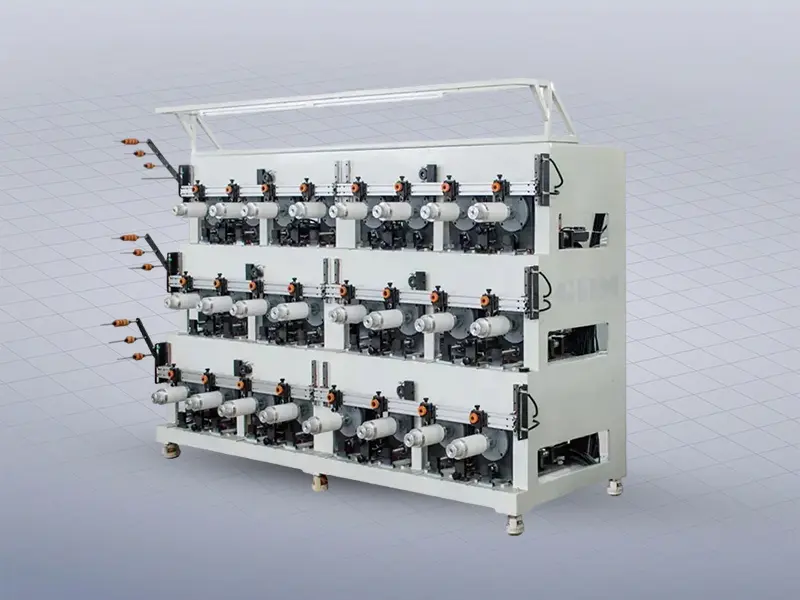
Key Technological Advancements in Rewinding Machinery
The modern Rewinding Machine integrates several groundbreaking technologies. Below is a breakdown of the primary areas of innovation and their impact on production.
1. Automation and Control Systems
Automation is the cornerstone of the latest Rewinding Machine models. Manufacturers like GRM are implementing advanced Programmable Logic Controllers (PLCs) and Human-Machine Interfaces (HMIs) that offer intuitive operation and real-time data acquisition. These systems allow for fully automatic splice, transfer, and cut cycles, drastically reducing operator intervention and human error.
2. Precision Drive and Tension Control
Innovations in servo motor technology have revolutionized tension control. The latest Rewinding Machine designs feature independent servo-driven shafts that maintain precise, consistent tension from the core to the final roll. This is critical for handling delicate or stretchable materials, ensuring perfect roll formation every time.
3. Industry 4.0 and IoT Integration
Connectivity is a major trend. A modern Rewinding Machine is often equipped with sensors that collect data on every aspect of the process. This data can be analyzed to optimize production schedules, predict maintenance needs, and integrate seamlessly with a facility’s existing Manufacturing Execution System (MES), creating a truly smart factory environment.
4. Material Handling and Waste Reduction
Sustainability is driving innovation in material handling. New Rewinding Machine models feature enhanced web guiding systems and automatic inspection tools that detect defects in real-time. By identifying flaws early, the machine can make split-second decisions to mark or remove faulty material, significantly reducing waste and improving overall product quality.
Comparison of Traditional vs. Modern Rewinding Machine Features
To better illustrate the leap in technology, the following table compares key characteristics of traditional equipment against the latest innovations found in a GRM Rewinding Machine.
| Feature | Traditional Rewinding Machine | Modern Automated Rewinding Machine |
|---|---|---|
| Control System | Manual levers and basic analog controls. | Touchscreen HMI with remote monitoring and diagnostics. |
| Tension Control | Mechanical friction brakes and clutches. | Fully automatic closed-loop servo-driven tension control. |
| Speed & Efficiency | Fixed speeds with frequent stops for manual transfers. | Variable high speeds with automatic turret transfers for non-stop production. |
| Data Integration | Isolated operation with no data collection. | Industry 4.0 ready with real-time production analytics and predictive maintenance alerts. |
| Setup & Changeover | Time-consuming manual adjustments. | Recipe-driven automatic positioning for rapid changeovers. |
The Impact of Innovation on Operational Efficiency
These innovations translate directly into tangible benefits for manufacturers. By investing in an advanced Rewinding Machine, companies can expect:
-
Increased Throughput: Higher operating speeds and automatic splicing minimize downtime, maximizing output.
-
Superior Quality: Precision tension control and real-time inspection ensure consistent, high-quality rolls.
-
Reduced Labor Costs: Automation reduces the need for constant operator attendance, allowing staff to focus on higher-value tasks.
-
Lower Material Waste: Intelligent defect detection and optimized winding profiles conserve raw materials.
GRM is at the forefront of these developments, designing equipment that not only meets the current demands of the market but also anticipates future challenges. Our focus on modular design and software-driven functionality means that your Rewinding Machine can evolve alongside your business.
Frequently Asked Questions (FAQ)
What is the most important innovation in rewinding machine design in the last five years?
The most transformative innovation has been the widespread adoption of Industry 4.0 connectivity combined with servo-driven technology. This integration allows for unprecedented precision in tension control and real-time data collection. Unlike older machines that operated in isolation, modern Rewinding Machine systems can now communicate with central production systems, predict their own maintenance needs, and automatically adjust parameters to ensure zero-defect production, dramatically increasing overall equipment effectiveness.
How does automation on a rewinding machine reduce material waste?
Automation reduces waste through several advanced mechanisms. First, modern Rewinding Machine systems use high-resolution sensors and cameras to inspect the web in real-time. When a defect is detected, the control system can automatically mark the location or initiate a corrective action before a significant amount of material is wasted. Second, automated tension control ensures perfect winding from the start, preventing telescoping or telescoping defects that often lead to scrapped rolls. Finally, automatic splice and transfer features eliminate the need to stop and restart the line, which is a common source of waste in older machines.
Can a modern rewinding machine handle a wider variety of materials than older models?
Yes, absolutely. The latest Rewinding Machine designs are built with versatility in mind, primarily due to advancements in drive systems and software. Older models were often limited to a specific type of material. Today, a single Rewinding Machine from GRM can be equipped with features like programmable air shafts, adjustable lay-on rollers, and sophisticated tension profiles that can be saved as recipes. This allows operators to switch seamlessly between processing thin films, laminates, paper, and non-wovens without mechanical changeovers, simply by loading a different job recipe into the HMI.
Conclusion and Call to Action
The evolution of the Rewinding Machine is a testament to the power of innovation in manufacturing. From smart automation to sustainable practices, these advancements are essential for companies looking to maintain a competitive edge. As technology continues to advance, partnering with a forward-thinking manufacturer is more critical than ever.
Are you ready to bring your converting line into the future? Contact us today to speak with an engineer about how a GRM Rewinding Machine can transform your production capabilities and deliver a rapid return on your investment.