

What Features Should You Look for in an Auxiliary Material Automatic Dosing Station
2026-03-09
Selecting the right Auxiliary Material Automatic Dosing Station is critical for manufacturers aiming to optimize production lines. With precision and reliability at stake, understanding the core features of this equipment ensures long-term operational success. At FANCHANG, we specialize in engineering solutions that meet these exacting standards. Below is a professional breakdown of the essential features to consider when evaluating an Auxiliary Material Automatic Dosing Station.
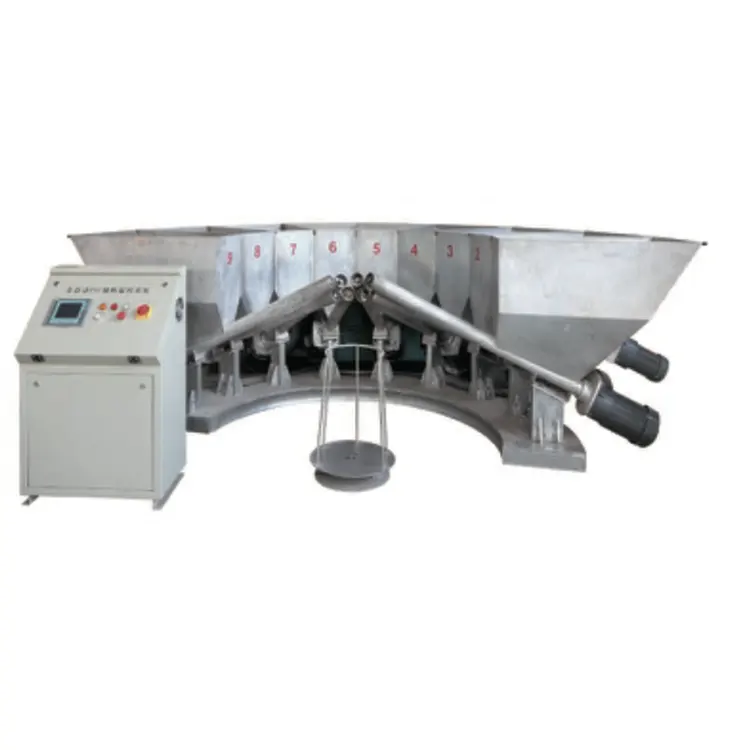
Core Technical Specifications
To guarantee consistent performance, an Auxiliary Material Automatic Dosing Station must integrate advanced hardware and smart software. The table below outlines the primary technical aspects to evaluate:
| Feature Category | Critical Requirements | Why It Matters |
|---|---|---|
| Dosing Accuracy | Tolerance of ±0.1% to ±0.5% | Ensures product consistency and reduces raw material waste. |
| Material Compatibility | Corrosion-resistant construction (Stainless Steel 304/316) | Prevents contamination and extends equipment lifespan. |
| Control System | PLC with HMI touchscreen interface | Allows for real-time adjustments and data logging. |
| Throughput Capacity | Scalable from 5 kg/h to 5000 kg/h | Matches current production volume with room for expansion. |
| Dust Control | Integrated vacuum or closed-loop system | Maintains workplace safety and compliance with hygiene standards. |
Operational Efficiency and Integration
A modern Auxiliary Material Automatic Dosing Station should seamlessly integrate into your existing production ecosystem. Look for modular designs that support:
-
Multi-formula Management: The ability to store and recall hundreds of recipes.
-
Batch Tracking: Full traceability of material usage per production cycle.
-
Connectivity: Support for industrial protocols like OPC UA or Modbus for IIoT integration.
Safety and Maintenance Considerations
Operator safety and ease of maintenance are non-negotiable. A robust Auxiliary Material Automatic Dosing Station from FANCHANG incorporates:
-
Emergency Stop Protocols: Strategically placed E-stops and interlocks.
-
Self-Cleaning Mechanisms: Reduces downtime between material changeovers.
-
Predictive Maintenance Alerts: Sensors that notify staff of wear and tear before failures occur.
Frequently Asked Questions
Here are three common inquiries regarding the Auxiliary Material Automatic Dosing Station to further guide your decision-making process.
FAQ 1: How does an Auxiliary Material Automatic Dosing Station handle different types of materials, such as powders versus granules?
A high-quality Auxiliary Material Automatic Dosing Station utilizes differentiated feeding mechanisms to accommodate various material properties. For fine powders, the station typically employs precision screw feeders or vibratory trays combined with anti-bridging devices to prevent clogging and ensure a consistent flow. For granules or pellets, the system may use rotary valves or gravity-fed drop gates. The control software adjusts the dosing speed and algorithm based on the material's bulk density and flow characteristics, which are pre-programmed into the recipe. This versatility ensures accurate dosing regardless of the material state.
FAQ 2: What level of integration capability does an Auxiliary Material Automatic Dosing Station offer with existing legacy factory systems?
Modern Auxiliary Material Automatic Dosing Stations are designed with backward compatibility in mind. They typically feature a range of communication interfaces, including digital I/O, analog signals (4-20mA), and serial communication protocols like RS485/Modbus. For more advanced integration, stations equipped with OPC UA servers can connect directly to Manufacturing Execution Systems (MES) or Enterprise Resource Planning (ERP) software. This allows for bidirectional data flow, where the Auxiliary Material Automatic Dosing Station receives production orders and reports actual consumption and batch status back to the central system without requiring a complete factory floor overhaul.
FAQ 3: What are the primary maintenance requirements to ensure the longevity of an Auxiliary Material Automatic Dosing Station?
The maintenance routine for an Auxiliary Material Automatic Dosing Station focuses on cleanliness and calibration. Daily checks should include inspecting the load cells for material buildup, as this can affect accuracy. Weekly maintenance involves verifying the integrity of seals and gaskets, particularly in areas handling abrasive materials. A critical monthly task is the gravimetric calibration check, where a known weight is used to verify the scale's accuracy; adjustments are made through the PLC if deviations are detected. Stations with automatic lubrication systems for bearings and drive chains require monitoring of lubricant levels. Following these steps prevents unexpected downtime and maintains dosing precision.
Conclusion
Investing in the right Auxiliary Material Automatic Dosing Station transforms your material handling from a cost center into a competitive advantage. From high accuracy and seamless integration to robust safety features, every component must work in harmony.
Ready to optimize your production line with reliable automation? Contact us today to discuss your specific material handling requirements with the experts at FANCHANG.