

What Materials Can an Automatic Chamfering Machine Handle
2026-09-18
Metal fabrication and woodworking shops constantly look for ways to improve edge finishing quality and speed. Understanding the material capabilities of an Automatic Chamfering Machine is the first step toward investing wisely. FangRong has spent years engineering equipment that handles a remarkably wide range of substrates, and this guide breaks down exactly what these machines can process.
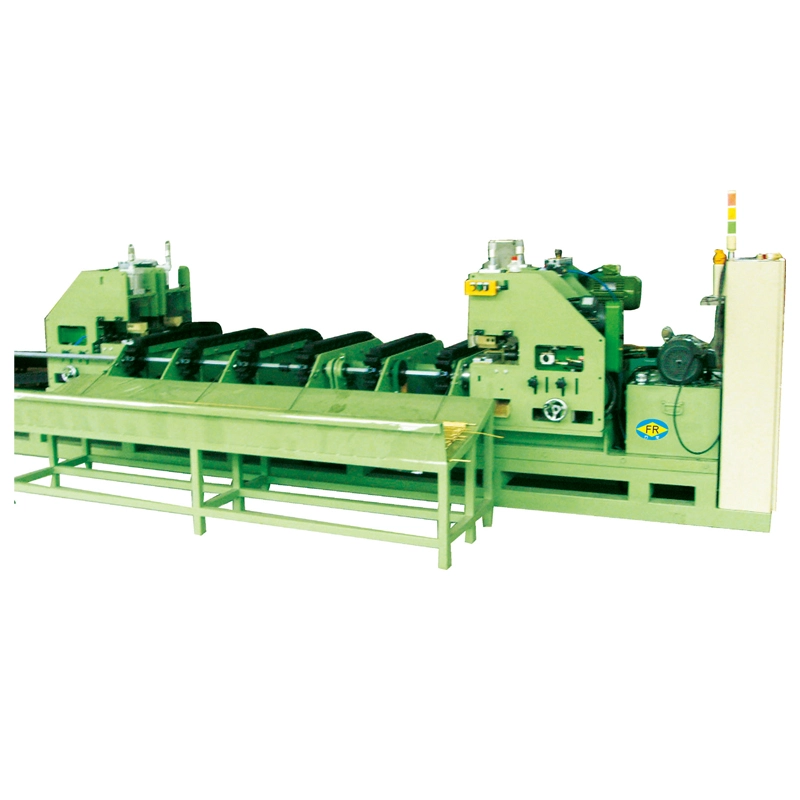
Why Material Compatibility Matters
The cutting force, spindle speed, and feed rate of an Automatic Chamfering Machine must match the workpiece. Soft materials require higher speeds and lighter cuts, while hardened alloys demand slower feeds and rigid tooling. Choosing the wrong setup leads to burnt edges, chipped tools, and inconsistent chamfers. FangRong designs every model with adjustable parameters so operators can dial in the ideal settings for each material.
Materials an Automatic Chamfering Machine Can Handle
| Material Category | Typical Examples | Chamfering Notes |
|---|---|---|
| Carbon Steel | Q235, A36, 45# steel | Standard carbide inserts work well; deburring is fast |
| Stainless Steel | 304, 316, 201 | Requires sharp tooling and coolant to prevent work hardening |
| Aluminum Alloys | 6061, 7075, 5052 | High spindle speed, low feed; excellent finish achievable |
| Copper & Brass | H62, T2, C360 | Soft and gummy; positive rake angles recommended |
| Titanium Alloys | TC4, Grade 5 | Slow speeds, rigid clamping, plenty of coolant |
| Plastics | Acrylic, PVC, POM, ABS | Sharp tools, moderate speed; avoid heat buildup |
| Wood & MDF | Oak, pine, plywood, MDF | Dust extraction essential; diamond or carbide cutters |
| Glass & Ceramics | Tempered glass, alumina | Specialized diamond wheels required |
FangRong offers interchangeable tool heads and variable frequency drives that let one Automatic Chamfering Machine serve multiple material families without sacrificing edge quality.
Key Factors That Affect Material Handling
-
Tool Material: Carbide for metals, diamond for glass and ceramics, high-speed steel for wood.
-
Spindle Speed: Soft materials tolerate higher RPM; hard alloys need lower RPM and higher torque.
-
Feed Rate: Too fast causes chatter; too slow causes heat and burrs.
-
Cooling System: Mist or flood coolant protects stainless steel and titanium from work hardening.
-
Clamping Force: Thin plates and plastics need gentle clamping to prevent deformation.
Automatic Chamfering Machine FAQ
Can an Automatic Chamfering Machine process both metal and plastic?
Yes, with the right tooling and adjusted parameters, a single Automatic Chamfering Machine can switch between metal and plastic, though dedicated tool heads are recommended for best results.
Does an Automatic Chamfering Machine work on hardened steel above HRC 45?
It can, but only with carbide or ceramic inserts, reduced spindle speed, and rigid fixturing; otherwise tool wear accelerates dramatically.
What is the maximum thickness an Automatic Chamfering Machine can chamfer?
Most FangRong models handle plates from 0.5 mm up to 100 mm, depending on model configuration and material hardness.
Can an Automatic Chamfering Machine chamfer curved or cylindrical parts?
Yes, with rotary fixtures or CNC-controlled axes, curved and cylindrical workpieces can be chamfered accurately.
Is coolant always required when using an Automatic Chamfering Machine?
Not for wood, plastics, or aluminum, but stainless steel, titanium, and hardened alloys generally require coolant to prevent overheating.
Why Choose FangRong
FangRong builds Automatic Chamfering Machine solutions with modular tooling, precision servo control, and material-specific presets. Every unit undergoes rigorous testing on steel, aluminum, and plastic before shipment, ensuring reliable performance across diverse production environments.
Contact Us
Ready to match the right Automatic Chamfering Machine to your material list? Contact FangRong today for a free consultation, material sample testing, and a tailored quotation. Our engineers will recommend the ideal configuration for your workshop.