

What Safety Precautions Are Essential When Operating a Flat Pipe Bender in a Workshop
2026-04-13
Operating a Flat Pipe Bender in a professional workshop requires strict adherence to safety protocols. Feihong, a trusted name in metal fabrication equipment, emphasizes that proper precautions not only protect operators but also extend machine life and bending accuracy. This guide outlines essential safety measures, common questions, and best practices for using a Flat Pipe Bender efficiently.
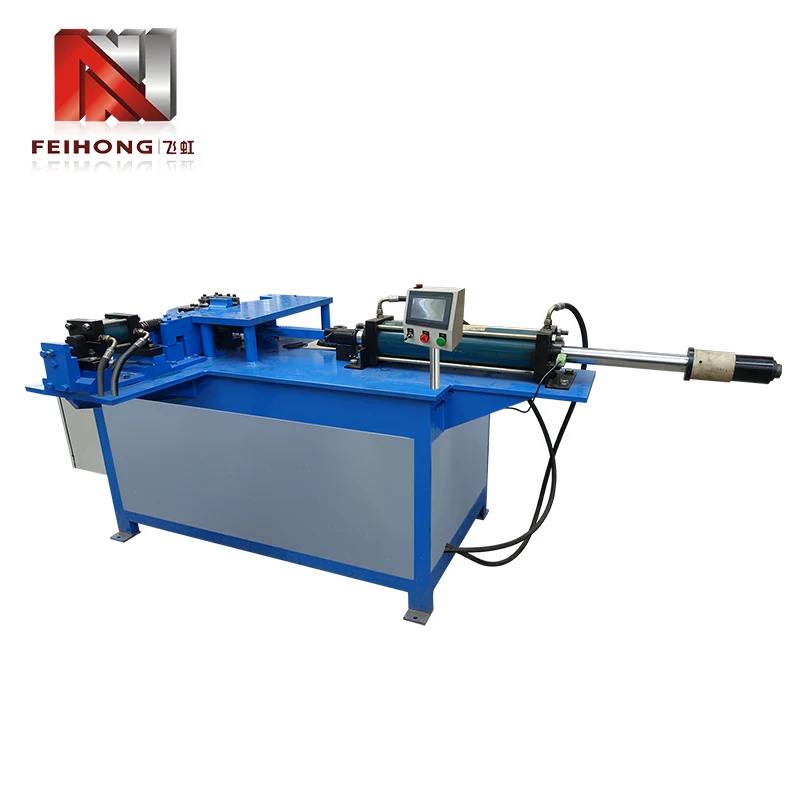
Key Safety Precautions for a Flat Pipe Bender
| Safety Area | Required Action | Reason |
|---|---|---|
| Personal Protection | Wear safety goggles, gloves, and steel-toe boots | Prevent injury from flying debris or pipe slippage |
| Machine Inspection | Check hydraulic fluid, dies, and fasteners before each use | Avoid unexpected mechanical failure |
| Workpiece Securing | Clamp pipe firmly and center it in the bending groove | Ensure even bends and reduce kickback risk |
| Speed Control | Use slow, steady bending speed | Prevent pipe buckling or die damage |
| Emergency Stop | Locate and test the emergency stop button daily | Enable immediate shutdown during malfunctions |
| Training | Only trained personnel may operate the Flat Pipe Bender | Reduce human error and maintain Feihong quality standards |
Flat Pipe Bender FAQ – Common Questions
Q1: Can a Flat Pipe Bender be used on stainless steel pipes without causing surface damage?
A1: Yes, but only if the Flat Pipe Bender is equipped with polished or coated dies. Feihong offers interchangeable nylon or polyurethane die inserts specifically designed for stainless steel, copper, and aluminum. These inserts prevent scratching, galling, or deformation. Always test a sample piece first, and ensure the pipe is clean and free of burrs. For high-gloss finishes, reduce bending speed and use a lubricant recommended for stainless steel.
Q2: What should I do if the Flat Pipe Bender starts making unusual grinding noises during operation?
A2: Stop the machine immediately using the emergency stop button. Disconnect power and inspect the hydraulic cylinder, guide rails, and die alignment. Common causes include debris trapped between dies, loose fasteners, or low hydraulic fluid levels. After clearing any obstruction and tightening all bolts, run a dry cycle without pipe material. If the noise persists, contact Feihong technical support for professional diagnosis. Never continue operation without identifying the source of the noise.
Q3: How often should safety inspections be performed on a Flat Pipe Bender in a high-volume workshop?
A3: A daily visual check before first use is mandatory. Every 40 operating hours, perform a detailed inspection including hydraulic hoses, electrical connections, and die wear. Monthly, test the emergency stop system and measure bending repeatability. Feihong recommends keeping a logbook for each Flat Pipe Bender to track inspections, repairs, and die replacements. For workshops running two shifts or more, increase inspection frequency to weekly deep checks.
Additional Safety Rules for Workshop Use
-
Never exceed the Flat Pipe Bender rated capacity (see Feihong model label).
-
Keep hands at least 4 inches away from the bending zone during operation.
-
Use only original Feihong dies and spare parts to maintain safety certifications.
-
Clean oil spills immediately to prevent slips.
-
Post emergency contact and shutdown procedures near the machine.
Contact Us
Implementing these safety measures ensures your Flat Pipe Bender delivers reliable, accurate bends for years. Feihong provides free safety audits, training materials, and 24/7 technical support for all workshop equipment. Contact us today to schedule a professional safety inspection or request a customized Flat Pipe Bender safety checklist tailored to your production line.