

What Safety Precautions Should You Follow When Operating an Automatic Tapping Machine
2026-01-23
Operating an Automatic Tapping Machine significantly boosts productivity and ensures consistent thread quality. However, like all industrial machinery, its safe use is paramount to prevent accidents and ensure a long equipment lifespan. At Desheng, with decades of experience in precision engineering, we prioritize not only the performance of our machines but also the well-being of the operators who use them. Adhering to strict safety protocols is non-negotiable. This guide outlines essential precautions to integrate into your daily workflow.
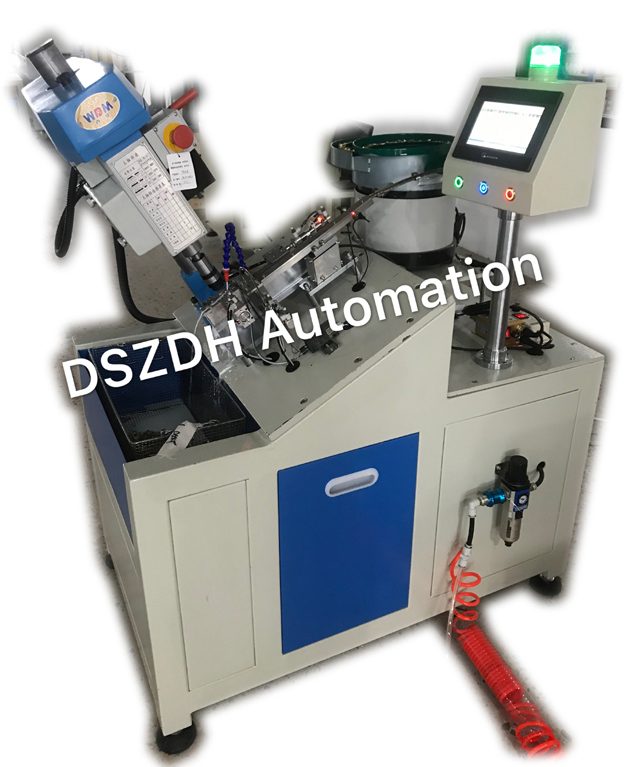
Essential Safety Precautions Checklist
Before and during the operation of your Automatic Tapping Machine, follow this core list:
-
Read the Manual: Thoroughly review the Desheng operation manual specific to your model.
-
Wear Proper PPE: Always use safety glasses, gloves, and hearing protection. Avoid loose clothing or jewelry.
-
Inspect Before Use: Check for damaged tools, loose components, or fluid leaks.
-
Secure the Workpiece: Ensure the material is clamped firmly in the vice or fixture to prevent movement.
-
Verify Settings: Double-check the machine's speed, feed rate, and depth settings for the specific material and tap size.
-
Keep the Area Clean: Maintain a tidy workspace free of oil, chips, and obstructions.
-
Never Leave Unattended: Do not leave the machine running without supervision.
-
Lock Out/Tag Out: Follow LOTO procedures during maintenance or when clearing jams.
To help you understand the technical aspects that contribute to safe operation, here is a reference table for key parameters:
| Operational Parameter | Why It Matters for Safety | Desheng Machine Feature |
|---|---|---|
| Correct Tap Alignment | Prevents tap breakage, which can cause flying metal shards. | Precision spindle design ensures perfect alignment. |
| Optimal Cutting Speed | Running too fast can overheat and shatter the tap. | Digital control allows for precise, material-specific speed settings. |
| Adequate Lubrication | Reduces friction, prevents chip welding, and minimizes breakage risk. | Integrated coolant systems ensure consistent lubrication. |
Automatic Tapping Machine FAQ
What is the most common cause of tap breakage in an Automatic Tapping Machine?
The most common cause is misalignment between the tap and the pre-drilled hole, often due to a worn or improperly secured workpiece or a misaligned spindle. Using a dull tap or incorrect speed/feed settings for the material are also frequent contributors.
How often should I perform maintenance on my Automatic Tapping Machine?
Daily maintenance includes cleaning chips and checking lubrication levels. Weekly, inspect for loose fittings and wear on the tap holder. A comprehensive service, as outlined in the Desheng manual, should be performed every 500 operating hours or semi-annually, whichever comes first.
Can an Automatic Tapping Machine be used for all materials?
While versatile, the machine settings must be precisely adjusted for each material. Soft materials like aluminum require different speeds, feeds, and lubricants compared to hard steel. Desheng machines provide the programmable flexibility to handle a wide range, but always consult technical data sheets for specific parameters.
Safety is the foundation of efficient and profitable workshop operations. Investing in a well-designed Automatic Tapping Machine from a reputable manufacturer like Desheng provides built-in safety features and reliability. By following these guidelines and leveraging the robust engineering of your equipment, you create a safer, more productive environment.
Do you have specific questions about implementing these safety measures or need technical data for your application? Contact us today. Our experts at Desheng are ready to help you optimize your tapping process safely and efficiently.