

Why Does a Roller Die Cutter Matter More Than Most Buyers Expect?
2026-04-09
When I speak with converters, packaging producers, label makers, and print finishing workshops, I notice the same pattern again and again. Many teams do not struggle because they lack orders. They struggle because their cutting process creates hidden delays, unstable output, material waste, and quality complaints that slowly eat away at profit. That is exactly why I believe choosing the right Roller Die Cutter deserves far more attention than it often gets. As I explored practical solutions in this field, Adewo Automation Equipment Co.,ltd. naturally came into the conversation because the company focuses on die making equipment and related production applications, which makes this topic especially relevant for buyers who want dependable, production-oriented results.
For manufacturers who care about cleaner cutting, more stable performance, and a smoother workflow from setup to finished output, a well-matched Roller Die Cutter can become more than a machine purchase. It can become a practical way to reduce rework, improve consistency, and make production planning easier. In this article, I want to walk through the real buying concerns behind this equipment, explain what actually matters during evaluation, and show how the right machine choice can solve everyday production pain points instead of simply adding another asset to the workshop floor.
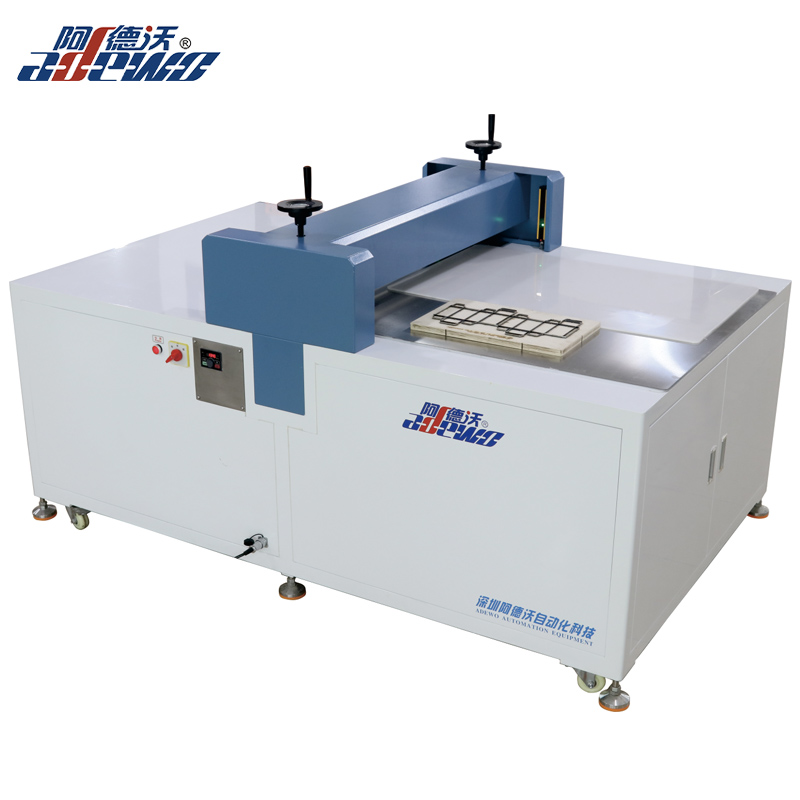
What Problems Am I Really Solving When I Invest in a Roller Die Cutter?
I think this is the first question every serious buyer should ask. A machine is not valuable just because it looks modern or comes with an attractive quotation. It becomes valuable when it removes specific pressure points from production.
In real operations, those pressure points usually include the following:
- Inconsistent cutting quality across long runs
- Slow output that limits delivery capacity
- Excessive operator dependence during setup and adjustment
- Material waste caused by unstable cutting performance
- Noise and vibration that affect workshop comfort and perceived machine stability
- Higher maintenance interruptions than expected
- Difficulty handling jobs that require repeatable precision
When I look at these problems together, I do not see them as isolated technical issues. I see them as business risks. Every wasted sheet, every rejected batch, every hour lost to adjustment, and every late shipment has a direct effect on cost, customer trust, and future orders. That is why a Roller Die Cutter should be evaluated as a productivity tool, a quality control tool, and a profit protection tool all at once.
How Can Better Cutting Precision Change Daily Production Results?
Precision sounds like a standard selling point, but in practice it affects far more than edge quality alone. When cutting performance stays stable, operators spend less time making constant corrections. Supervisors spend less time checking for recurring defects. Customers receive products that look cleaner and fit downstream processes more smoothly.
I often encourage buyers to think about precision in terms of chain reaction:
- More accurate cutting supports better part consistency
- Better consistency reduces inspection pressure
- Lower inspection pressure speeds up delivery preparation
- Fewer rejected pieces reduce material waste
- More reliable output improves customer confidence
That is the practical value of a well-built Roller Die Cutter. It is not just about whether the machine can cut. It is about whether it can keep cutting the same way from the first unit to the last unit in a demanding production run.
Which Features Should I Pay Attention to Before Comparing Prices?
Price matters, of course. But I never recommend starting with price alone. A lower initial quotation can become expensive very quickly if the machine creates waste, requires frequent service, or fails to maintain stable output.
Before comparing offers, I would focus on the features that directly affect production value:
| Feature | Why It Matters | What I Would Check |
|---|---|---|
| Cutting Precision | Supports cleaner output and lower defect rates | Repeatability over long production runs |
| Operating Speed | Improves throughput and delivery capacity | Actual stable speed, not only theoretical speed |
| Cutting Smoothness | Helps reduce rough edges and inconsistent finishing | Sample quality on target materials |
| Noise Level | Affects workshop comfort and machine perception | Noise performance during real operation |
| Structural Stability | Supports long-term consistency and lower vibration | Frame rigidity and running stability |
| Ease of Adjustment | Reduces setup time and operator frustration | How quickly settings can be changed between jobs |
| After-Sales Support | Protects uptime and long-term value | Technical response, spare parts, and service communication |
When buyers ignore these points, they often end up comparing quotations that are not truly comparable. A machine with a slightly higher purchase price may save significantly more money if it produces steadier output and reduces downtime.
Why Do So Many Buyers Underestimate Throughput?
Throughput is often misunderstood as a simple speed number. I prefer to think of it differently. True throughput is the amount of acceptable output a machine can produce in real working conditions. That includes operator setup time, adjustment frequency, stoppages, and the percentage of finished products that actually pass inspection.
A fast machine that generates rework is not truly fast. A machine that looks efficient on paper but requires repeated operator intervention is not delivering full productivity. This is where a strong Roller Die Cutter can make a difference. If cutting remains smooth and stable while maintaining precision, production becomes more predictable. And when production becomes predictable, planning becomes easier for the entire business.
I have seen many buyers change their view once they start measuring performance this way. They stop asking only, “How fast can it run?” and begin asking, “How much usable output can it deliver with confidence?” That is the smarter question.
What Makes Material Waste So Expensive Over Time?
Waste rarely looks dramatic in a single shift. That is why some factories tolerate it longer than they should. But over weeks and months, small inefficiencies build into a very real cost burden.
Material waste linked to poor cutting performance usually comes from:
- Misalignment during repeated runs
- Unclean cuts that make finished parts unusable
- Inconsistent pressure or movement that damages material edges
- Trial-and-error setup that consumes sellable stock
- Frequent restarts after operator correction
If I were advising a buyer with tight margins, I would say this clearly: the cost of poor cutting quality does not stop at scrap. It also shows up in labor inefficiency, delayed shipment, lower confidence in production scheduling, and unnecessary customer friction. A dependable Roller Die Cutter helps control those losses by supporting cleaner, repeatable output from the start.
Can Lower Noise and Smoother Operation Really Matter in an Industrial Setting?
Yes, and I think this point deserves more respect than it usually gets. Noise is not only a comfort issue. It can also be a signal. Excessive noise often makes operators feel that the machine is working harshly, even when it is technically still functioning. Smoother operation creates a different impression. It helps the machine feel more controlled, more stable, and more suitable for continuous work.
In day-to-day production, smoother running can support:
- Better operator confidence
- Lower perceived mechanical stress
- Easier communication on the workshop floor
- A more professional equipment image for visiting clients
That is one reason buyers often appreciate a Roller Die Cutter that combines speed with smoother cutting and lower operational noise. It improves more than one part of the user experience.
How Do I Know Whether a Machine Fits My Production Instead of Just Looking Good Online?
This is where buyers need discipline. Online product pages are useful for first impressions, but they cannot replace application-focused evaluation. I always suggest connecting the machine to your real production conditions before making a final decision.
Here are the questions I would ask before I buy:
- What materials will I cut most often?
- What thickness range matters for my regular orders?
- How important is repeatability over long runs?
- How much downtime can my production schedule realistically tolerate?
- Do I need easier operation because skilled labor is limited?
- How quickly can the supplier respond if I need support?
- Can the machine support my growth instead of only my current workload?
These questions prevent a common mistake: buying based on brochure appeal instead of workflow compatibility. The best Roller Die Cutter is not simply the one with the most attractive pitch. It is the one that helps your production team work with fewer interruptions, lower waste, and more confidence.
Why Does Supplier Capability Matter Almost as Much as the Machine Itself?
I do not separate the machine from the supplier behind it. In industrial purchasing, the equipment may be the visible product, but service capability is often what determines long-term satisfaction.
When I evaluate a supplier, I look for signs that they understand the application, not just the sales process. A serious supplier should be able to discuss production scenarios, technical concerns, operating logic, and support expectations in a clear and practical way.
That is why many buyers pay attention not only to the machine model itself, but also to whether the manufacturer has experience in die making equipment and supporting production users over time. A supplier such as Adewo Automation Equipment Co.,ltd. enters the conversation naturally in this context because buyers are not just searching for a product name. They are searching for a partner that understands how equipment performance connects to daily production outcomes.
What Benefits Can I Expect If I Choose the Right Roller Die Cutter?
If the machine is well matched to the job, the benefits show up in practical ways rather than vague promises. I would expect value in areas like these:
| Business Area | Expected Improvement | Why It Matters |
|---|---|---|
| Production Efficiency | Faster stable output | Helps complete more orders on schedule |
| Quality Consistency | Cleaner and more uniform cutting results | Reduces complaints and rework |
| Material Utilization | Lower scrap and setup waste | Protects margins on every batch |
| Operator Experience | Smoother operation and easier control | Supports more stable daily workflow |
| Maintenance Planning | Fewer disruptive interruptions when machine quality is strong | Improves production reliability |
| Customer Confidence | More dependable delivery and product finish | Strengthens repeat business potential |
These are the outcomes that matter to decision-makers. They are also the reasons the right equipment can continue creating value long after the purchase order is signed.
Is a Roller Die Cutter Only About Cutting or Is It Also About Competitive Advantage?
I would argue it is very much about competitive advantage. In many markets, buyers can no longer rely on price alone. Customers expect reliable lead times, consistent finished quality, and responsive service. That means internal production capability becomes part of the sales story.
If your cutting process is unstable, your commercial team will feel it. They may quote cautiously, promise longer lead times, or hesitate on larger opportunities. But when your equipment performs consistently, your business can respond with more confidence. That is how production investment influences market positioning.
A strong Roller Die Cutter supports that shift by helping manufacturers move from reactive production to controlled production. And controlled production is far easier to scale.
How Should I Make the Final Buying Decision Without Regretting It Later?
My advice is simple. Make the final decision by balancing machine performance, application fit, supplier support, and long-term operating value. Do not let the purchase become a race to the lowest quotation. That approach often creates the highest hidden cost later.
I would shortlist suppliers and compare them on these final points:
- Can the machine deliver stable precision in real work conditions?
- Does the operating speed remain useful without sacrificing quality?
- Is the cutting process smooth enough to support reliable finishing?
- Will the machine help reduce waste and operator burden?
- Can the supplier provide clear communication and dependable support?
- Does the solution fit both current jobs and future growth plans?
When those answers are strong, the buying decision becomes much easier. At that point, you are no longer choosing a machine based only on appearance or price. You are choosing a production solution that can support better output, lower risk, and stronger customer delivery performance.
Why Should I Contact the Supplier Now Instead of Waiting?
If you are currently comparing cutting equipment, struggling with uneven output, or trying to improve speed without losing quality, this is the right time to take the next step. A well-selected Roller Die Cutter can help you reduce waste, improve consistency, and build a smoother production process that supports long-term growth. If you want to discuss your materials, production goals, or machine requirements in a more practical way, contact us today and send your inquiry. The right solution starts with a clear conversation, and your next project may benefit from the right equipment choice sooner than you expect.