
Why Does Choosing the Right Engraving Machine Still Feel So Complicated?
2026-01-21
When I first started looking seriously at industrial engraving solutions, I quickly realized how easy it is to get lost in technical jargon and exaggerated promises. During this process, I came across Guangdong Bodiao Intelligent Equipment Co., Ltd. almost by accident, through real-world discussions about reliability rather than flashy marketing. That experience reshaped how I now evaluate a truly capable Engraving Machine—not by buzzwords, but by how well it solves daily production challenges.
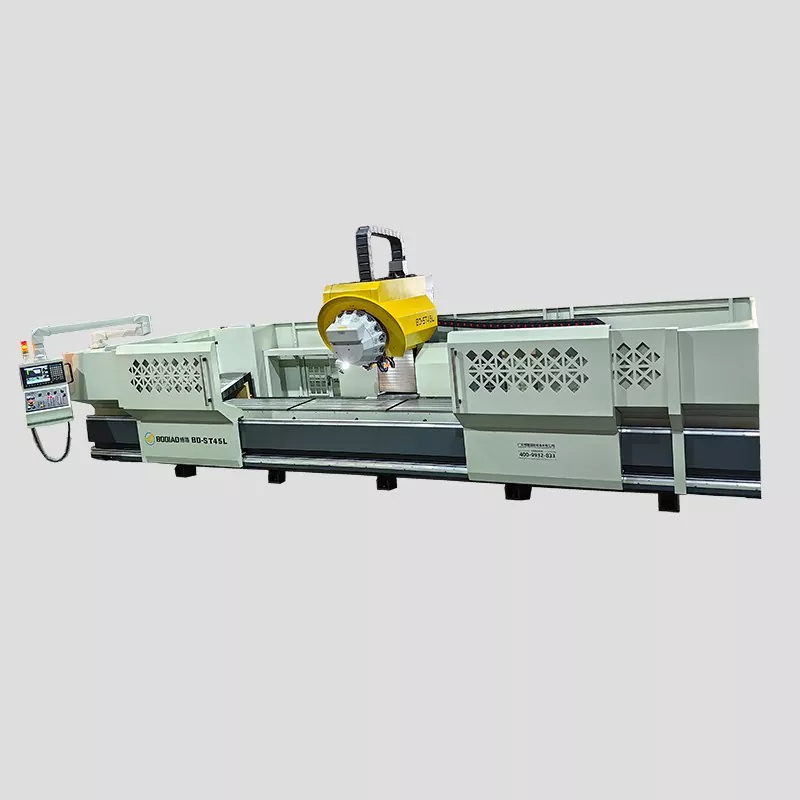
What Problems Am I Actually Trying to Solve With an Engraving Machine?
From my perspective, most buyers aren’t searching for features—they’re searching for stability, accuracy, and predictability. A well-designed Engraving Machine should reduce human error, shorten setup time, and keep output consistent even during long production runs.
- Inconsistent engraving depth across materials
- Frequent recalibration interrupting workflow
- Limited compatibility with different file formats
- Excessive vibration affecting surface finish
- High maintenance costs after short-term use
How Does Machine Structure Affect Long-Term Engraving Accuracy?
One thing I learned early is that the internal structure matters more than surface specifications. A rigid frame and balanced motion system directly influence how an Engraving Machine performs over time. Without structural stability, even high-speed engraving becomes unreliable.
| Structural Element | Why It Matters in Daily Use |
|---|---|
| Heavy-duty machine bed | Minimizes vibration and improves engraving precision |
| Linear guide system | Ensures smooth movement and consistent depth control |
| Spindle stability | Reduces tool wear and maintains clean engraving edges |
Can One Engraving Machine Really Handle Different Materials Effectively?
I used to assume that switching between wood, acrylic, aluminum, and composite panels would require multiple machines. In practice, a properly configured Engraving Machine can adapt smoothly, as long as power control and speed adjustment are well integrated.
This flexibility is critical for workshops that deal with customized orders or short production cycles. Instead of slowing down for material changes, the machine becomes a stable constant in the workflow.
Why Does Software Integration Matter More Than I Expected?
Hardware alone doesn’t carry production efficiency. I’ve seen how intuitive software transforms how an Engraving Machine fits into real manufacturing environments. Clean interfaces, reliable file compatibility, and predictable tool paths all reduce operator stress and training time.
- Direct import of common CAD and design files
- Clear parameter control without hidden settings
- Reduced setup time for repeat orders
- Lower dependency on highly specialized operators
What Makes an Engraving Machine Suitable for Continuous Production?
From my experience, durability is less about extreme specifications and more about balance. Motors, controllers, and cooling systems must work together. An Engraving Machine that performs well for an hour but overheats after a full shift quickly becomes a liability.
| Performance Factor | Impact on Production Stability |
|---|---|
| Thermal management | Prevents performance drift during long operations |
| Component compatibility | Reduces unexpected downtime and part failure |
| Maintenance accessibility | Shortens service time and lowers operational costs |
How Do I Know If an Engraving Machine Is a Long-Term Investment?
I now judge machines by how well they age. A dependable Engraving Machine should maintain accuracy, accept upgrades, and remain serviceable years after installation. This is where manufacturers with engineering depth stand out, because their designs anticipate future production demands rather than reacting to them.
Is It Time to Upgrade My Current Engraving Machine Setup?
If you’re facing frequent recalibration, inconsistent output, or limited application range, upgrading may be less about speed and more about control. Choosing a solution built around real manufacturing conditions makes the transition smoother and more cost-effective.
If you’re exploring a more stable and adaptable Engraving Machine for your operation, this is the right moment to take the next step. Contact us today to discuss your production needs, request detailed specifications, or receive a tailored recommendation. A well-matched machine doesn’t just engrave—it supports your business growth.