

Why Does the Right Hollow Column Processing Machinery Change Everything for Stone Fabricators?
2026-03-23
When I look at what keeps a stone workshop competitive today, I keep coming back to one thing: whether the equipment can deliver stable precision without slowing production down. That is exactly why Fujian Xianda Machinery Co.,Ltd. gradually comes into the conversation when buyers start comparing reliable solutions for architectural stone work. A practical investment in Hollow Column Processing Machinery is not only about shaping stone columns more efficiently, but also about reducing waste, controlling labor pressure, and achieving a finish that customers are willing to pay for.
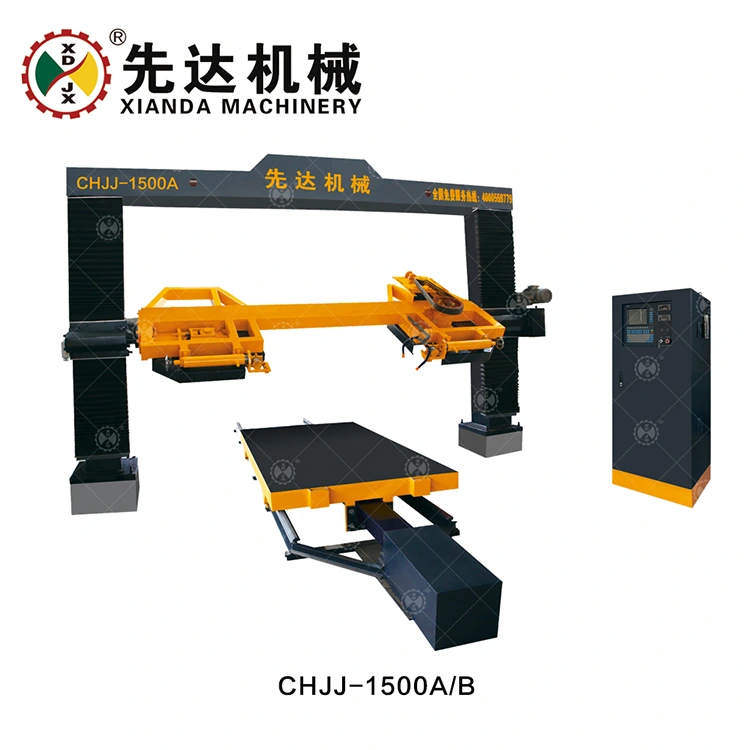
Why Do So Many Stone Factories Struggle with Hollow Column Orders?
I often see the same problem repeat itself in stone processing plants. Hollow columns look premium in finished projects, but producing them consistently is far more demanding than many buyers expect. Once the job involves cutting, trimming, slotting, profiling, and matching decorative details, even a small error can affect the visual balance of the whole column system.
Manual or semi-manual workflows usually create several pain points:
- Inconsistent dimensions from one batch to the next
- Repeated repositioning that increases alignment errors
- High labor dependence for finishing and adjustment
- Excessive stone waste caused by inaccurate cutting paths
- Slow turnaround times on custom architectural projects
- Difficulty maintaining quality when order volume rises
That is where modern Hollow Column Processing Machinery becomes valuable. I do not see it as a single-purpose purchase. I see it as a production upgrade that helps a factory move from reactive problem-solving to controlled, repeatable manufacturing.
What Makes Modern Hollow Column Processing Machinery More Valuable Than Traditional Processing?
The biggest difference is process integration. Instead of relying on multiple separate steps with constant re-checking, a better machine setup helps me keep the workpiece stable while improving processing consistency. On Xianda’s product page, the equipment category is presented for marble, granite, and engineered quartz applications, with an emphasis on combining operations and improving processing precision for architectural stone work. :contentReference[oaicite:0]{index=0}
From a production perspective, that matters because every extra reset adds risk. Every unnecessary handling step can affect concentricity, edge quality, and final appearance. With a more integrated system, I can target better workflow control in less floor time.
| Production Issue | Traditional Workflow | Optimized Machinery Workflow |
|---|---|---|
| Workpiece positioning | Repeated clamping and manual correction | More stable positioning through integrated operations |
| Dimensional consistency | Depends heavily on operator skill | Better repeatability across batches |
| Labor intensity | High manual intervention | Lower dependence on repetitive manual adjustments |
| Material utilization | More loss from error and rework | More controlled cutting and reduced avoidable waste |
| Order turnaround | Slower handoff between steps | Faster processing flow for project delivery |
How Can Better Equipment Improve Precision Without Slowing My Factory Down?
This is the question serious buyers always ask, and honestly, they should. Speed without control creates expensive rework. Precision without throughput creates delivery problems. The real goal is balance.
According to the manufacturer’s public product information, the hollow column category emphasizes completing more machining work within a more stable setup, which helps reduce misalignment from repeated disassembly and reassembly. The same source also describes solutions designed to improve output efficiency by combining multiple operations in a more continuous process.
From my point of view, this matters in three direct ways:
- I can reduce the number of interruption points in production.
- I can improve visual consistency on finished columns and related decorative pieces.
- I can take on larger or more demanding orders with less anxiety about quality drift.
That is why I see Hollow Column Processing Machinery as a profit-protection tool, not just a machine on the shop floor.
Which Product Advantages Matter Most When I Compare Suppliers?
Not every buyer needs the same setup, but I usually focus on the advantages that affect real output rather than brochure language. A capable supplier should help me think about application fit, processing sequence, and long-term operating value.
- Stable processing accuracy for decorative stone columns and related components
- Workflow efficiency that helps reduce unnecessary handling time
- Broader material adaptability for common stone categories used in architectural projects
- Lower rework risk through better consistency and process control
- Scalability for both custom jobs and growing production demand
- Practical machine design that is easier for factory teams to operate and maintain
Xianda’s hollow column product section also shows that this category is not limited to one isolated machine type. It includes related solutions such as hollow column cutting, slab edge cutting, column cap and base cutting, and Roman pillar slot cutting, which suggests a more complete processing ecosystem for column production lines.
Why Does a Complete Processing Line Matter More Than a Single Machine?
I have seen factories buy one machine, solve one bottleneck, and then discover three more. That is why I pay attention to whether a supplier understands the full production chain. If hollow columns are part of a broader architectural stone offering, then cutting alone is not enough. I also need edge trimming, slotting, shaping, and finishing compatibility.
A more complete Hollow Column Processing Machinery strategy helps me:
- Plan production more logically from raw block to finished column component
- Reduce delays caused by mismatched equipment capacity
- Standardize quality across related decorative stone products
- Make staff training easier because the workflow is more unified
- Improve quotation confidence on custom architectural projects
That shift matters when I am dealing with contractors, distributors, or project-based buyers who care about both appearance and delivery reliability.
How Does Better Processing Help Me Reduce Cost Pressure in Real Projects?
Most buyers do not just want a machine that runs. They want a machine that makes margins easier to protect. In my experience, cost pressure in hollow column production usually comes from four places: wasted material, labor intensity, rework, and delivery delays.
A stronger processing setup can help address each one:
| Cost Pressure | How Better Machinery Helps | Why It Matters Commercially |
|---|---|---|
| Stone waste | More controlled cutting and shaping | Improves material yield and quotation confidence |
| Labor cost | Reduces repetitive manual processing | Helps factories manage workforce efficiency |
| Rework losses | Supports more consistent dimensional results | Protects margins and customer trust |
| Late delivery | Improves workflow continuity | Helps secure repeat business and project reputation |
When I evaluate Hollow Column Processing Machinery, this is the lens I use. I am not buying theoretical value. I am buying operational stability that can show up in output, delivery performance, and customer satisfaction.
What Should I Ask Before Choosing a Hollow Column Equipment Supplier?
This is where smart buyers separate themselves from casual inquiries. I would not choose based only on price photos or a short feature list. I would ask practical questions that reveal whether the supplier understands actual factory conditions.
- Can the equipment match my target stone materials and finished product styles?
- Can it support both standard production and custom orders?
- How does the machine help reduce setup errors or repeated handling?
- What related machines are available if I want to expand into a fuller column line?
- How easy is daily operation, adjustment, and maintenance?
- Will the supplier help me align machine selection with my production goals?
These are the questions that lead to better buying decisions. A supplier worth considering should be able to answer them clearly and connect machine features to real production outcomes.
Why Is Hollow Column Processing Machinery a Strategic Investment Instead of Just Another Equipment Purchase?
I see the answer very clearly. Architectural stone buyers expect cleaner details, tighter consistency, and faster delivery than they did a few years ago. At the same time, factories are under pressure to control labor costs and make better use of material. That means the processing method itself becomes part of the competitive advantage.
When I invest in a better system, I am not simply upgrading hardware. I am improving the way my factory responds to market demand. I am creating a workflow that is more precise, more scalable, and more aligned with premium stone fabrication.
If I want to build a stronger production line for architectural columns, decorative components, and related stone pieces, then choosing the right Hollow Column Processing Machinery is one of the most practical decisions I can make.
Are You Ready to Upgrade Your Hollow Column Production with Confidence?
If you are comparing equipment for architectural stone processing and want a more reliable way to improve precision, efficiency, and output quality, now is the right time to act. The sooner you match the right machine solution to your production goals, the sooner you can reduce waste, shorten lead times, and take on more demanding orders with confidence. If you want to discuss your project requirements, machine options, or a suitable production plan, please contact us and send your inquiry today. A targeted equipment recommendation can help you move from production pressure to real manufacturing advantage.