

Why Is a Machining Center Becoming the Core of Modern Precision Manufacturing?
2026-01-14
When I first started working closely with CNC equipment buyers, one thing became clear very quickly: choosing the right Machining Center is no longer just about spindle speed or axis count. It’s about reliability, long-term accuracy, and whether the machine can truly support growth. That’s where BoDiao gradually entered my field of view—not as a loud brand introduction, but as a name repeatedly mentioned by users who cared about stable performance and real machining results.
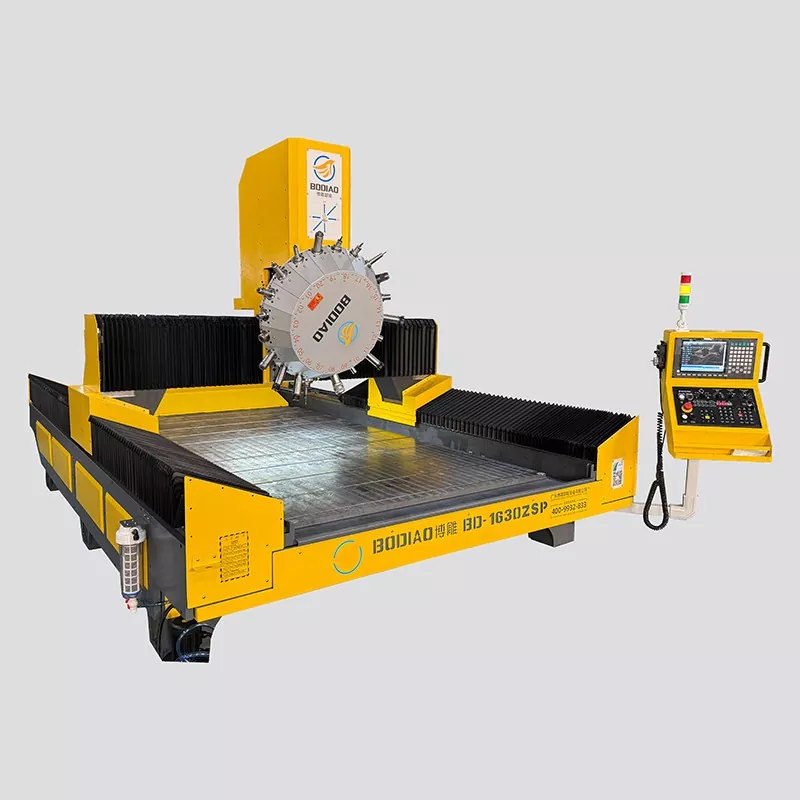
What Problems Do Buyers Usually Face When Selecting a Machining Center?
From my conversations with workshop owners and production managers, the pain points are surprisingly consistent. Many machines look impressive on paper, but daily operation tells a different story.
- Inconsistent accuracy after long production runs
- Limited flexibility when switching between materials or part sizes
- High maintenance frequency that disrupts production schedules
- Complex operation that increases training costs
- Unclear return on investment over the machine’s lifecycle
A well-designed Machining Center should reduce these risks instead of amplifying them.
How Does a Modern Machining Center Improve Machining Stability?
Stability is not just about machine weight. In my experience, it comes from how structural rigidity, thermal control, and motion systems work together. A high-quality Machining Center focuses on balanced mechanical design so accuracy does not drift as workloads increase.
| Key Design Element | Why It Matters in Daily Machining |
|---|---|
| Rigid machine bed structure | Reduces vibration and ensures consistent surface finish |
| Optimized spindle system | Maintains accuracy during continuous high-speed cutting |
| Precision linear guides | Improves repeatability across complex tool paths |
| Thermal management design | Minimizes dimensional deviation during long operations |
Why Does Flexibility Matter More Than Ever for a Machining Center?
Production today is rarely limited to a single material or part design. I often see workshops handling aluminum in the morning and steel components in the afternoon. A capable Machining Center must adapt without constant reconfiguration.
- Supports multi-material machining without performance loss
- Handles both small precision parts and larger workpieces
- Allows fast program switching for short production cycles
This level of flexibility is what turns a machine into a long-term production asset rather than a single-purpose tool.
Can a Machining Center Really Reduce Operating Costs Over Time?
One concern I hear often is upfront investment. However, when evaluating a Machining Center, I always recommend looking beyond the purchase price. Machines that prioritize durability and ease of maintenance often deliver better cost efficiency over several years.
| Cost Factor | Long-Term Impact |
|---|---|
| Component durability | Fewer replacements and reduced downtime |
| User-friendly control system | Lower training costs and fewer operational errors |
| Maintenance accessibility | Shorter service time and predictable upkeep |
| Consistent machining accuracy | Less scrap and rework across production batches |
How Do I Evaluate Whether a Machining Center Fits My Production Goals?
In my view, the right Machining Center should align with both current workloads and future plans. It’s not just about meeting today’s specifications, but about whether the machine can scale as demand increases.
- Does the machine support future automation upgrades?
- Can it maintain accuracy as production volume grows?
- Is technical support accessible and responsive?
- Does the design reflect real-world machining needs?
Answering these questions honestly often leads buyers toward machines built with long-term reliability in mind.
Is It Time to Upgrade Your Machining Center Strategy?
If you’re aiming to improve efficiency, consistency, and production confidence, rethinking your Machining Center choice can make a measurable difference. From what I’ve observed, manufacturers who invest in stable, flexible systems are better positioned to handle market changes without constant equipment replacement.
If you’re exploring options or want to discuss how a Machining Center can better support your machining goals, now is the right moment to take action. Contact us today, share your application requirements, and let’s start a practical conversation that leads to smarter machining decisions.